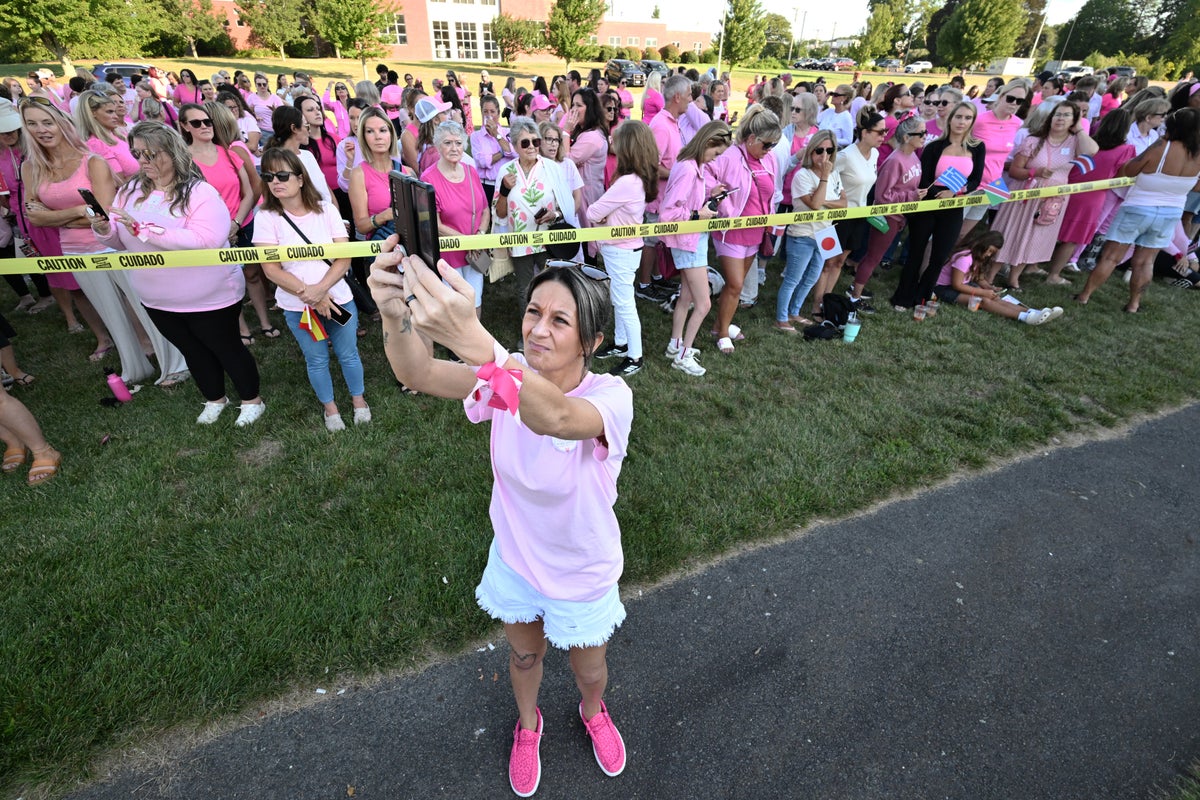
We like our tragedies wrapped in neat, digestible narratives. Good versus evil. Monster versus victim. But human psychology refuses to stay inside those clean little boxes. When a group of supporters wearing bright pink gathered to back Lindsay Clancy, the Massachusetts mother accused of strangling her three young children, society collectively gasped. How could anyone rally behind a woman facing such horrific charges?
The knee-jerk reaction is simple outrage. Yet, looking past the initial shock reveals a complicated intersection of mental health advocacy, postpartum psychosis, and the desperate tribalism of people trying to make sense of the senseless. If you found value in this piece, you should look at: this related article.
The Anatomy of a Public Backlash
The supporters who turned up in pink claimed they weren't endorsing the deaths of Cora, Dawson, and Callan. Instead, they framed their presence around systemic failure. They pointed to the crushing weight placed on modern mothers, the terrifying reality of severe postpartum psychiatric illness, and a medical system that allegedly failed to spot a woman spiraling toward a catastrophic break from reality.
Critics saw it differently. To many, showing up for a defendant in a triple-homicide case minimizes the lives of the children who died. It sends a chilling message to families navigating grief. It blurs the line between empathy for a struggling patient and accountability for deadly actions. When public figures and local advocates spoke out against the rallies, they argued that channeling sympathy toward the accused actively erases the victims. For another look on this development, check out the recent update from TIME.
Where Mental Health Meets the Criminal Justice System
The core debate fueling these demonstrations isn't just about one woman in Duxbury, Massachusetts. It touches on how the legal system handles severe mental illness. Defense attorneys argued that Clancy was heavily medicated, experiencing acute postpartum psychosis, and essentially detached from reality when the tragedy occurred.
When psychosis enters a courtroom, public understanding usually shatters. We understand postpartum depression as crying spells and fatigue. We rarely talk about the terrifying, delusional states where a person loses touch with reality entirely. Supporters latched onto this medical defense, viewing Clancy as another victim of a broken healthcare safety net. Opponents argued that weaponizing mental health diagnoses excuses violence and stigmatizes millions of mothers who experience postpartum mood disorders without harming anyone.
The Dangers of Sympathy Tourism
There is a strange phenomenon in high-profile criminal cases where well-meaning people adopt causes without realizing the collateral damage. Rallying around a defendant charged with killing children creates a toxic media circus. It turns a profound private and public tragedy into a culture war battleground.
If you find yourself drawn to complex legal cases or mental health advocacy, it helps to pause before joining a chorus of public opinion. Ask yourself whose voices are being amplified and whose pain is being sidelined. True advocacy doesn't require defending the indefensible; it requires examining the cracks in our institutions before a crisis happens, not waving signs after the damage is already done.
The pink rally faded from the headlines, but the questions it raised remain entirely unresolved. We are left staring at a fractured landscape where compassion and accountability pull in opposite directions, leaving no easy answers in their wake.