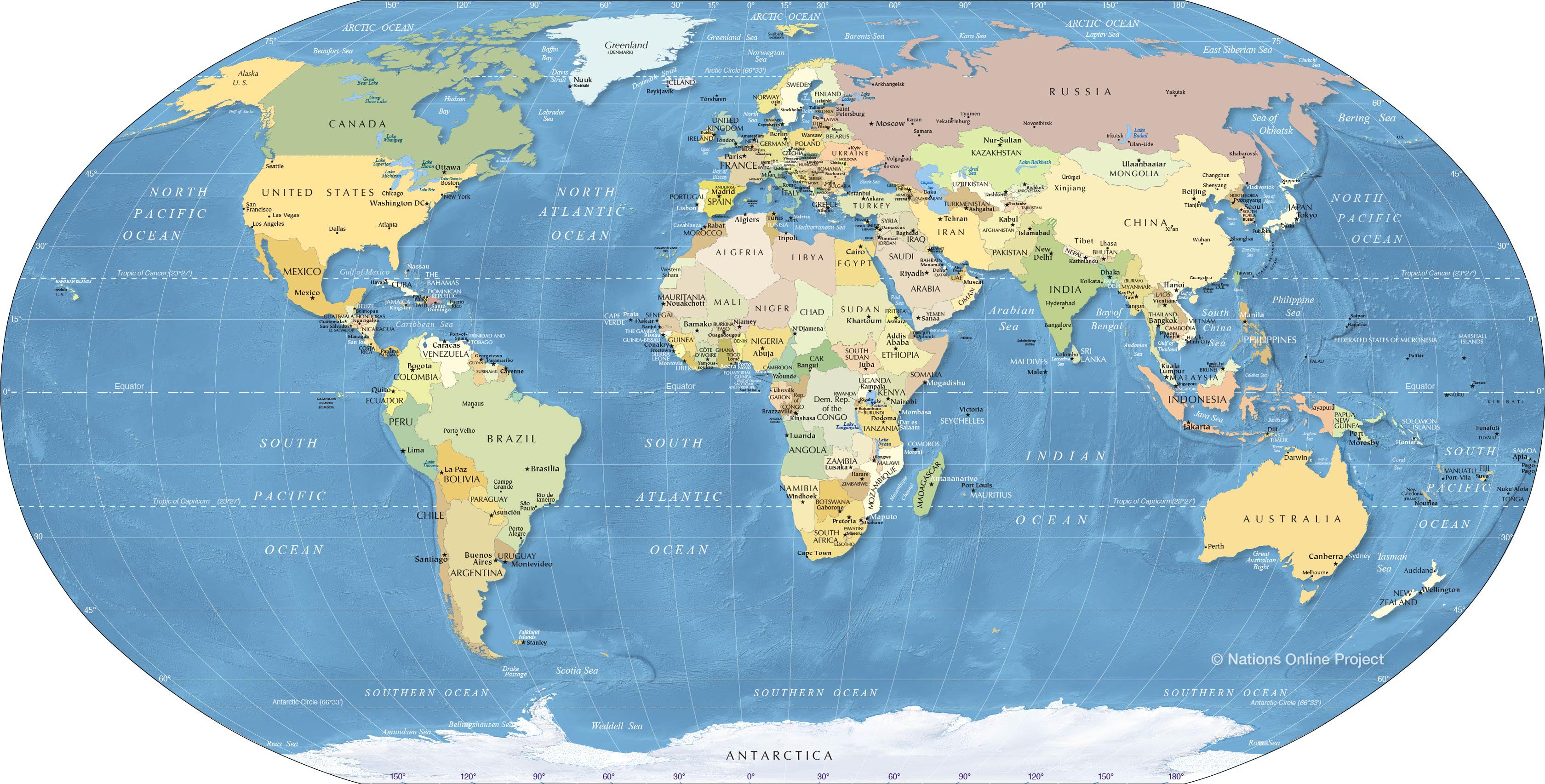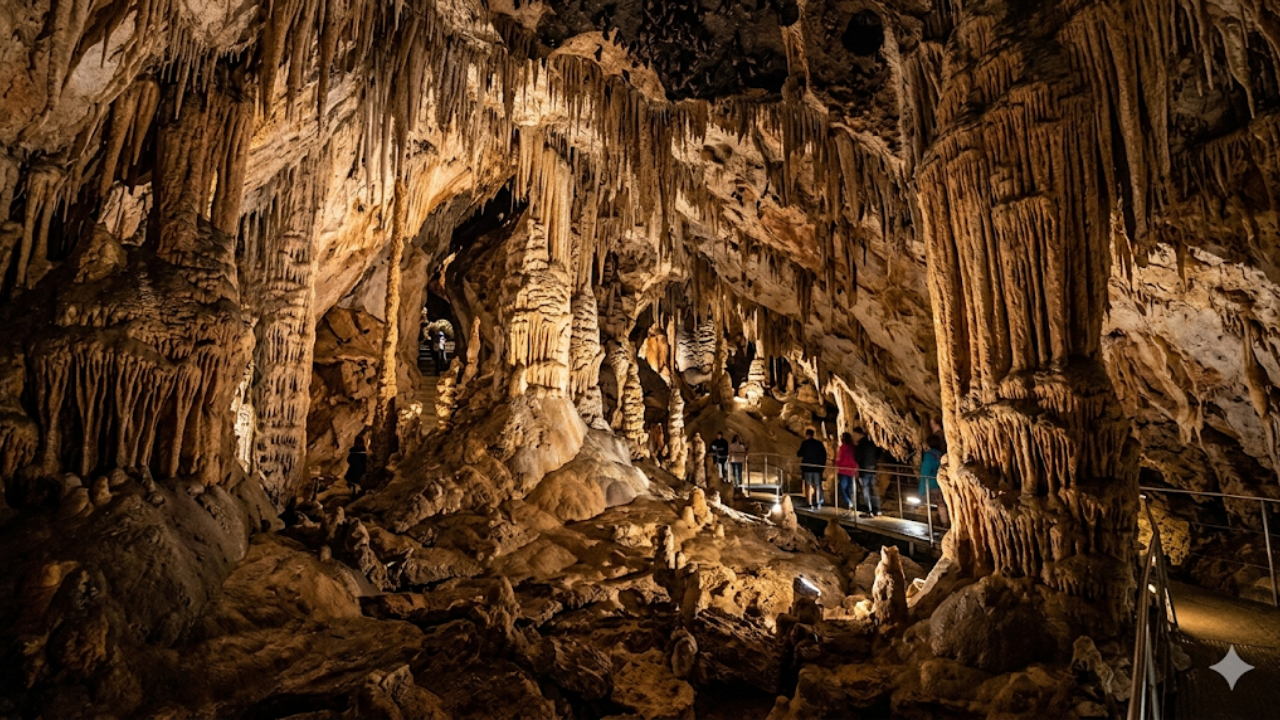
The Diros cave complex, specifically the Alepotrypa (Foxhole) site in the Mani Peninsula of Greece, represents a closed-system archaeological anomaly where the transition from a thriving Neolithic hub to a mass grave was dictated by a single cataclysmic geological event. While sensationalist narratives frame the site as a mystical "underground cave where people never returned," a structural analysis of the stratigraphic record and skeletal positioning reveals a more clinical reality: the site is a high-fidelity snapshot of structural failure and resource entrapment.
Understanding the Alepotrypa mystery requires moving beyond folklore and focusing on the Three Pillars of Subterranean Obsolescence: geological instability, spatial density, and the finality of the 3200 BCE seismic seal.
The Structural Architecture of Alepotrypa
Alepotrypa was not merely a ritual site; it functioned as a sophisticated logistical hub for nearly 3,000 years (roughly 6000 BCE to 3200 BCE). The internal cave geometry provided a stable thermal environment, crucial for the storage of surplus grain and the maintenance of early industrial processes like pottery production and obsidian tool fabrication.
The cave spans roughly 500 meters in length, but its utility was defined by its internal chambers. The "Great Hall" served as the primary nexus, while the deeper recesses acted as secondary storage or ritual zones. The spatial logic of the Neolithic inhabitants suggests a high degree of organizational intelligence. They utilized the natural limestone formations to demarcate zones of activity:
- The Domestic Perimeter: The area nearest the entrance, optimized for ventilation and light-dependent tasks.
- The Industrial Core: Centrally located zones where high-heat kilns were operated, taking advantage of the cave’s natural airflow to vent particulate matter.
- The Funerary and Ritual Sub-basement: The deepest accessible points, where the lack of light and proximity to subterranean water sources created a psychological and physical boundary between the living and the dead.
The "mystery" of those who entered and never returned is explained by the sudden shift in the cave's status from a managed asset to a geological tomb.
The Mechanics of the 3200 BCE Seismic Seal
The termination of Alepotrypa’s occupancy was not a gradual abandonment. It was a terminal event. Around 5,200 years ago, a massive earthquake—common in the tectonically active Peloponnese—triggered a catastrophic collapse of the cave’s entrance.
In a standard urban environment, a structural collapse allows for exterior rescue or lateral escape. In a subterranean context, the collapse creates a Total Closure Variable. The physics of the entrance block involved hundreds of tons of limestone debris, rendering manual excavation from the inside impossible with Neolithic technology.
The Entrapment Cost Function
The fate of those inside at the moment of the collapse can be modeled through a resource depletion framework. Once the entrance was sealed, the internal environment shifted from a sustainable ecosystem to a closed system with rapidly diminishing returns:
- Oxygen Displacement: While the cave is large, the introduction of dust from the collapse and the continued use of torches or fires would have rapidly increased carbon dioxide levels, leading to hypoxia long before starvation became a factor.
- Psychological Disorientation: The total absence of light—once the primary fuel sources were exhausted—induces severe spatial disorientation. Skeletal remains found in unnatural positions deep within the cave suggest that trapped individuals attempted to navigate the labyrinth in total darkness, leading to falls and injuries.
- Hydrological Constraints: While the cave contains a subterranean lake, access to it in total darkness and through debris-strewn chambers significantly limited its utility as a survival resource.
Bioarchaeological Evidence of Systemic Stress
The skeletal remains discovered within Alepotrypa provide the most objective data regarding the cave’s final hours. Unlike traditional burial sites, where remains are articulated and positioned with grave goods (as seen in the famous "Alepotrypa Couple" who were buried together centuries before the collapse), the "entrapment layer" shows a lack of ritual preparation.
The presence of unburied remains in transit areas suggests that at the time of the seal, the cave was at peak occupancy. Analysis of the bone chemistry indicates a population that was generally well-nourished but beginning to show signs of the "Neolithic Transition Stress"—specifically, a reliance on a narrower range of cereal crops and an increase in density-related pathogens.
The "couple" often cited in media reports (found in a spooning position) actually dates to 3800 BCE, nearly 600 years before the final collapse. This highlights a critical distinction in the site’s history: there is a Ritual Phase (planned burials) and a Catastrophic Phase (accidental entrapment). Confusing the two obscures the true horror of the 3200 BCE event. The final occupants did not choose to remain; they were victims of a geological lockout.
The Myth of the "Hades" Correlation
There is frequent speculation that Alepotrypa served as the inspiration for the Greek Underworld, Hades. While this is a compelling cultural hypothesis, it lacks a direct evidentiary link. However, the Functional Parallel is undeniable.
The Greek conception of the underworld involves a definitive entrance (the Gates of Hades) and a subterranean geography involving water (the Styx). Alepotrypa’s massive scale, its lake, and the sudden "disappearance" of a significant portion of the local population into the earth likely created a localized oral tradition that contributed to the broader Hellenic mythology.
From a consultant’s perspective, the myth is a Legacy Narrative—a way for surviving populations to categorize and process a massive loss of human capital and cultural memory. When the cave was sealed, the survivors lost not just their family members, but their central bank of resources, their religious center, and their shelter. The "underworld" is the psychological projection of a physical site that became inaccessible but remained present in the collective memory.
Technological Barriers to Modern Exploration
Modern exploration of Alepotrypa is not hindered by "curses," but by Physical Risk Parameters. The cave's atmosphere is notoriously difficult to manage due to high humidity and the fragility of the remaining Neolithic artifacts.
- Micro-climate Fragility: Introducing external air and light accelerates the degradation of organic remains and ceramic pigments that have been preserved for five millennia in a stable environment.
- Structural Instability: The same tectonic factors that sealed the cave in 3200 BCE remain active. The limestone matrix is porous and prone to further collapses, necessitating extensive shoring before researchers can penetrate the deeper galleries.
- Sediment Stratification: Much of the cave’s floor is covered in meters of silt and calcium carbonate deposits. Recovering the "missing" individuals requires meticulous excavation that can take decades, as each centimeter of sediment represents a temporal record.
Quantifying the Archaeological Yield
Alepotrypa is one of the richest Neolithic sites in Europe. The sheer volume of material recovered—thousands of ceramic vessels, obsidian blades, and silver ornaments—points to a society with a high degree of Specialization and Trade Integration.
The silver found at the site suggests a trade network extending to the Aegean islands and possibly the Balkans. This indicates that the cave was not an isolated shelter but a Primary Node in a Mediterranean trade network. The loss of this node during the 3200 BCE earthquake likely had a cascading economic effect on the surrounding Mani region, forcing a shift toward more mobile, pastoralist lifestyles as the fixed-point infrastructure of the cave was destroyed.
The Myth of the "Never Returned"
The phrase "never returned" is a linguistic shortcut for a mass mortality event. Data indicates that the individuals found in the upper layers were not "lost" in the cave's depths; they were pinned by the geography of the entrance. The deeper mysteries—the individuals found hundreds of meters in—represent those who were already deep within the system when the lights went out.
The true mystery is not why they didn't leave, but why the site was never re-opened by later generations. The answer lies in the Energy Return on Investment (EROI). Re-excavating a collapsed limestone cave with bronze or iron tools was a task of diminishing utility compared to building new settlements on the surface. The cave was abandoned not because it was cursed, but because it was no longer a viable piece of infrastructure.
Strategic Assessment of the Alepotrypa Record
The Alepotrypa site serves as a definitive case study in Systemic Fragility. It demonstrates that even the most robust and long-standing human habitats are subject to terminal failure when they rely on a single point of entry/exit.
To maximize the intellectual and historical yield of the site, future research must shift from anecdotal "mystery" hunting to high-resolution environmental modeling. We must map the exact seismic forces required to collapse the entrance and correlate that with the distribution of remains to create a 3D timeline of the final hours.
The strategic play for current archaeology is the deployment of Non-Invasive Subsurface Imaging (LiDAR and Ground Penetrating Radar) to map the galleries that remain blocked by the 3200 BCE debris. Only by bypassing the physical blockages through digital reconstruction can we fully account for the population trapped within. The goal is to move from a narrative of "mystery" to a comprehensive audit of Neolithic life and its sudden cessation. Alepotrypa is not a ghost story; it is a closed dataset waiting for a more sophisticated interface.