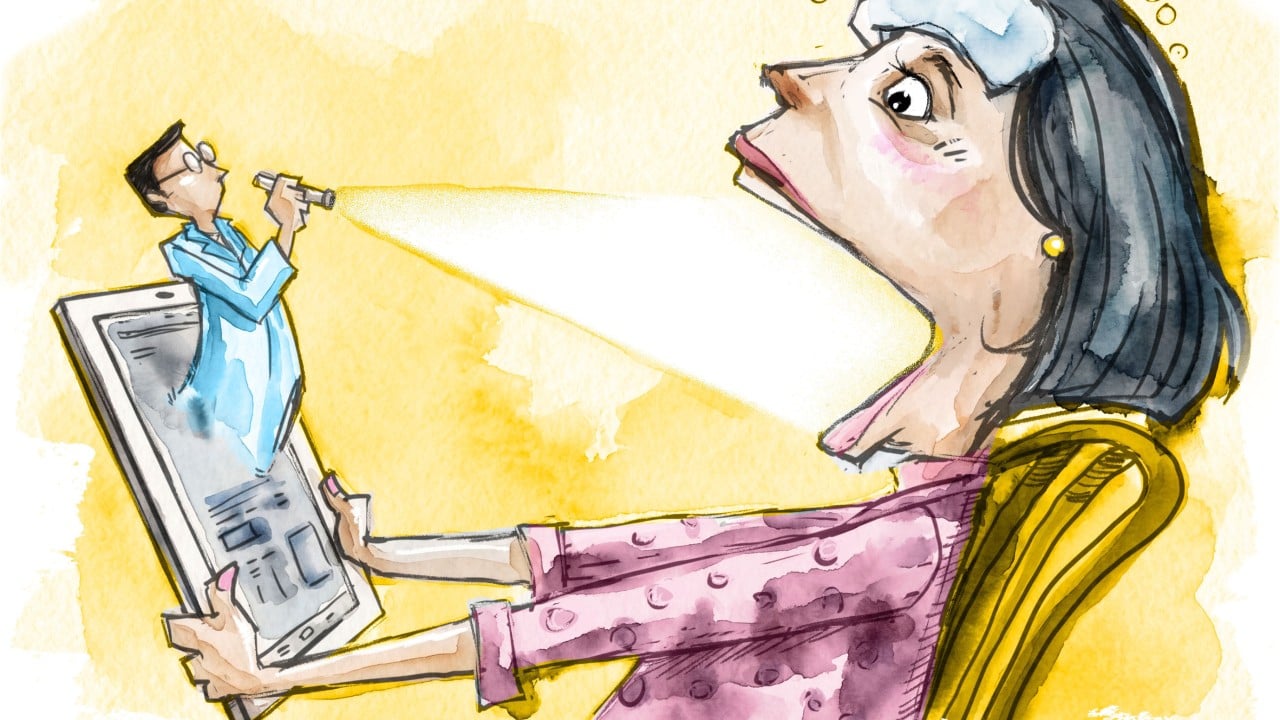
BBC News presenter Maryam Moshiri recently revealed she has been quietly undergoing treatment for Polycythaemia vera, an incurable blood cancer, for the past two years. This rare bone marrow disorder forces the body to overproduce red blood cells, thickening the fluid and creating a relentless, grinding fatigue that most viewers never see beneath the polished studio glare. While anchoring global broadcasts and fronting high-stakes coverage, Moshiri balanced grueling medical regimens—including regular phlebotomies to drain excess blood—with the unyielding demands of live television.
Public figures stepping forward with severe medical diagnoses always trigger a wave of headlines. Then the news cycle shifts. What remains behind is the unglamorous, grinding reality of chronic illness management while maintaining a public-facing career.
Polycythaemia vera sits within a group of conditions known as myeloproliferative neoplasms. Bone marrow acts up. It factory-churns cells without proper regulatory brakes. Blood thickens like syrup in an engine. Circulation slows. The risk of clots multiplies. Patients face constant monitoring, blood removal procedures, and a profound, bone-deep exhaustion that sleep cannot fix.
Moshiri spent weeks in Rome covering major international events while managing symptoms. Adrenaline is a powerful anesthetic. Studio lights mask pale skin. Makeup artists cover the physical toll. Millions watched her analyze breaking developments from around the planet completely unaware that her body was fighting a silent, resource-draining war.
The human mind relies on visible cues to gauge illness. Baldness, frail limbs, or a hospital gown signal danger. Blood cancer often defies these visual shortcuts. A person can look entirely healthy on a television screen while their cellular structure misbehaves behind the scenes. This disconnect creates a peculiar psychological burden. Friends, colleagues, and viewers expect normalcy because the exterior matches past templates.
Managing a high-profile career during a health crisis demands compartmentalization of an extreme order. Television news does not pause for personal grief or cellular dysfunction. Teleprompters roll regardless of white blood cell counts or hemoglobin levels. The anchor chair requires absolute cognitive presence. Missing a beat on air is not an option.
Yet the cost shifts away from the studio and lands heavily at home.
Exhaustion leaves little room for parenting. When a young child asks a parent to play football in the garden, and the body refuses to cooperate due to sheer systemic fatigue, the emotional weight compounds the physical ailment. Chronic conditions steal ordinary moments. They turn simple domestic interactions into logistical calculations of conserved energy.
Public disclosures by prominent broadcasters serve a distinct purpose beyond drawing sympathy. They force awareness toward conditions that lack the public profile of breast or lung cancer. Organizations like Blood Cancer UK launch initiatives precisely because these illnesses hide behind vague symptoms like fatigue, headaches, or minor dizziness. People dismiss them as overwork.
Workplace culture also plays a quiet role in how professionals handle serious diagnoses. Broadcasters, journalists, and high-achieving professionals often internalize a relentless drive. Admitting vulnerability feels like an occupational failure. Staying on air becomes a way to retain agency. Control over one's professional identity offers a psychological counterweight to a body that refuses to follow commands.
Medicine has advanced remarkably, but chronic blood disorders remain management puzzles rather than solvable equations. Treatments keep the condition from escalating into more dangerous acute phases, but they rarely restore full vitality. Patients learn to inhabit a permanent middle ground between health and illness.
The cameras switch off eventually. The studio empties. The makeup washes away. What stays is the quiet routine of managing an unpredictable marrow, waiting for the next blood draw, and wondering how much energy remains for tomorrow's headlines.