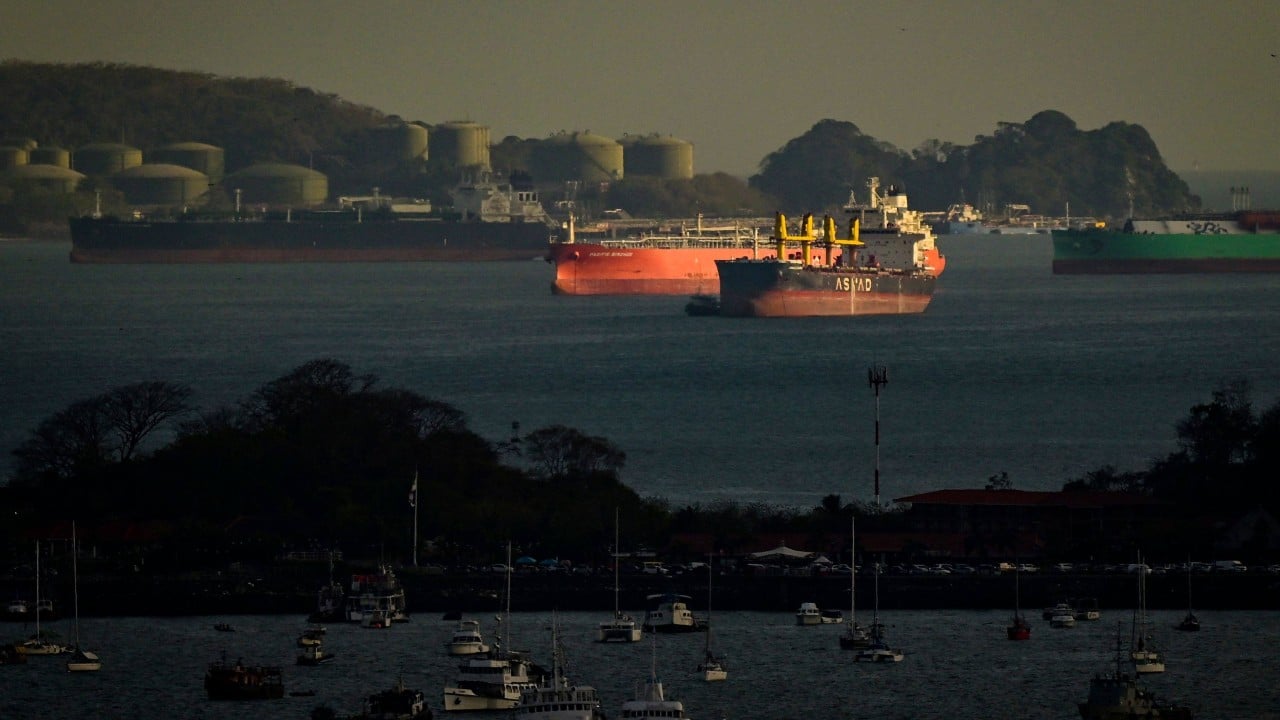
Geoeconomic integration functions under the assumption that shared borders and deep supply chain interlock create mutual deterrence against protectionist shocks. When the United States enacted a fifty percent tariff on nearly twenty billion dollars worth of Canadian imports, utilizing Section 338 of the Tariff Act of 1930, that assumption underwent a structural stress test. Canadian Prime Minister Mark Carney characterized the maneuver as an economic attack, choosing to pivot from diplomatic accommodation to retaliatory symmetry. Analyzing this friction requires moving past political rhetoric to evaluate the mechanics of the breakdown, the cost functions imposed on both domestic markets, and the long-term systemic fallout for North American trade architecture.
The Three Pillars of Negotiation Failure
Bilateral trade talks fail not through sudden diplomatic ruptures, but via the steady divergence of core negotiating parameters. In the final hours before the implementation of the American duties, negotiations collapsed across three distinct structural fault lines.
The first fault line involved automotive and industrial market access. The United States administration introduced last-minute modifications designed to alter vehicle parts calculations and exempt specific pick-up trucks while penalizing others. From an operational perspective, these terms would have progressively eroded the economic viability of automotive assembly lines north of the border, rendering integrated supply chains unworkable.
The second fault line centered on sovereignty and external trade autonomy. Washington sought clauses that would restrict Canada’s capacity to execute independent trade agreements with third-party nations. For Ottawa, foreign policy independence and the protection of cultural frameworks and linguistic assets represent non-negotiable baselines. Tying market access to restrictions on external sovereignty transformed a commercial negotiation into an untenable political subordination test.
The third fault line involved mismatched concessions. Canada signaled a willingness to unwind retaliatory levies on steel, aluminum, and automobiles, alongside administrative adjustments to provincial alcohol retail distribution and supply management frameworks. Conversely, the final text presented by American negotiators asked for deep structural concessions while offering insufficient tariff relief in return, leading to an asymmetry that no administration could absorb domestically without severe political cost.
The Cost Function and Transmission Mechanisms
Tariffs are taxes levied on domestic importers, the costs of which are transmitted directly down the supply chain to end consumers and industrial purchasers. The imposition of a fifty percent tariff on targeted categories—spanning foundational inputs like lumber, steel products, and machinery, to consumer goods such as athletic equipment, spirits, and electronics—creates immediate pricing distortions.
For American businesses reliant on Canadian intermediate goods, input costs experience an instantaneous step-function increase. Alternative suppliers cannot be spun up overnight; supply chain substitution requires capital expenditure, regulatory re-certification, and operational lead times spanning months or years. Consequently, importers absorb margin compression or pass price hikes onto domestic consumers, fueling inflationary pressures in sectors already sensitive to price volatility.
On the Canadian side, the exposure is concentrated in export-dependent sectors. Approximately seventy-two percent of Canadian goods exports historically cross the southern border. A fifty percent duty on twenty billion dollars of trade threatens tens of thousands of jobs, concentrated heavily in manufacturing hubs across Ontario, Quebec, and British Columbia. The transmission mechanism here operates via reduced capital expenditures, delayed plant expansions, and eventual headcount reductions as profit margins evaporate.
To counteract this structural shock, Ottawa committed to a dollar-for-dollar retaliatory tariff regime targeting U.S. goods beginning after Labour Day, coupled with direct fiscal lifelines for exposed domestic industries. While retaliatory tariffs inflict localized political pain on specific American export sectors—such as agriculture and manufactured machinery—they also compound the friction for consumers on both sides of the border, creating a self-reinforcing loop of protectionist drag.
Systemic Vulnerability and Strategic Realignment
The breakdown of these talks signals the erosion of the rules-based regional trade framework established over decades. When major trading partners treat trade agreements as conditional instruments subject to abrupt executive overrides, corporate capital planning undergoes a permanent adjustment. Risk models must now account for high-probability regulatory volatility, forcing firms to re-evaluate cross-border investments.
Industries operating within the North American footprint face a stark strategic choice: reconfigure operations to localize production entirely within national borders, absorbing higher baseline operating costs for the sake of regulatory immunity, or diversify export markets toward Asia and Europe to minimize single-market dependency. For Canada, the experience has accelerated a critical reassessment of its economic entanglements, demonstrating that geographic proximity no longer guarantees institutional stability.
Deploy targeted import substitution policies for vulnerable industrial sectors while maintaining fiscal support frameworks for export-oriented enterprises until supply chains successfully re-route capital away from high-volatility corridors.