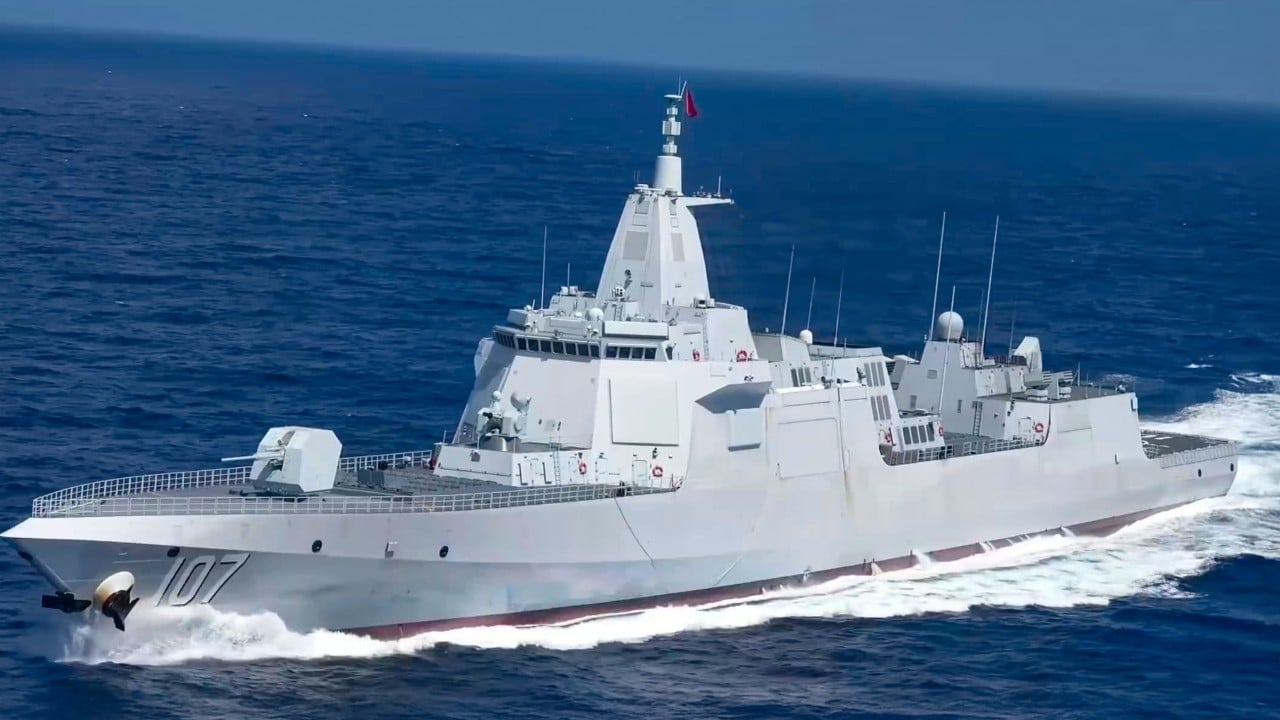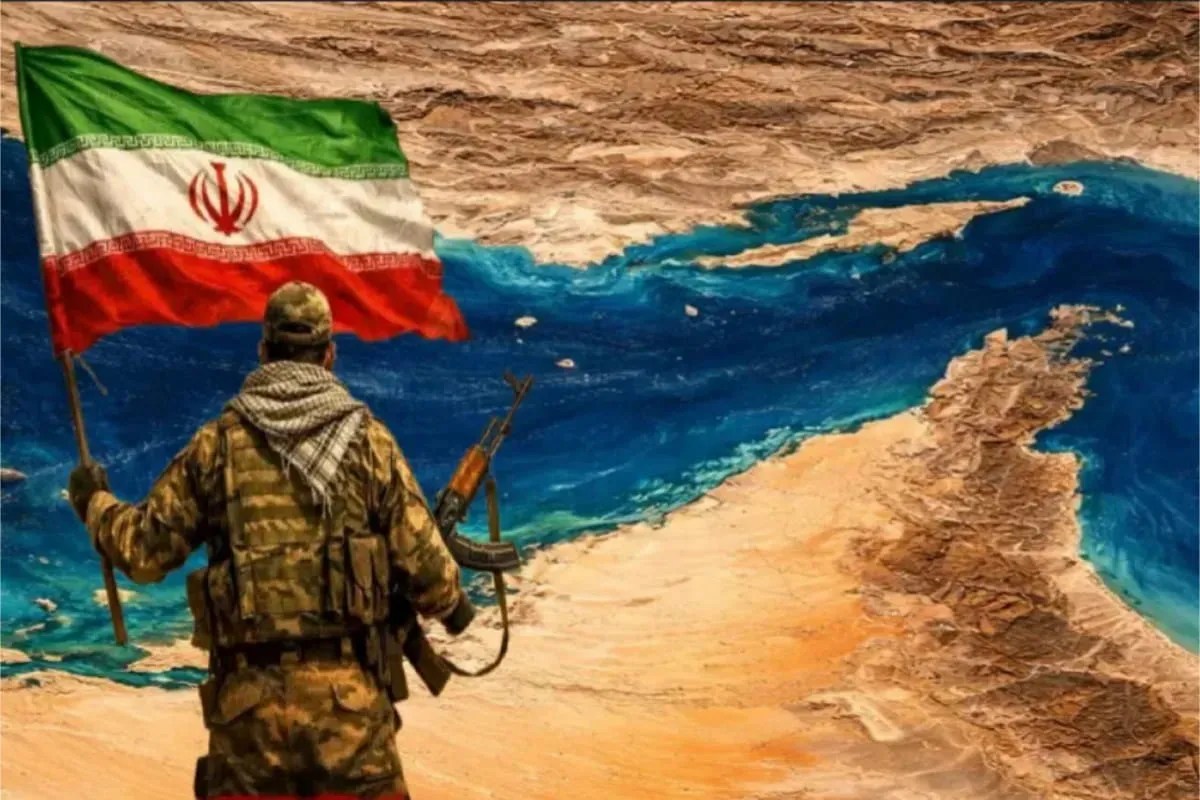
Geopolitical posturing over maritime transit corridors frequently conflates nominal sovereignty with operational control, generating an analytical blind spot in global energy logistics. When state actors dispute the transit status of chokepoints like the Strait of Hormuz, market observers face a barrage of conflicting claims regarding traffic volume, naval dominance, and economic vulnerability. Deconstructing these assertions requires moving past surface-level rhetoric to examine the actual mechanics of maritime transit, cost functions of crude transportation, and the structural limits of naval enforcement.
The Strait of Hormuz handles roughly twenty million barrels of oil per day, representing a significant percentage of globally traded petroleum liquids. Understanding how this corridor functions under pressure demands a framework that isolates physical geography from political signaling. The operational reality of the route relies on established shipping lanes, automated identification systems, insurance ratcheting, and physical tanker maneuverability. When tensions escalate between regional powers and security guarantors, the resulting friction manifests not as an immediate physical closure, but as a systematic recalculation of risk premiums, insurance rates, and vessel routing options.
The Structural Mechanics of Transit Control
Controlling a maritime corridor like the Strait of Hormuz is governed by international maritime law, navigational geography, and the operational limitations of force projection. The strait is divided into inbound and outbound traffic separation schemes, each two miles wide, separated by a two-mile buffer zone. This narrow geometry forces supertankers into predictable trajectories within territorial waters or overlapping economic zones, creating an environment where physical presence can be easily established by littoral states.
However, establishing physical presence is fundamentally different from regulating commercial flow. The economic throughput of twenty million barrels per day depends on continuous, unhindered movement rather than static interdiction capability. A state claiming control over the corridor must maintain the administrative capacity to process vessel traffic, verify cargo manifests, and assure underwriters that transit risks remain within acceptable thresholds.
When official statements assert that a route remains under operational control despite geopolitical friction, the statement typically refers to the absence of physical blockades or minefields. Yet, the true variable governing traffic flow is not naval positioning; it is the marine insurance market. Underwriters respond to perceived escalation by adjusting hull war risk premiums. If these premiums spike beyond the economic margin of a voyage, commercial operators independently halt transit regardless of whether military patrols declare the waterway open. This creates a decoupling between state-level assertions of control and the operational decisions made by commercial shipping syndicates.
The Cost Function of Energy Logistics
The economic vulnerability of importing nations depends on the substitutability of transit routes and the depth of strategic petroleum reserves. When supply disruptions threaten Hormuz, the market reaction is driven by the cost function of rerouting rather than absolute physical deprivation.
Pipelines offer the primary structural alternative to maritime transit in the region. Infrastructure such as the East-West Pipeline in Saudi Arabia and the Habshan-Fujairah oil pipeline in the United Arab Emirates bypass the strait entirely, redirecting crude to terminals on the Red Sea and the Gulf of Oman. However, the aggregate capacity of these bypass pipelines is insufficient to absorb the total volume moving through the maritime corridor. Consequently, any prolonged disruption forces a massive negative supply shock that cannot be fully mitigated by pipeline diversion or inventory drawdowns.
The pricing mechanism reacts instantly to this structural deficit. Forward curves steepen into backwardation as refiners bid up immediate spot supplies, while freight rates for Very Large Crude Carriers spike in response to perceived risk exposure. The financial friction generated by these price adjustments acts as an economic tax on global manufacturing and consumer goods, transmitting the shock far beyond the immediate energy sector.
Assessing Verification Deficits in State Claims
Evaluating conflicting claims between regional actors and security guarantors requires analyzing the incentives driving public communication during crises. State actors locked in strategic competition utilize information warfare as an instrument of deterrence. Assertions of absolute control or impending disruption serve specific signaling functions aimed at domestic audiences, allied governments, and financial markets.
For external security guarantors, maintaining that maritime routes remain open protects consumer confidence and prevents speculative bubbles in energy commodities. Demonstrating naval presence and escort capabilities provides a necessary signal to commercial operators that baseline security is maintained. Conversely, littoral actors leverage the geographic vulnerability of the strait to establish strategic deterrence, signaling their capacity to impose unacceptable costs on global trade should economic or military pressure cross predetermined thresholds.
Differentiating between these strategic signals requires tracking hard operational indicators rather than diplomatic communiques. Analysts must monitor real-time vessel tracking telemetry, port congestion metrics at key loading terminals in the Persian Gulf, and changes in marine war risk insurance endorsements issued by Lloyd's Market Association Joint War Committee. When tracking data indicates steady transit volumes despite heightened rhetoric, commercial actors are effectively calling the bluff of potential disruptions, treating political posturing as noise rather than a structural constraint.
Strategic Allocation Under Enduring Vulnerability
Managing exposure to chokepoint volatility requires treating maritime transit disruptions not as black swan events, but as recurring operational variables within global supply chain design. Energy importers and trading desks must build resilience through multi-layered hedging strategies that account for both physical routing failures and financial shock transmission.
Refining operations should prioritize geographic diversification of crude slates to reduce dependency on Persian Gulf heavy grades when transit premiums exceed historical averages. Simultaneously, national energy authorities must align strategic reserve release mechanisms with structural pipeline capacity thresholds rather than immediate price fluctuations, ensuring that emergency inventories act as a genuine bridge during prolonged logistical bottlenecks. The ultimate defense against chokepoint leverage is the systematic reduction of transit inelasticity through expanded bypass infrastructure and diversified long-term supply contracts.