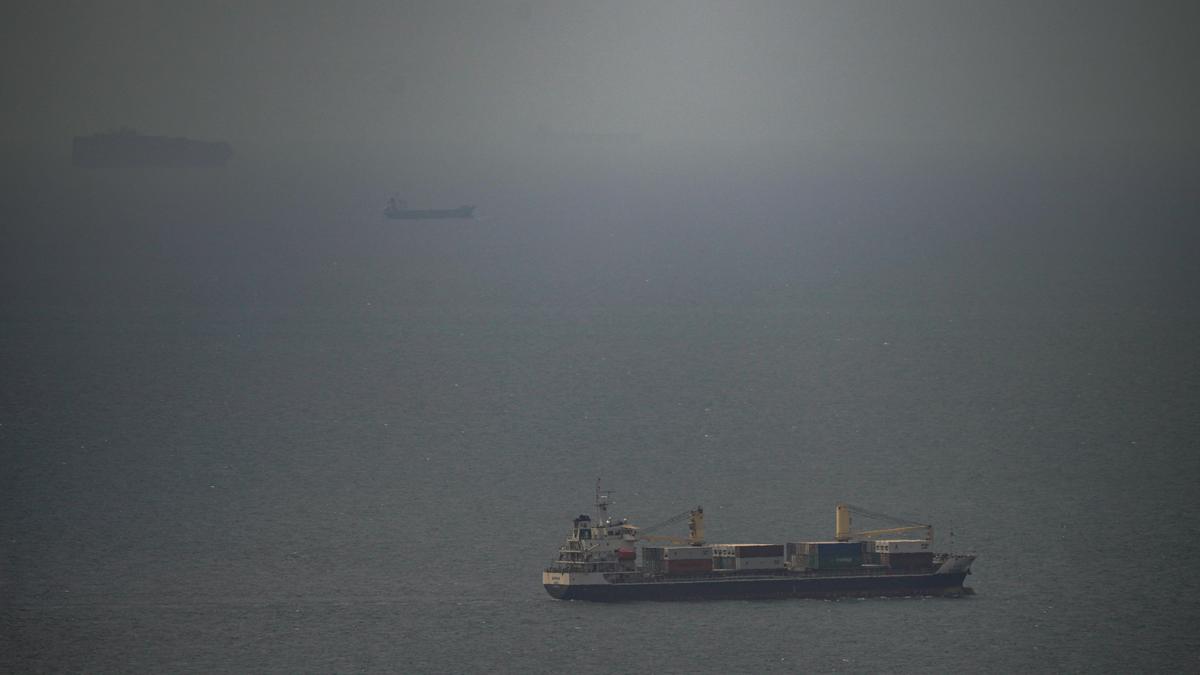
The global energy market is holding its breath, and honestly, it should be. Iran just made it clear that the Strait of Hormuz is staying shut as long as the U.S. Navy keeps its "blockade of the blockaders" in place. If you thought the ceasefire on April 8 was going to lower your gas prices, you were wrong. Tehran and Washington are currently locked in a maritime staring contest that neither side seems willing to blink in, and the consequences are reaching far beyond the Persian Gulf.
On Thursday, April 23, 2026, Iranian Parliament Speaker Mohammad Bagher Ghalibaf was blunt. He argued that a ceasefire is meaningless if a naval blockade remains. From Tehran's perspective, the U.S. is violating the spirit of the truce by choking off Iranian ports. Meanwhile, the U.S. maintains that it’s only stopping "shadow fleet" tankers and illicit cargo. The result? A complete deadlock in the world's most vital oil artery.
The Blockade Within a Blockade
Since the war broke out on February 28, the Strait of Hormuz has turned from a shipping lane into a graveyard for global trade. We aren't just talking about a few delayed tankers. We're looking at the largest energy disruption since the 1970s.
Iran initially closed the strait after the U.S. and Israel launched strikes and assassinated Supreme Leader Ali Khamenei. Fast forward to mid-April, and the situation has morphed into a weird, tiered blockade system.
- The Iranian Stance: They’ve laid mines and used the Revolutionary Guard (IRGC) to harass any ship they claim is linked to the U.S. or Israel.
- The U.S. Response: President Trump announced a naval blockade starting April 13, specifically targeting ships entering or leaving Iranian ports.
- The "Tolls": During the brief window where Iran claimed the strait was "open," they were reportedly charging over $1 million per ship for safe passage.
It’s a mess. The IRGC just seized two more ships—the Panama-flagged MSC Francesca and the Liberia-flagged Epaminondas—accusing them of trying to sneak through. This isn't about safety anymore. It’s about leverage. Iran knows the strait is its only remaining lung, and the U.S. is trying to squeeze it shut.
Why This Ceasefire Feels Like a Farce
You might wonder why we're still talking about blockades if there’s an "indefinite" ceasefire extension. The truth is that the truce is paper-thin. While the massive air strikes have mostly stopped, the economic war has actually intensified.
President Trump has claimed multiple times that the Iranian military is "destroyed," but the IRGC's ability to dump a few mines or swarm a tanker with small boats says otherwise. These low-tech tactics are incredibly effective. You don't need a high-tech navy to scare off global shipping firms. When insurance premiums for a single transit cost more than the cargo itself, companies just stop coming.
Vortexa data shows that between April 13 and April 21, transit activity for Iran-linked tankers dropped significantly. Only about one or two tankers per day are braving the strait now, compared to the usual heavy traffic. Most of these are moving with their AIS (tracking systems) disabled, literally ghosting through the water to avoid interdiction.
The Pakistan Factor and the Failed Islamabad Talks
Everyone is looking at Pakistan right now to play the hero. They brokered the initial truce, but the first round of talks in Islamabad was a total bust. Iran wanted the U.S. naval blockade lifted immediately as a condition for reopening the strait. The U.S. refused, demanding Iran clear its mines first.
It’s a classic "chicken and egg" problem.
- Iran says: "Lift the blockade, and we'll open the water."
- The U.S. says: "Open the water, and we'll lift the blockade."
In the middle of this, JD Vance put his travel to Islamabad on hold, and Trump is sounding more interested in the "New York Post" than in diplomatic cables. The lack of a clear, unified diplomatic front from Washington is making the Iranians believe they can outlast the pressure.
What This Actually Means for You
If you're reading this from an office in London or a gas station in Ohio, the "Strait of Hormuz" might feel like a distant problem. It isn't. Roughly 25% of the world’s seaborne oil trade passes through that narrow 21-mile gap.
When the strait stays closed, the "shadow fleet"—the unregulated tankers Iran uses to move oil—becomes the only game in town. This drives up the cost of everything. We've seen the largest monthly increase in oil prices in history this year. Even if you don't drive, the cost of shipping food and consumer goods is tied to these energy prices.
The Kremlin is reportedly sitting back and enjoying the show, maintaining its own supplies while watching the West struggle with the volatility. There’s no incentive for OPEC+ to step in and "save" the market while prices are this high.
Your Next Moves in an Uncertain Market
This isn't a situation that resolves with a single handshake. The tension is baked into the geography. If you're an investor or just someone trying to plan a budget for the rest of 2026, here’s how to handle the news:
- Watch the Insurance Rates: Don't listen to the politicians; watch the maritime insurance markets. If Lloyd’s of London doesn't lower the risk rating for the Persian Gulf, the strait isn't actually "open," no matter what a spokesperson says.
- Follow the Tanker Tracks: Use public maritime tracking tools to see if AIS-disabled ships are increasing. If "dark" transits go up, it means the blockade is being bypassed, which usually precedes an Iranian crackdown or a U.S. seizure.
- Hedge for Energy Volatility: Assume that energy prices will remain high through the summer. The ceasefire extension is a stalling tactic, not a solution.
The standoff in the Strait of Hormuz is the new normal. Iran has proven it can break the global energy chain with relatively cheap weapons, and the U.S. has shown it’s willing to use its navy as an economic strangulation tool. Until one side experiences enough internal pain to cave, the gates to the Persian Gulf stay locked.