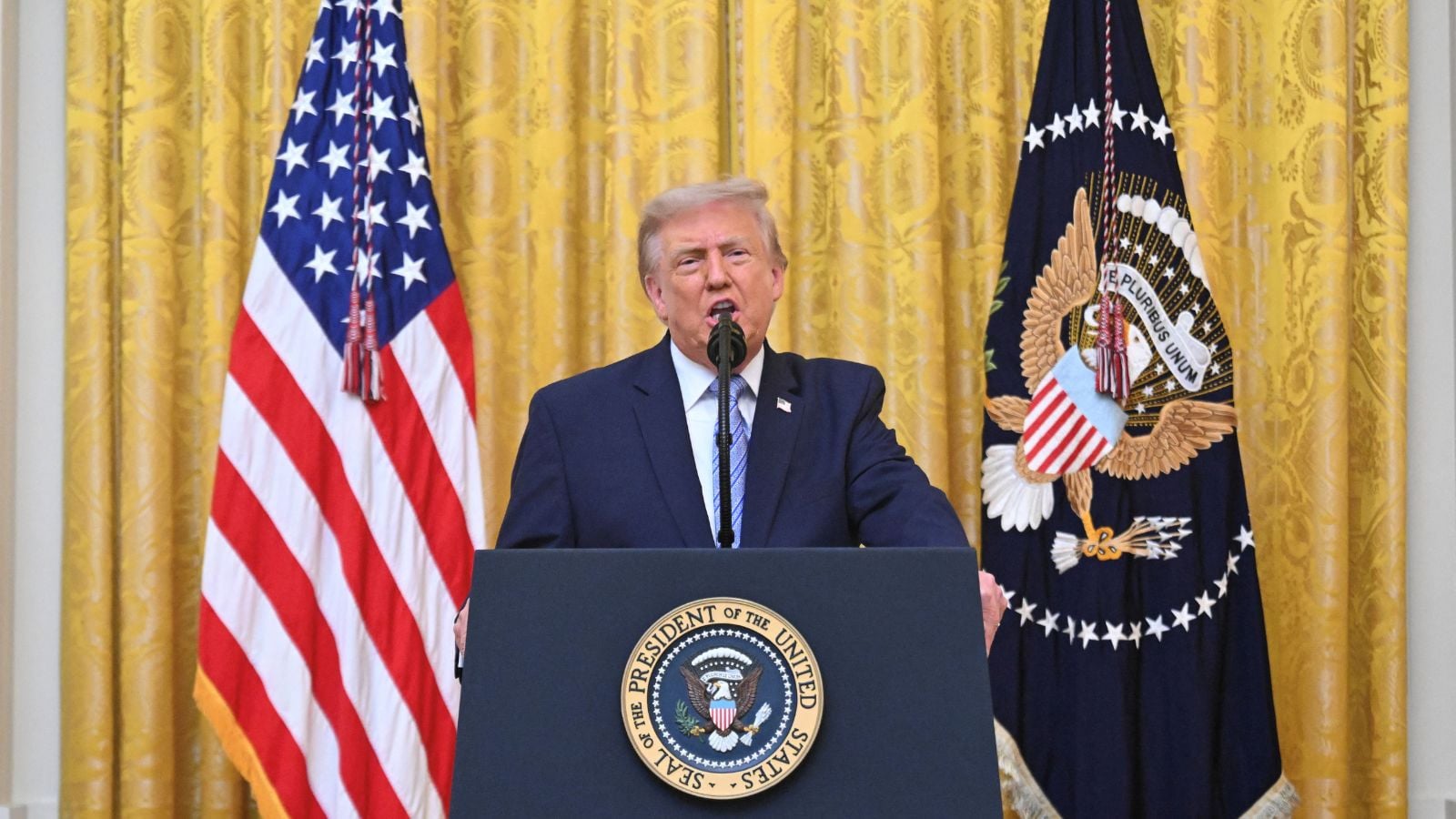
Geopolitical pressure cooker situations rarely boil over quite like this. When Washington turns its ire toward a long-standing regional mediator, you know the diplomatic track has completely derailed. Donald Trump's recent warning directed at Muscat—stating that the United States will target Oman if it interferes with American objectives in the Strait of Hormuz—marks a brutal escalation in an already grinding six-month conflict.
If you're trying to figure out why a quiet Gulf intermediary suddenly found itself in the crosshairs of a presidential threat, you have to look at the expired 60-day memorandum of understanding and the fierce geopolitical chess match over the world's most critical energy chokepoint.
The Anatomy of the Hormuz Stalemate
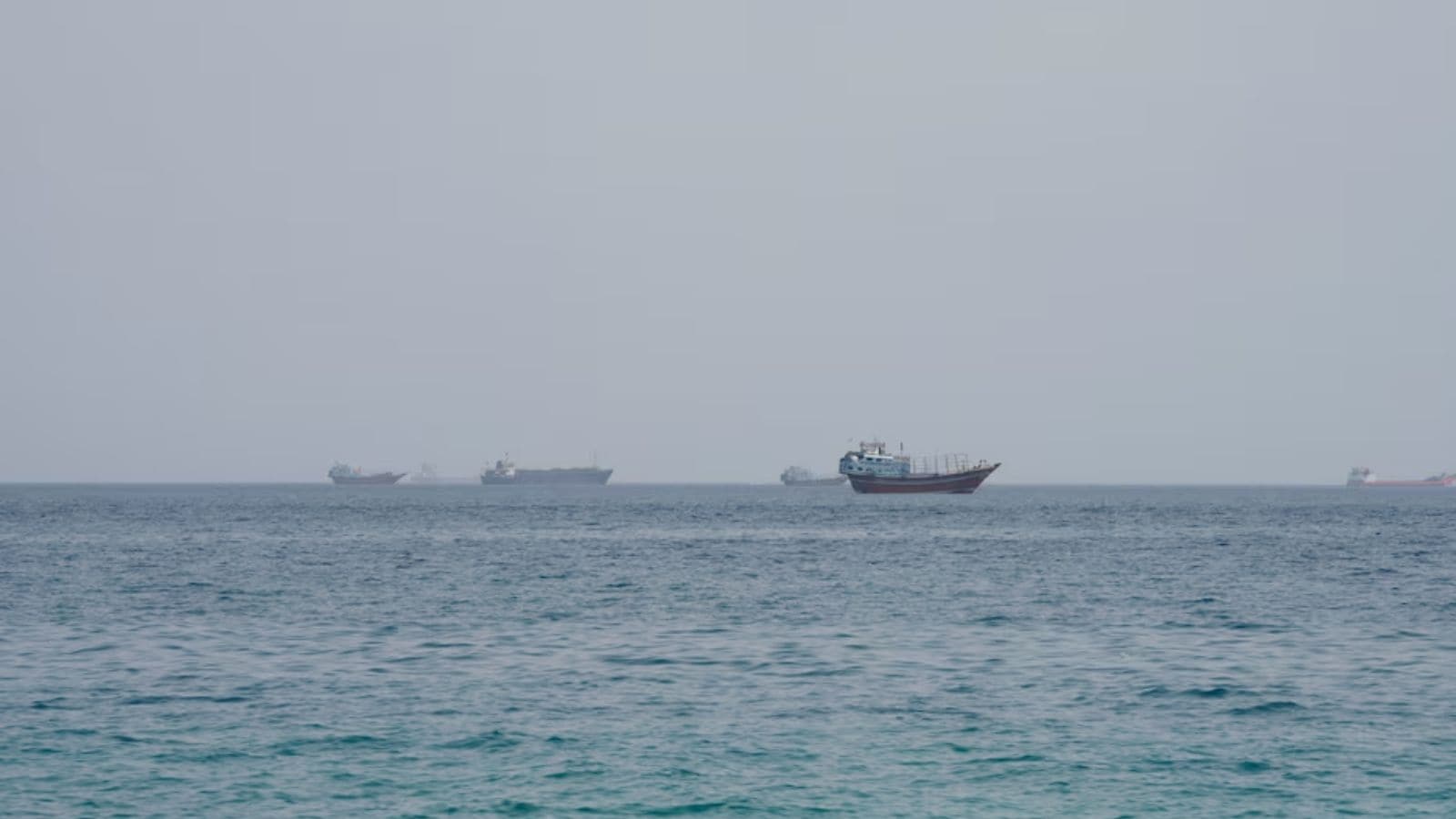
The Strait of Hormuz isn't just a stretch of water; it's the financial jugular of global oil transit. Before the current conflict flared up in late February, roughly one-fifth of the globe's petroleum supplies moved through these narrow shipping lanes. When hostilities broke out, Tehran effectively closed the waterway, utilizing its geographic position as its primary source of leverage against American naval blockades.
Washington wants the strait open to stabilize energy prices—especially with midterm political pressures mounting at home. Tehran wants concrete concessions, lifted port blockades, and economic relief. Into this toxic mix stepped Oman, attempting to broker a provisional arrangement for commercial transit.
Iranian Foreign Ministry spokesperson Esmail Baghaei recently announced that Tehran and Muscat reached a foundational understanding regarding transit routes. Ships would theoretically hug specific coordinates—entering near Iran and exiting near Oman—without paying transit tolls. But Washington views these backchannel maneuverings with extreme suspicion, fearing a deal that bypasses strict American terms or grants Iran permanent veto power over maritime traffic.
Trump's blunt rhetoric toward Oman exposes the core frustration inside the White House. Months of conventional military pressure, economic blockades, and sporadic clashes haven't forced Tehran to surrender. Instead, Iran continues to absorb the economic blows while maintaining its grip on regional security dynamics.
Why Oman Matters to Both Sides
Oman has historically played the role of the ultimate neutral Swiss banker of the Middle East. It maintains open diplomatic channels with actors that refuse to speak to one another, making it an invaluable asset for de-escalation.
However, neutrality is a luxury that major powers rarely respect when total victory is on the line. By trying to secure a separate navigational understanding with Iran, Muscat inadvertently triggered American fears of a broken western coalition. Washington insists that any reopening of the strait must happen on terms dictated by the US blockade framework, not through independent bilateral pacts that let Tehran dictate the rules of engagement.
Senior Iranian officials have already responded to the breakdown of the 60-day window with open defiance. Tehran warns that if diplomacy fails completely, it will execute precise military measures to shatter the US naval blockade.
What Happens When All Diplomatic Paths Close
We are looking at a dangerous convergence of maximalist demands. The White House maintains that preventing Iran from acquiring nuclear capabilities remains its absolute priority, pushing aside warnings that prolonged blockades are driving up fuel costs and stressing regional alliances. Meanwhile, Iranian leadership calculates that standing firm is its only defense against complete capitulation.
Oman is now caught directly between an aggressive American strategy and an entrenched Iranian regime. Whether Muscat can salvage any version of its mediation efforts remains deeply doubtful. As the 60-day timeline lapses without a permanent settlement, the risk of accidental escalation in Gulf waters grows by the hour. Keep your eyes on the shipping insurance rates and emergency energy reserves; those metrics will tell you the real story long before the diplomats issue their next press release.