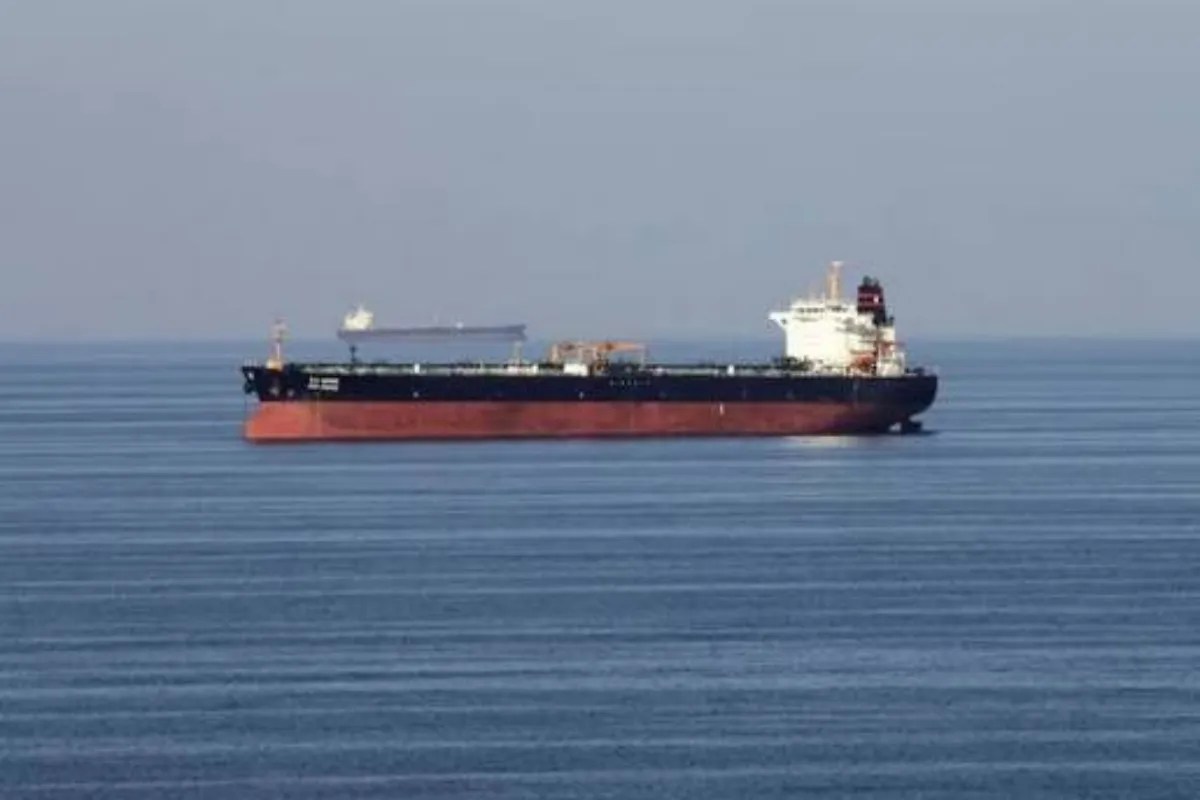
The narrow ribbon of water separating the Persian Gulf from the Gulf of Oman carries a fifth of the world's petroleum. Every single day, tankers laden with crude oil navigate this maritime bottleneck while regional superpowers eye each other across the shipping lanes. Recent escalations have pushed the Strait of Hormuz back into the geopolitical spotlight. Statements from Washington regarding maritime security routinely clash with assertive declarations from the Iranian military, leaving energy markets and international shippers caught in a high-stakes standoff.
Controlling the Strait of Hormuz is not merely a matter of stationing warships offshore. It is a complex exercise in geographic dominance, asymmetric naval strategy, and economic leverage. Understanding why this specific stretch of water commands such outsized global anxiety requires looking past the daily rhetoric and examining the physical and strategic realities on the ground.
The Geography of Vulnerability
Geography has dealt the Middle East a choke point of immense proportions. At its narrowest point, the Strait of Hormuz is only twenty-one miles wide. Within that corridor, the inbound and outbound shipping lanes are each just two miles wide, separated by a two-mile buffer zone.
This tight physical squeeze forces massive supertankers into predictable paths. Anyone positioned on the northern coast—controlled by Iran—gains a natural tactical advantage. The Iranian coastline features numerous coves, islands, and rugged terrain ideal for concealing small fast-attack craft, anti-ship missile batteries, and radar installations.
Naval planners have understood this imbalance for decades. Large carrier strike groups and commercial freighters operate with supreme power on the open ocean, but restricted waters invert that equation. A billion-dollar warship becomes an oversized target when forced to thread a needle within striking distance of mobile coastal defenses.
Asymmetric Tactics and Naval Realities
The Iranian military relies heavily on asymmetric warfare doctrines to project power in the Persian Gulf. Rather than attempting to match the blue-water capabilities of major global navies, Tehran has invested heavily in capabilities designed to deny access to the gulf entirely.
Fast-attack craft armed with heavy machine guns, rockets, and torpedoes form the backbone of this strategy. Swarming tactics, where dozens of nimble boats converge on a larger vessel simultaneously, are designed to overwhelm conventional defense systems. Combined with land-based anti-ship cruise missiles deployed along the southern Iranian coast, these forces create a persistent threat environment.
Furthermore, naval mines remain a cheap and devastatingly effective weapon. A few dozen simple contact or influence mines dropped into the shipping lanes can halt maritime traffic immediately. Sweeping those mines requires specialized vessels operating under constant threat of attack, turning a clearance operation into a protracted and hazardous campaign.
The Economic Ripple Effect
When rhetoric escalates over the Strait of Hormuz, global financial markets react instantly. Crude oil futures fluctuate based on the perceived risk of supply disruptions.
Energy security depends on the uninterrupted flow of hydrocarbons from producers in Saudi Arabia, the United Arab Emirates, Iraq, and Kuwait. Much of that oil must pass through the strait to reach energy-hungry markets in Asia and Europe. Even a temporary closure or a significant slowdown in traffic drives insurance premiums for commercial shipping to astronomical heights.
Shipowners face difficult choices when insurance underwriters deem the region too hazardous. Voyages are delayed, routes are altered where possible, and the cost of delivered energy spikes. Consumers ultimately bear this burden at the fuel pump and in utility bills, proving that geopolitical tensions in a twenty-mile stretch of water reverberate across ordinary households worldwide.
International Security Responses
Securing the maritime approaches to the Persian Gulf requires constant naval patrols and coalition coordination. International task forces maintain a permanent presence in the region to monitor commercial traffic, deter hostile interference, and ensure freedom of navigation under international law.
Yet, naval escorts are a reactive measure. They cannot eliminate the underlying friction between rival states. Every interception, warning broadcast, and close encounter between military vessels carries the risk of miscalculation. A single stray maneuver or a misinterpreted communication can trigger a rapid escalation that neither side genuinely desires.
Diplomatic channels remain strained, leaving deterrence as the primary mechanism for maintaining stability. Deterrence relies on clear communication of capability and resolve, but when competing actors issue direct challenges regarding who holds ultimate authority over the shipping lanes, the margin for error narrows dangerously.
The dispute over the Strait of Hormuz is unlikely to find a permanent resolution soon. The underlying geographic facts remain immutable, and the strategic interests of the competing powers are fundamentally misaligned. As long as the global economy depends on the energy resources flowing through this narrow channel, the standoff will persist, balancing perpetually on the edge of crisis.