Geopolitics often boils down to geography, and Qatar’s map is terrifying if you run an energy exporting superpower. The tiny peninsular state sits on a massive offshore gas field shared with Iran, but its actual exit ticket to the rest of the world runs through a liquid bottleneck narrower than most people realize. When tensions spike in the Middle East, Doha doesn't just worry about regional stability. They worry about the literal highway their liquefied natural gas tankers must use to reach Europe and Asia.
Most headlines focus on military strikes or diplomatic walkouts. They miss the mundane, brutal reality of maritime choke points. If you want to understand why Qatari diplomats are working overtime behind closed doors, you have to look at the narrow ribbon of water separating the Persian Gulf from the Gulf of Oman.
The Maritime Trap That Keeps Doha Awake at Night
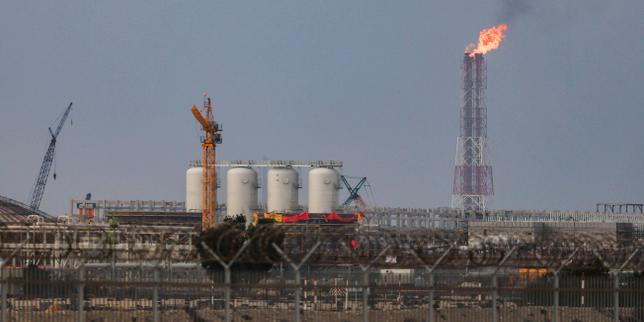
Geography isn't on Qatar's side here. Every single drop of liquefied natural gas produced at Ras Laffan—one of the largest processing facilities on earth—has to pass through the Strait of Hormuz. At its narrowest point, the shipping lanes are barely two miles wide inbound and outbound, squeezed between Omani and Iranian territorial waters.
Iran knows this. The Islamic Revolutionary Guard Corps patrols these waters constantly, keeping speedboats within shouting distance of multi-billion dollar cargo haulers. When diplomatic relations sour, Tehran doesn't need to launch a full-scale invasion to cripple its neighbors. It just has to hint at closing the strait or seizing a commercial vessel. Insurance rates for tankers spike overnight. Shippers get nervous. Crews refuse to sail.
Qatar built its entire modern identity on being the world's most reliable energy supplier. Long-term contracts demand absolute predictability. When physical transit depends on the goodwill of a regional rival constantly playing chicken with international navies, predictability evaporates.
Diversification is a Slow Game
Politicians love talking about diversification. Building alternative pipelines or shifting export hubs sounds great in a press release. In reality, moving millions of tons of super-chilled gas requires massive physical infrastructure that takes decades to construct.
Qatar has invested heavily in expanding its North Field production, aiming to pump out even more supply by the end of the decade. But production is useless if you can't ship it. Overland pipelines aren't an option for reaching distant Asian buyers or European markets cut off from Russian supplies. You need ships. You need open water. You need peace.
Doha’s current strategy involves a delicate balancing act. They maintain channels with everybody. They host Western military bases while simultaneously keeping talks open with Tehran. Critics call it playing both sides. Qatari officials call it survival. When your entire national budget relies on a narrow marine highway, you can't afford to make permanent enemies.
The Global Ripple Effect Nobody Talks About
This isn't just a local dispute. If Qatari exports get choked off for even a few weeks, energy markets don't just hiccup—they flatline. Europe spent billions replacing Russian pipeline gas with Qatari liquefied natural gas shipments. Asian economies like Japan, South Korea, and China rely on those exact same tankers to keep their power grids humming.
A disruption in the Strait of Hormuz hits manufacturing lines in Seoul and heating systems in Berlin simultaneously. The global economy is wired into this specific corner of the Persian Gulf, and most consumers have zero idea how fragile the connection actually is.
Doha knows that security guarantees from distant allies have limits. Aircraft carriers can deter all-out war, but they can't stop a creeping blockade or constant maritime harassment that chokes trade to a slow bleed.
Navigating the Next Crisis
Finding a way out of this trap requires more than temporary ceasefires. Qatar is pouring money into expanding its own fleet of carriers and locking in long-term supply agreements that share the risk with major consuming nations. If buyers have skin in the game, they share the security burden.
The pressure isn't going away. As long as the tankers have to thread that narrow maritime needle, Qatar will remain a wealthy hostage to geography. The real test of Doha's diplomacy isn't avoiding the next crisis—it's figuring out how to survive when the bottleneck finally squeezes too tight.