Control over maritime choke points rests on an asymmetric economic equation where low-cost asymmetric weapons inflict disproportionate costs on global transit. The recent United States Central Command kinetic actions against Islamic Revolutionary Guard Corps rocket launchers on Larak Island illustrate a permanent structural vulnerability in the Persian Gulf. Physical interdiction of maritime traffic requires far fewer resources than maintaining open passage for commercial fleets.
The Calculus of Maritime Denial
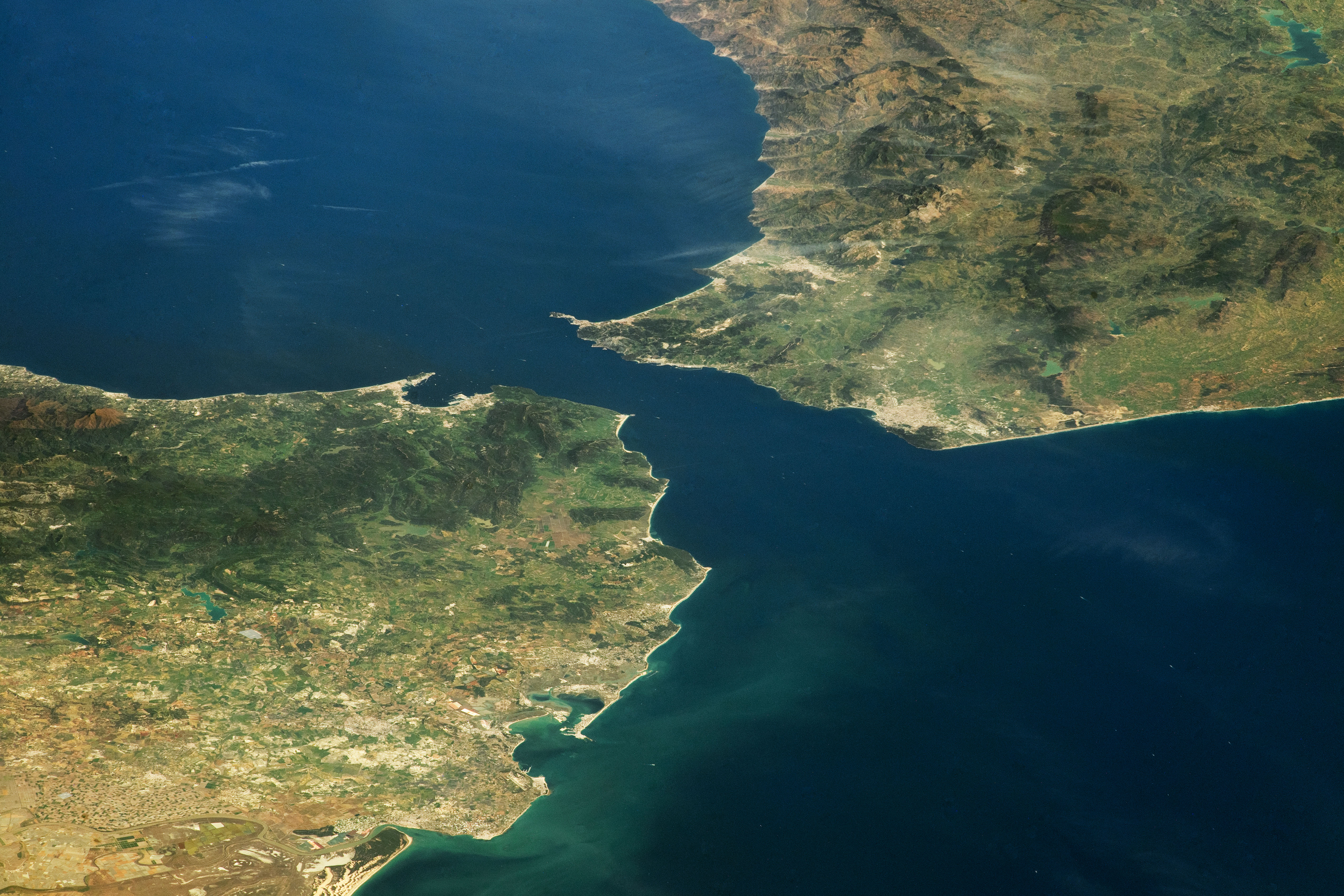
The Strait of Hormuz handles roughly twenty percent of globally consumed petroleum, establishing a high-value vulnerability. Islamic Revolutionary Guard Corps doctrine exploits this concentration through two primary mechanisms:
- Area Denial via Minelaying: Deploying naval mines using small craft or shore-based rocket launchers transforms a clear corridor into a high-risk zone, forcing insurance premiums upward and compelling commercial operators to halt transits regardless of nominal military security declarations.
- Asymmetric Strike Vectors: Utilizing one-way attack drones and anti-ship missiles against commercial hulls creates a persistent threat environment that NATO-aligned naval escorts cannot completely eliminate without suppressing coastal launch infrastructure entirely.
Pre-conflict baseline transits averaged approximately one hundred thirty vessels daily. Current operational metrics demonstrate a severe contraction, with traffic hovering at fractional volumes. This drop stems directly from the risk-adjusted cost functions applied by shipowners and maritime insurers. Even when United States naval forces clear mines from international shipping channels, the presence of mobile, hidden missile batteries on islands like Larak ensures that the threat profile remains elevated.
The Interdiction Feedback Loop
The kinetic cycle follows a predictable escalatory sequence:
- Provocation Phase: Iranian forces prepare or execute minelaying operations or target commercial tankers to enforce regional leverage and protest economic blockades.
- Kinetic Response: United States Central Command executes precision airstrikes against launch platforms, radar sites, or storage facilities to reassert freedom of navigation.
- Retaliatory Asymmetry: Tehran answers with secondary kinetic actions, including ballistic missile salvos directed at regional allied infrastructure or United States military installations in neighboring states.
This loop exposes the logistical strain on modern defense architectures. Intercepting ballistic missiles consumes high-tier interceptor inventories at a financial and operational cost that favors the aggressor's lower-cost manufacturing base. Simultaneously, economic statecraft—such as treasury-led secondary sanctions and port blockades that have redirected or disabled dozens of commercial cargo carriers—operates on a slower timeline than military escalation, creating friction between immediate security needs and long-term strategic coercion.
Strategic Forecast
Future stability in the corridor depends on whether technological countermeasures can neutralize mobile coastal launchers faster than they can be concealed or reconstituted. Because Iran retains deep reserves of short-range munitions and subterranean launch capabilities, military sweeps provide only temporary deterrence. Maintaining permanent transit security requires continuous, high-intensity surveillance and preemptive suppression of all island-based assets along the maritime boundary, locking the region into a permanent state of contested transit.
CENTCOM strike on Iran after attack on cargo ship
This footage provides visual context regarding the precision air operations utilized by Central Command to neutralize targets following commercial vessel disruptions in the Gulf.
http://googleusercontent.com/youtube_content/1