The illusion of peace in the world's most critical energy choke point shattered in less than twenty-four hours. On June 26, 2026, the US military launched targeted airstrikes against Iranian military positions along the strategic waterway. It's a swift, direct retaliation. Just a day prior, an Iranian one-way attack drone slammed into the M/V Ever Lovely, a Singapore-flagged container ship trying to exit the channel.
If you thought the recently signed memorandum of understanding (MOU) between Washington and Tehran would stabilize global energy markets, think again. The ink on the 60-day technical negotiations framework wasn't even dry before the drones started flying. This latest flare-up proves that the conflict over the Strait of Hormuz isn't solved. It's just getting started. Don't miss our recent coverage on this related article.
The Illusion of a Fragile Truce
The Trump administration thought it secured a temporary breather. Last week's MOU was supposed to guarantee safe, toll-free transit through the strait for 60 days while negotiators ironed out a permanent deal. Tanker traffic, which dropped to almost nothing since the air war kicked off in late February 2026, desperately needed that safety guarantee.
It didn't happen. To read more about the context of this, BBC News provides an in-depth summary.
The M/V Ever Lovely took a direct hit to its upper deck while traveling along the southern passage near Oman. President Donald Trump noted that Iran actually launched four drones. US forces managed to knock down three, but one got through. Luckily, no crew members were injured, and the ship kept moving.
But the political damage was done.
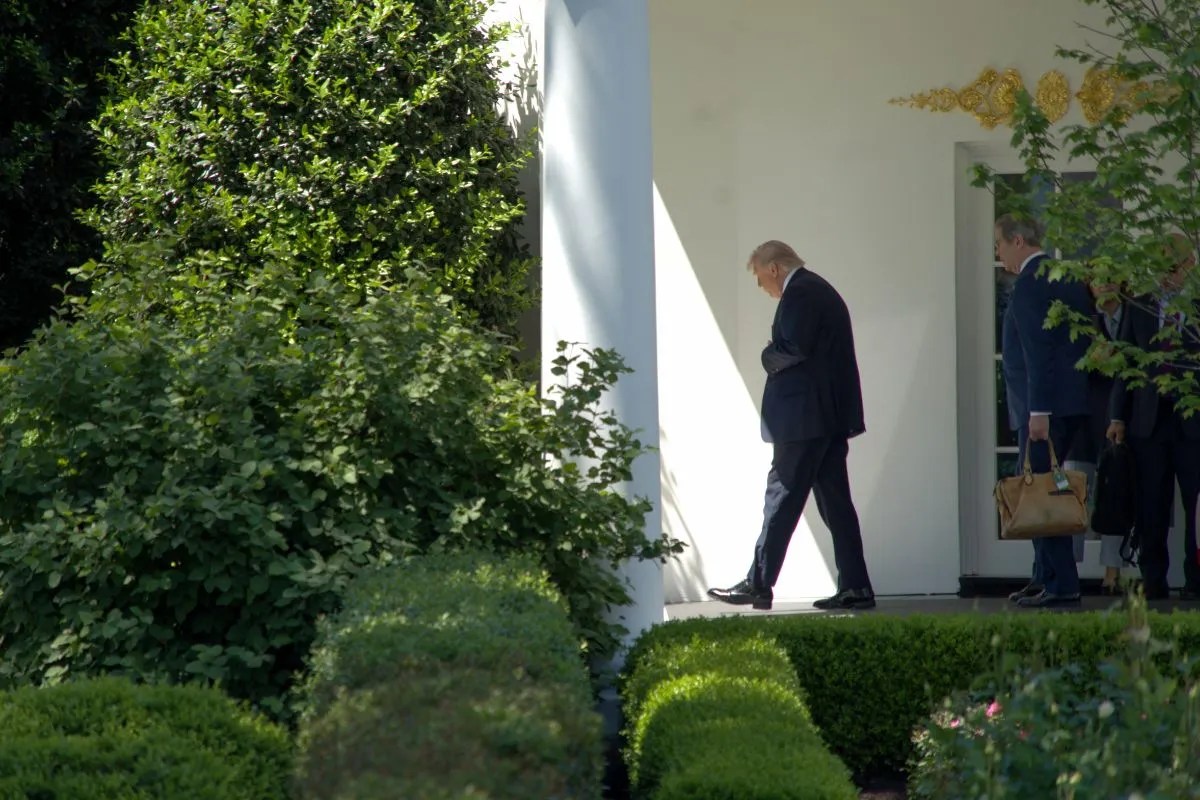
Trump called the attack a "foolish violation" of the ceasefire. Hours later, six American aircraft hit four distinct coastal targets inside Iran. US Central Command (CENTCOM) confirmed the operation targeted missile facilities, drone storage locations, and coastal radar installations. Vice President JD Vance didn't mince words on social media, stating bluntly that "violence will be met with violence."
Why the Passage Rules Make Conflict Inevitable
The real reason this ceasefire failed so spectacularly comes down to a fundamental disagreement on geography and control.
- The US Position: Washington insists on utilizing a southern transit route hugging the coast of Oman, completely bypassing Iranian authority to avoid harassment.
- The Iranian Position: Tehran claims that no ship can pass through the strait without its explicit permission, pushing traffic toward a northern route right next to the Iranian mainland.
The M/V Ever Lovely acted on its own risk assessment. It didn't coordinate with the International Maritime Organization (IMO) or contact authorities in Muscat or Tehran before entering the southern corridor. Iran used that lack of communication as an excuse to pull the trigger.
Following the strike, the IMO paused its broader coordination framework, which was designed to safely evacuate the remaining 500 ships stranded in the Persian Gulf since March. If you're a maritime shipping operator, you're back to square one. Total uncertainty. High insurance premiums. Constant threat of kinetic strikes.
What the Airstrikes Target and What Happens Next
CENTCOM's response wasn't a sprawling campaign like Operation Epic Fury back in February, but it wasn't a slap on the wrist either. The six US aircraft focused heavily on the Iranian coastline and Qeshm Island, a heavily fortified base of operations for the Islamic Revolutionary Guard Corps (IRGC) Navy.
The IRGC claimed on Telegram that it "thwarted" the counterattack on Sirik Island, forcing a American retreat. That's mostly propaganda for domestic consumption. The reality is that the US hit its targets to degrade Iran's ability to track and target commercial ships with land-based radar and anti-ship cruise missiles.
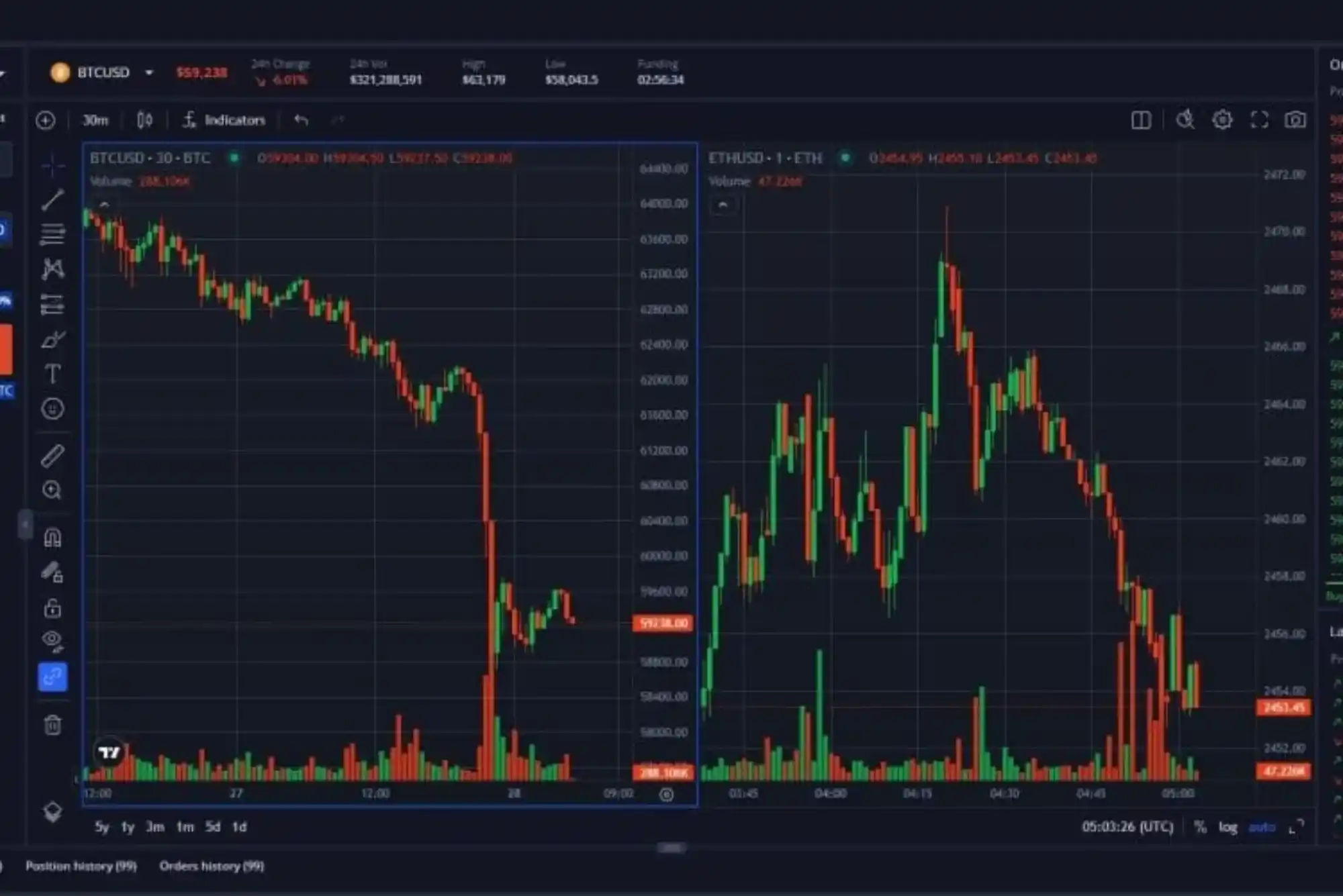
If you are looking at the markets, Treasury Secretary Scott Bessent tried to project calm, suggesting energy markets would stabilize. Don't buy it just yet. While Trump claims a secret mission helped move 100 million barrels of oil through the strait over the past month, that is a fraction of the 600 million barrels that normally flow through here monthly.
The shipping industry cannot survive on piecemeal, secret military escorts. Companies need structural stability, and right now, the Strait of Hormuz remains a shooting gallery. Expect maritime insurers to spike rates again by Monday morning, forcing global shipping firms to take the long, expensive route around Africa.
Concrete Steps for Global Logistics Teams
If your supply chain relies on goods or energy passing through the Middle East, don't wait for the next diplomatic meeting in Islamabad or Geneva to fail.
- Reroute immediately: Treat the Strait of Hormuz as a hot combat zone regardless of daily ceasefire announcements. Factor the 10-to-14-day delay of the Cape of Good Hope route into your baseline scheduling.
- Audit your maritime insurance policies: Look specifically for "War Risk" clauses. Many standard policies won't cover hull damage from one-way attack drones if the vessel failed to follow official IMO evacuation frameworks.
- Diversify energy sourcing: If you're sourcing raw materials or plastics dependent on Gulf petrochemicals, shift your procurement focus to West African or North American suppliers to hedge against prolonged shipping halts.