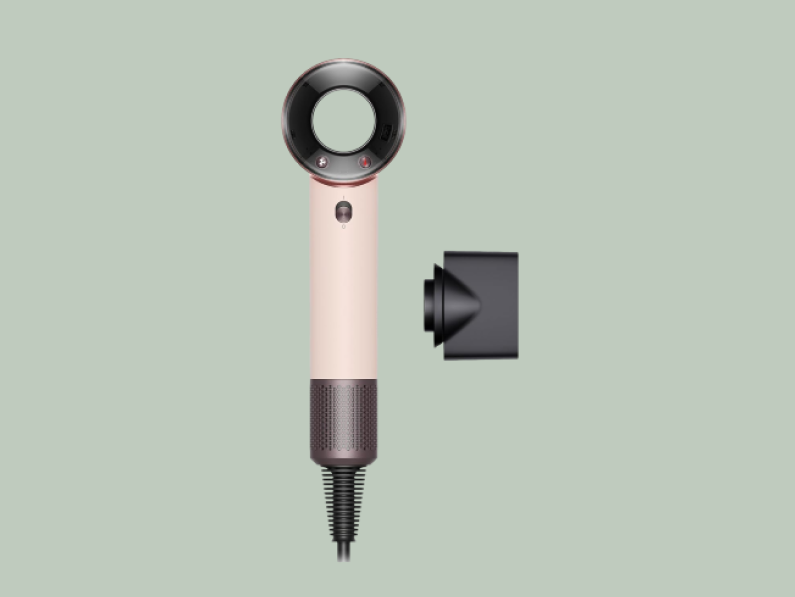
The viral video of an Indian family getting their luggage ransacked by Bali hotel staff is a masterclass in performative outrage. You’ve seen it. The staff pulls out towels, electronics, and even a hairdryer while the guests offer a pathetic "I’ll pay for it" plea. The internet erupted in a predictable chorus of "disgraceful" and "embarrassing."
They are wrong.
The theft isn't the story. The story is a hospitality industry that has spent decades treating its customers like inmates and then acts shocked when they start acting like it. If you’re a hotelier and you’re losing sleep over a missing bathrobe, you haven’t failed at security—you’ve failed at fundamental business psychology.
The Myth of the Innocent Hotelier
Hotels love to play the victim. They cite industry statistics claiming that "theft costs the global hospitality sector over $100 million annually." They use these numbers to justify "incidental" holds on your credit card that could feed a small village and bolted-down hangers that make you feel like you’re staying in a minimum-security prison.
But let’s look at the math. A high-end hotel buys bathrobes in bulk for roughly $15 to $25. They charge $400 a night. If a guest stays three nights, that’s a $1,200 transaction. If they walk away with a $20 robe, the hotel hasn't lost its shirt; it has lost a fraction of its margin on a customer who likely won't return anyway.
The real crime isn't the theft. It’s the friction. By treating every guest as a potential shoplifter, hotels create a hostile environment that practically invites rebellion. When you bolt the television to the wall and put sensors on the minibar that charge you $12 for accidentally moving a Snickers bar, you aren't "protecting assets." You are declaring war on the guest's dignity.
The Bali Incident Was a Failure of Branding
In the Bali video, the guests were caught with a hairdryer. A hairdryer. That is a heavy, clunky, used piece of electronics that probably retails for $30.
Why would someone with enough money to fly a family to Indonesia and stay at a resort risk international humiliation for a used hairdryer?
Because the hotel failed to make the guest feel like a patron. They made them feel like a user.
In my years consulting for luxury brands, I’ve seen this play out repeatedly. When a brand creates a sense of belonging, theft drops. When a brand creates a sense of "us vs. them," theft becomes a game. The guests in that video weren't just stealing; they were subconsciously "balancing the scales" for every hidden resort fee, every overpriced breakfast buffet, and every $9 bottle of water they encountered during their stay.
The High Cost of Petty Security
Let’s talk about the E-E-A-T (Experience, Expertise, Authoritativeness, Trustworthiness) of the situation. I’ve seen hotels spend $50,000 on high-tech inventory tracking systems—RFID tags in towels, weight-sensitive shelves—to save $5,000 a year in "leakage."
It’s a net loss.
Beyond the capital expenditure, you’re paying a "trust tax." Every time a staff member has to "check the room" while a guest waits at the front desk to check out, you are burning brand equity. You are telling that guest: "We don’t trust you to leave our property without stripping the copper from the walls."
Compare this to the Ritz-Carlton model. Their "Gold Standards" empower employees to spend up to $2,000 per guest, per day, to resolve any issue without asking a manager. That’s not just about fixing a broken AC; it’s about creating an atmosphere of radical trust. If you treat a person like royalty, they are significantly less likely to shove a doormat into their suitcase.
Stop Trying to Fix the Guest
The "People Also Ask" sections of travel forums are filled with questions like "How do hotels know if you took something?" or "What happens if I accidentally pack a towel?"
These questions exist because the industry has cultivated a culture of fear.
The contrarian solution isn't better surveillance. It’s better productization.
If guests are stealing your robes, your robes are your best marketing tool. Put a price tag on them. Not a hidden one in a dusty binder, but a visible one. "Love this robe? Take a fresh one home for $75." Better yet, include the cost of the "stolen" goods in the room rate and tell the guest the amenities are theirs to keep.
Imagine a hotel that says: "The umbrella, the tote bag, and the plush slippers are our gift to you." Suddenly, the "thief" is now a brand ambassador walking through an airport with your logo visible to thousands of people.
The Cultural Fallacy
The commentary on the Bali video was rife with "This is why [insert nationality] tourists have a bad reputation."
This is lazy, borderline xenophobic nonsense. Theft in hotels is a global, cross-cultural phenomenon. A study by a British travel site found that 68% of travelers admitted to pinching something from a hotel. This isn't a "certain type of person" problem. This is a human psychology problem.
We take things because of a psychological concept called "loss aversion." We feel the sting of the $250 "resort fee" more than we value the "free" amenities. Taking the hairdryer is an attempt to regain a sense of value.
The Professional Price of Moral Outrage
If you are a travel influencer or a "lifestyle expert" joining the mob to shame these tourists, you are missing the point. You are defending a multi-billion dollar industry that would replace you in a heartbeat for a 1% increase in RevPAR (Revenue Per Available Room).
The hotel in Bali chose to record that confrontation and let it go viral. They chose to humiliate their guests rather than handle it quietly and professionally. That is a massive failure of hospitality. True luxury is discreet. If a guest at a real five-star establishment tries to walk out with the silver, the staff stops them quietly, offers to ship it to their home for a fee, and never mentions it again.
Public shaming is a tool for mid-tier brands with low-tier aspirations.
The New Rules of Asset Management
If you want to stop losing towels, stop buying towels that people want to steal—or start selling them so well that you hope they take them.
- The Souvenir Strategy: Design your high-theft items (towels, robes, umbrellas) to be high-quality and branded. Treat them as a marketing expense.
- The Honor System 2.0: Stop the "room check" at checkout. It is the single most insulting moment in the guest journey.
- The All-Inclusive Mindset: Stop nickel-and-diming for "extras." When a guest feels they are getting a deal, they don't feel the need to "steal back" their money.
The hospitality industry is at a crossroads. You can continue down the path of becoming a high-security warehouse for humans, or you can return to the actual business of being hospitable.
The family in Bali was wrong to take the hairdryer. But the hotel was worse for making them want to.
If your business model relies on the integrity of a $5 doormat, you don't have a business. You have a hobby that's prone to shoplifting. Stop crying about your "stolen" inventory and start wondering why your guests feel like they need to steal from you to get their money’s worth.
Hospitality is dead the moment you start looking at your customers as suspects.