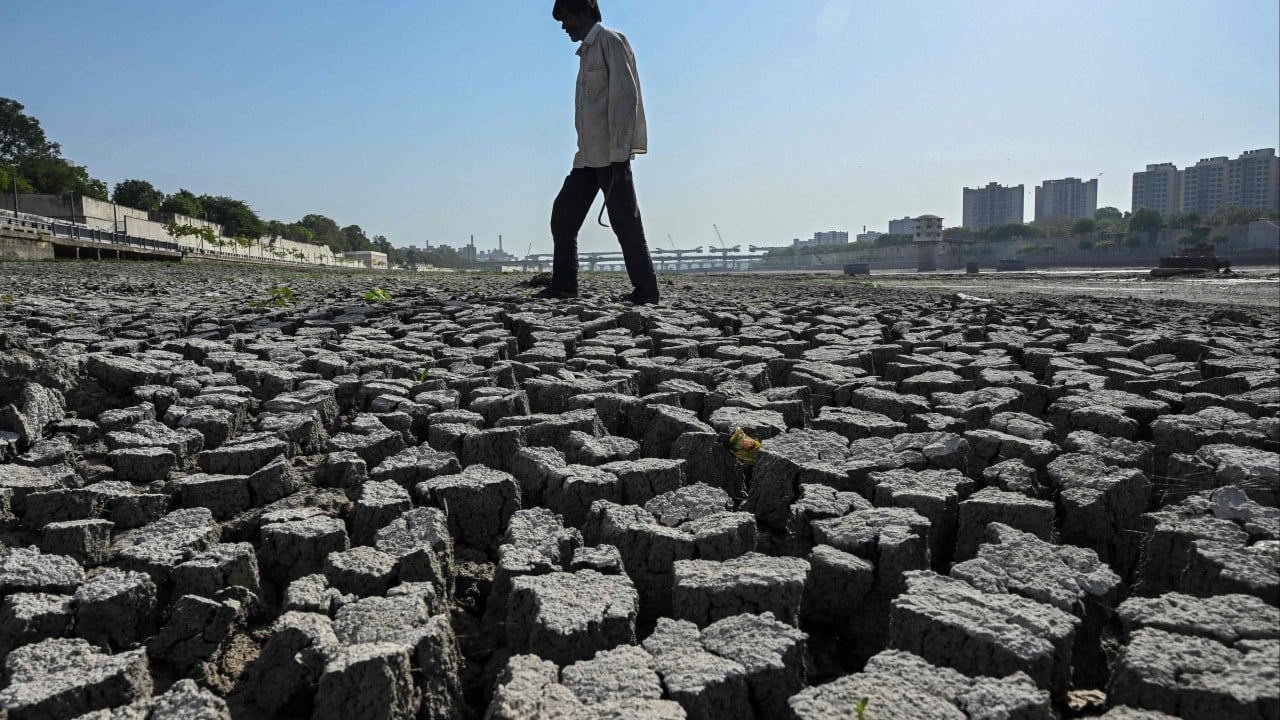
The standard "water crisis" narrative in South Asia is a masterpiece of intellectual laziness.
Open any policy paper from Delhi to Dhaka and you will find the same tired tropes. They cry about "scarcity." They beg for "conservation." They treat water as a moral obligation rather than a liquid asset. This obsession with saving every drop is exactly why the region is drying up.
South Asia doesn’t have a water quantity problem. It has a pricing and infrastructure suicide pact.
The "lazy consensus" argues that because South Asia holds nearly a quarter of the world's population but only 4% of its water resources, the only solution is to tighten the belt. This is wrong. Singapore has almost no natural water and is a global hydro-hub. Israel sits in a desert and exports water technology. The difference isn't the rain; it's the refusal to treat water as a free lunch.
The Myth of the Thirsty Farmer
Policy wonks love to blame the "uneducated" farmer for over-extracting groundwater. That’s a lie. Farmers aren't stupid; they are rational actors responding to insane incentives.
When a government provides free electricity for tubewells and sets high procurement prices for water-intensive crops like paddy and sugarcane in semi-arid zones, the "crisis" is a deliberate policy choice. In Punjab and Haryana, we see a literal race to the bottom of the aquifer. Not because farmers hate the environment, but because the state has made it financially irresponsible to do anything else.
If you give away a commodity for free, people will waste it. It is the most basic law of economics, yet we pretend it doesn't apply to the Indo-Gangetic Plain.
Drip irrigation isn't failing to scale because it's "too complex." It’s failing because why would a farmer invest in $2,000 worth of hardware to save a resource that costs him $0? You cannot "foster awareness" (to use a term I despise) when the math says "pump more."
Treat Water Like Data Not Like Gold
The competitor’s view of water is archival—they want to store it, save it, and protect it. This is the "Gold Standard" mentality. In a modern economy, water should be treated like data: it needs to flow, be recycled, be priced based on latency (availability), and be moved to where it generates the highest value.
We currently prioritize "Social Water" (giving it away for optics) over "Economic Water." When you fail to price water for industry, you don't attract business; you attract inefficient, high-risk business.
I have seen textile plants in Bangladesh and tanneries in Kanpur operate with water-to-product ratios that would be laughable in Europe or China. They aren't being "competitive." They are being subsidized by the future health of their own cities.
The Real Cost of "Free"
- Infrastructure Decay: If utilities can't charge for water, they can't maintain pipes.
- Non-Revenue Water (NRW): In many South Asian cities, 40% to 50% of treated water leaks out of the system before it hits a faucet.
- The Tanker Mafia: By refusing to charge a fair market price for piped water, governments have created a black market where the poorest citizens pay 10x the "official" rate to private tankers for low-quality water.
The "equity" argument for free water is the biggest scam in the region. It ensures that the rich get subsidized tap water to wash their SUVs while the poor pay a "poverty premium" to criminals in the street.
The Transboundary Boogeyman
Every time a seasonal drought hits, the geopolitical theater begins. India blames China. Pakistan blames India. Bangladesh blames everyone upstream.
This nationalist chest-thumping is a convenient distraction from domestic failure. The Indus Waters Treaty and the Ganges Treaty are treated like sacred texts or declarations of war, but they are both fundamentally flawed because they focus on volumetric sharing rather than value sharing.
We are arguing over how many cusecs of silt-heavy water cross a border instead of building integrated, transboundary power grids and data-sharing networks that would make the water more valuable to everyone.
Imagine a scenario where upstream nations are paid not for the water itself, but for the "environmental services" of keeping that water clean and the flow predictable. Currently, there is zero incentive for an upstream actor to manage a watershed properly if the downstream actor is just going to complain regardless of the outcome.
The Desalination Delusion vs. The Wastewater Goldmine
The "shiny object" syndrome is hitting South Asia hard. Politicians love announcing massive, energy-sucking desalination plants because they look like progress. They aren't.
Desalination is a last resort for places with no other options. South Asia is literally drowning in wastewater.
In Karachi or Mumbai, billions of liters of "greywater" are dumped into the ocean every single day. This isn't waste; it's a constant, drought-proof river running right under our feet. But because we have a cultural "yuck factor" and a total lack of regulatory courage, we ignore the cheapest source of new water available.
Direct Potable Reuse (DPR) is the only way forward for megacities. If it’s good enough for astronauts and the citizens of Windhoek, Namibia—who have been drinking recycled sewage since 1968—it is good enough for Delhi.
Stop Funding "Projects" and Start Funding "Outcomes"
The World Bank and the ADB love "projects." They love a big dam or a new treatment plant. These are monuments to 20th-century thinking.
We need to pivot to "Performance-Based Contracts." Don't pay a company to build a pipe. Pay them for every liter of water they successfully deliver to a household that was previously off the grid. Pay them for every percentage point they shave off the NRW (leakage) rate.
If you want to solve the water crisis in South Asia, you don't need more "prioritization." You need to:
- De-link Electricity and Water: End the free power for tubewells immediately. Replace it with direct cash transfers to small farmers so they have the capital to switch to high-value, low-water crops.
- Universal Metering: No exceptions. If you can't measure it, you can't manage it. Even the "slums" should be metered—it's the only way to break the power of the tanker mafias.
- Corporatize Utilities: Take the water board out of the hands of the bureaucrats and run it like a telecom company.
- Price the Risk: Use satellite data and AI to create real-time "Water Risk Premiums" for industries. If you want to build a factory in a high-stress zone, your water rates should reflect the impending catastrophe.
The Hard Truth About "Priority"
The competitor says water must be a "top priority." That is a meaningless statement. Everything is a priority until it costs someone a vote or a rupee.
The real priority is admitting that the era of "limitless water" is over and the era of "expensive water" has begun. The countries that embrace high prices today will have water tomorrow. The countries that keep chasing the "social water" dream will find themselves with empty taps and a bankrupt treasury.
South Asia doesn't need more treaties or more "awareness." It needs a cold, hard dose of market reality. Stop trying to "save" water and start charging for it.