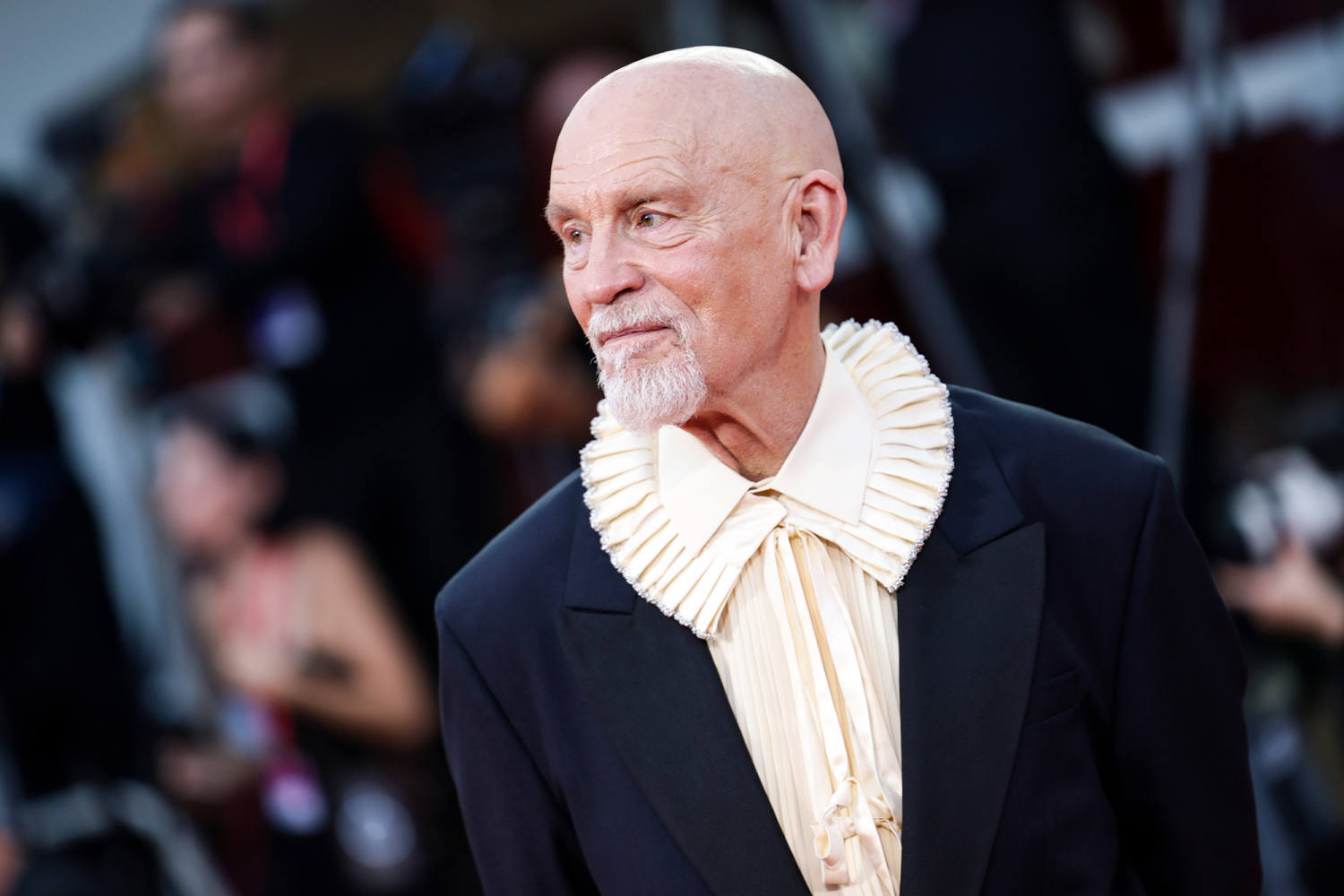
John Malkovich pulling a show in Tel Aviv because a local promoter allegedly put words in his mouth makes for neat, digestible headlines. The lazy consensus writes itself: a principled artist stands against geopolitical exploitation, pulls the plug on a controversial market, and scores a moral victory for human rights. It is a comforting narrative for an industry that loves to pretend art floats above the crude mechanics of supply and demand.
It is also complete nonsense.
I have spent two decades watching high-profile booking scandals from the inside. I have sat in green rooms while agents panic over optics, publicists spin fabricated press releases into free publicity, and promoters roll the dice on volatile overseas markets. Let us clear away the romantic fog right now. Celebrities do not cancel international engagements because they woke up with a sudden, profound awakening regarding Middle Eastern diplomacy. They cancel because the cost-benefit analysis of the room inverted overnight.
When a promoter fakes a statement attributing political stances to an actor of Malkovich's stature, the immediate casualty is not diplomatic nuance. It is control. In the upper echelons of global talent management, control is the only currency that matters. Malkovich did not pull out of Tel Aviv because he suddenly became a geopolitical expert; he pulled out because a promoter tried to spend his personal brand currency without his permission, turning him into an involuntary prop in a regional information war.
Let us look at the mechanics of international touring agreements. Every major rider contains stringent clauses about unauthorized endorsements and misrepresentation. When a local promoter manufactures quotes or twists a standard booking agreement into a political loyalty test, they breach the fundamental trust of the contract. The cancellation is not an act of political defiance. It is a corporate damage-control maneuver disguised as activism.
The public desperately wants to believe that actors, musicians, and filmmakers possess moral compasses that operate independently of their box office percentages and insurance policies. We project our own anxieties onto famous faces, treating a contractual dispute or a public relations blunder as a profound philosophical statement. This is a category error of the highest order.
Consider a scenario where Malkovich’s team discovered the fabricated statement a week before the box office opened to quiet ticket sales. How quickly do you suppose that moral outrage would have materialized if the venue had been completely sold out at double-ticket prices? We all know the answer. Money doesn't smell, but bad publicity reeks, and publicists know how to sniff out a losing PR battle before it hits the trades.
The real story here is not about Israel, Palestine, or theatrical boycotts. It is about the absolute amateur hour of local concert promotion in secondary and tertiary international markets.
The Myth of the Political Artist
We live in an era that demands every public figure declare allegiance to a tribe on every conceivable issue. Audiences treat actors like diplomats and pop stars like senators. This is a trap built by social media algorithms and enabled by lazy entertainment journalists who cannot distinguish between a box office projection and a moral crusade.
When an artist cancels a show, the internet splits into predictable factions. One side hails the cancellation as a heroic stand for justice. The other condemns the artist as a coward yielding to mob pressure. Both sides are wrong because both sides refuse to accept the mundane reality of the entertainment business: logistics dictate ideology.
I’ve watched management agencies panic when a regional promoter goes rogue. The moment a local partner prints fabricated quotes, the legal department doesn't consult Amnesty International; they consult liability insurance and reputational risk models. If a statement implies an endorsement that alienates fifty percent of an actor's global streaming audience or future co-producers, the show is dead before the ink dries on the termination notice. It has nothing to do with conscience and everything to do with balance sheets.
To understand why this happens repeatedly, you have to look at the economic desperation of promoters working in high-risk zones. When ticket sales stall or political friction threatens attendance, desperate promoters resort to desperate measures. They manufacture enthusiasm. They invent endorsements. They try to anchor a struggling event to a celebrity's personal gravity, assuming the star will swallow the false statement to avoid the mess of a cancellation.
They miscalculated. Malkovich’s team called their bluff.
Why the Press Gets It Wrong Every Time
Entertainment journalism is lazy by design. Reporters want heroes and villains, black hats and white hats, clean narratives that fit neatly into a three-paragraph newsletter. Analyzing contract law, indemnity clauses, and international tour underwriting does not generate clicks. Writing about moral courage does.
So the media frames every international cancellation through the lens of geopolitics. They turn complex booking disputes into morality plays. By doing so, they infantilize the artists they cover and mislead the public about how global commerce actually functions.
When a major star pulls out of a gig in Tel Aviv, London, or Los Angeles, look past the breathless statements about solidarity and values. Follow the risk assessment. Look at the insurance underwriters. Look at the streaming partners who care infinitely more about quarterly shareholder reports than regional territorial disputes.
The artists aren't heroes. The promoters aren't masterminds. They are business entities managing risk in an increasingly hostile, hypersensitized global market.
Stop looking for saints on a festival lineup poster. You're just paying to watch professionals protect their portfolios.