Every travel publication and science blog on the planet is currently foaming at the mouth over the upcoming total solar eclipse hitting Spain, Iceland, and Greenland. The mainstream narrative is simple, lazy, and completely uninspired: This is a once-in-a-century spectacle you cannot afford to miss. Millions of dollars are pouring into local tourism boards. Flights are booked out. Hotel rates in rural Spanish hamlets are surging past luxury suite prices in Madrid.
It is mass hysteria manufactured by people who mistake marketing hype for astronomical reality.
I have chased shadows across four continents, stood on freezing salt flats, and sweated through jungle humidity just to watch the moon block the sun for a few fleeting minutes. And I am here to tell you that treating these astronomical events as bucket-list tourism milestones is a fool's errand. You are paying a heavy stupidity tax for the privilege of standing in a traffic jam in Aragon while the clouds roll in precisely three minutes before totality.
Let us dismantle the myth.
The Geography Trap Nobody Talks About
The headline screams that this is the first total solar eclipse to hit Spain, Iceland, and Greenland in nearly a century. That sounds historic. It sounds like an imperative command to pack your bags. It is also deeply misleading.
A total solar eclipse happens somewhere on Earth roughly every eighteen months. They are not rare. They are merely distributed across a vast, mostly oceanic globe. When one intersects landmasses inhabited by humans, travel industry opportunists seize the moment to turn basic orbital mechanics into a high-priced VIP experience.
Let us look at the geography of the upcoming paths.
Iceland in August is a meteorological gamble of epic proportions. The country’s average cloud cover during the summer months hovers stubbornly around seventy percent. You are paying astronomical prices for flights and campervan rentals to gamble against North Atlantic weather patterns. If a low-pressure system parks itself over Reykjavik on eclipse day, you will experience a gloomy afternoon indistinguishable from a standard Tuesday, minus your life savings.
Spain fares slightly better statistically, but logistically it is a nightmare. The path of totality cuts across regions with specific microclimates and rugged terrain. Millions of tourists are funneling into narrow highway corridors. Rental car fleets will buckle. Local infrastructure will groan. You will spend four hours crawling down a two-lane agricultural road, sweating in a rental sedan, just to watch the sun disappear behind a dusty ridge while blocking your own view with the smartphone you pulled out to capture a moment you should have been experiencing with your own eyes.
Why the Tourism Board Is Lying to You
Travel writers love to talk about the "otherworldly chill" and the "shadow bands racing across the ground." They sell a spiritual awakening.
Here is the unvarnished truth from someone who has watched crowds hyperventilate during totality: ninety percent of the people standing in those fields are staring at a five-inch glass screen. They spend two minutes fumbling with camera settings, missing the actual coronal display entirely, only to upload a grainy, purplish smudge to Instagram that looks like a dirty saucer against a grey sky.
The tourism industrial complex relies on scarcity economics. They take a predictable, recurring celestial alignment and frame it as a rare cultural artifact. They do not tell you about the logistics failure of rural sanitation systems when thirty thousand eclipse-chasers descend on a village of four hundred people. They do not mention the sheer annoyance of totality traffic, where polite international tourists turn into aggressive gridlock warriors because everyone is trying to exit the exact same rural valley at the same time.
The Superior Alternative
If you actually want to experience a total solar eclipse without getting fleeced by hospitality cartels, stop following the herd to overcrowded tourist traps.
The smartest observers do not book boutique hotels in major European destinations for these events. They look at mobility. They rent unmarked vehicles away from primary tourist hubs, monitor satellite weather feeds up to twelve hours prior, and maintain total tactical flexibility. If the forecast in northern Spain looks dicey, they drive four hours east or south into clear skies.
Better yet, change your perspective on what an eclipse trip should be. Treat it as an expedition, not a vacation. If your primary goal is a luxury holiday with good wine and comfortable beds, stay home and book a spa weekend. Do not drag yourself to the edge of the Arctic Circle or the dry interior of Spain just to participate in a global exercise in crowd anxiety.
The Cost of Manufactured Urgency
Let us talk numbers. When a major celestial event hits a desirable European destination, airfares spike by three hundred percent. Rural lodging that normally costs eighty euros a night suddenly demands four hundred euros minimum, often tied to mandatory three-night or five-night packages.
You are paying peak-season monopoly prices for substandard accommodations because travel operators know you have FOMO.
Imagine a scenario where you spend three thousand dollars on a specialized eclipse tour to Iceland, dodge tour buses at every designated viewing point, get socked in by thick coastal fog, and spend your entire afternoon staring into a blindingly white wall of mist. That is not an adventure. That is a tax on poor planning and susceptibility to hype.
The universe does not care about your itinerary. The moon does not pause its orbit because you paid a premium for a boutique yurt in Greenland.
The Real Value of the Shadow
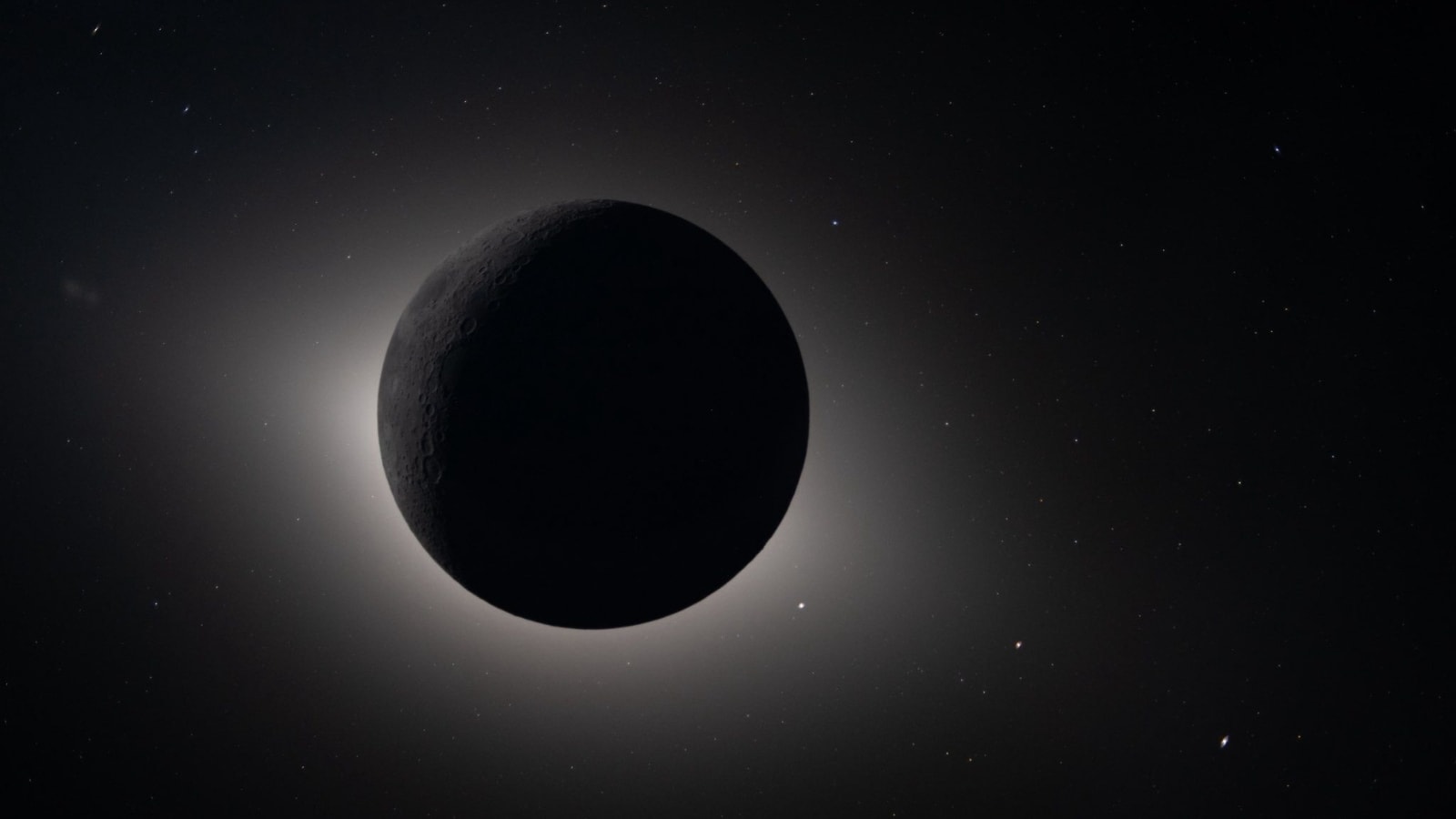
There is genuine scientific and aesthetic value to witnessing totality. The drop in temperature, the sudden silence of local wildlife, the pearly white tendrils of the solar corona snapping into view around a pitch-black disk—it is genuinely humbling.
It is also an experience that requires absolute stillness and focus. You cannot achieve that state of mind while dodging tour groups, fighting for parking space behind a gas station in rural Iberia, or worrying about whether your hotel reservation is going to get canceled due to overbooking.
The obsession with these specific geographic locations—Spain, Iceland, Greenland—is a triumph of PR over common sense. The shadow will fall where it falls. The Earth will rotate.
Stop treating astronomy like a music festival lineup. Stop falling for the century-old rarity myth. If you want to see the sky go dark, do it on your own terms, with a vehicle that moves, a flexible schedule, and zero expectations of luxury. Otherwise, save your money, stay home, and let the tourists fight over the last overpriced sandwich in Reykjavik.