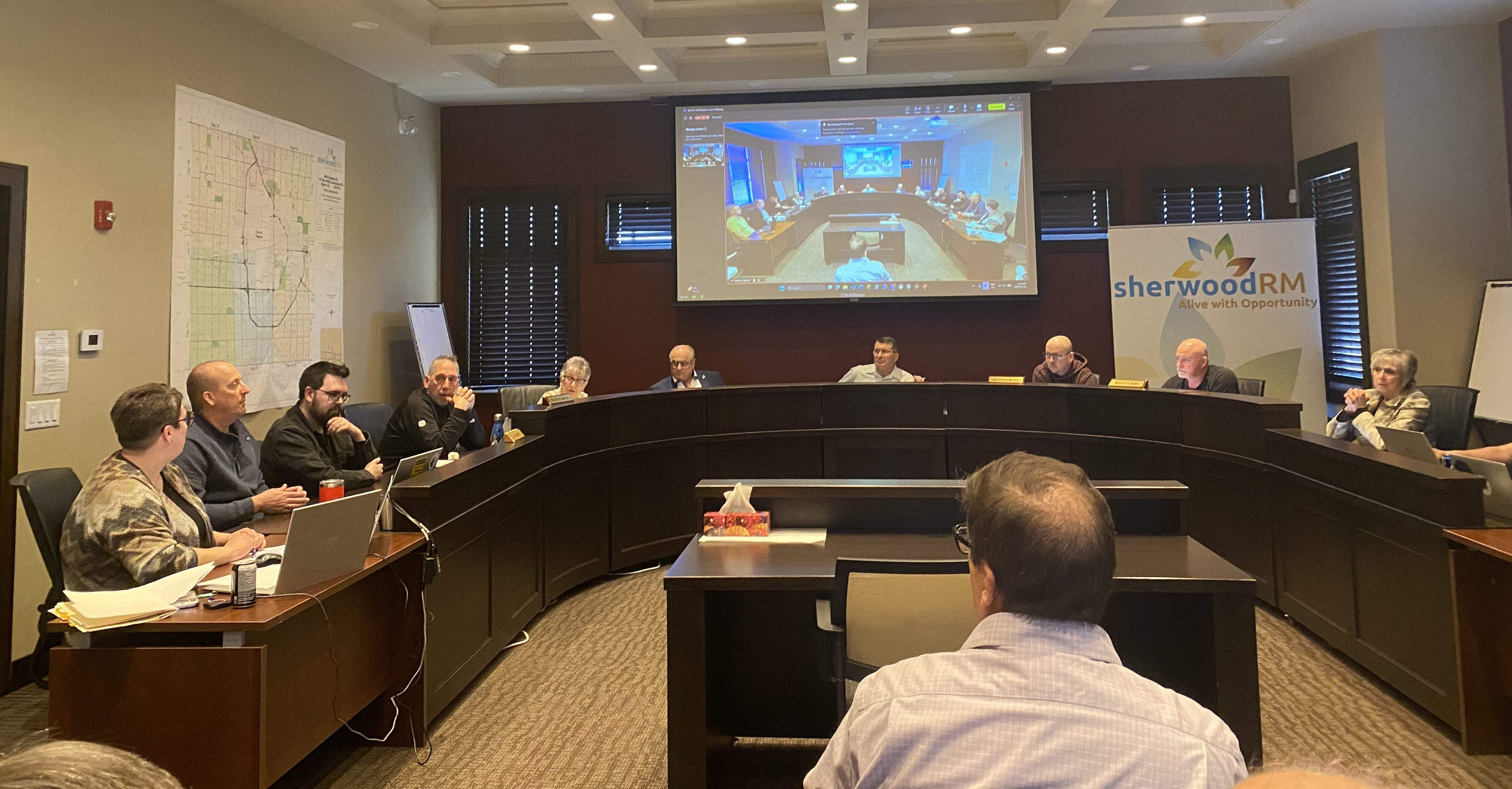
The scene at the council chambers was the standard theater of local bureaucracy. A group of vocal residents, armed with printed placards and righteous indignation, gathered to block yet another data center proposal. They spoke of noise, of "industrial eyesores," and of an ill-defined fear regarding "AI" consuming the town's resources. The council, desperate to look like they listen to the voters, hemmed and hawed before eventually pushing the approval through.
The protesters lost the battle, but the entire framing of the war is wrong. If you enjoyed this post, you should look at: this related article.
You are likely looking at this news and nodding along, thinking about your property values or the vague concern that your local grid might buckle. You are wrong. If you want the modern digital economy to function—if you want to stream video, work from home, or keep your banking apps running without latency—you need these buildings.
I have spent two decades watching companies hemorrhage capital on site selection, fighting municipal boards that treat server racks like chemical weapons plants. The opposition to Bell’s new facility isn't civic engagement. It is expensive, shortsighted obstructionism. For another angle on this development, refer to the recent update from Wired.
The NIMBY Illusion
The primary argument against these facilities is that they are "quiet destroyers" of neighborhood character. This is laughable. A data center is, by definition, the most boring neighbor you could possibly have. It is a windowless, high-security vault. It emits less noise than a suburban lawnmower. It generates zero foot traffic. It does not produce pollution in the way a manufacturing plant does.
Yet, watch the reaction. You would think the company was proposing a toxic waste dump.
The hypocrisy is breathtaking. The same people protesting the data center are the ones demanding five-gigabit internet speeds and instantaneous cloud access for their devices. You cannot have both. You cannot demand the convenience of a hyper-connected world while attacking the physical infrastructure that makes that world possible.
These facilities are the plumbing of the 21st century. When you turn on your tap, you expect water. You do not protest the existence of the water treatment plant. You do not demand that the pipes stay in the next town over. But when the "water" is digital data, suddenly the pipes become offensive.
The Energy Myth
Let us dismantle the energy argument. Every time a new high-density computing center is announced, the local chorus starts screeching about power consumption. They act as if the facility is a black hole sucking electricity away from schools and homes.
The reality is far more nuanced. These facilities operate on massive, wholesale electricity contracts. They often fund the expansion of local grid infrastructure—upgrades that benefit the entire municipality. When Bell or similar entities come into an area, they foot the bill for substation upgrades and transmission capacity that the local utility was planning to defer for decades.
Do they consume power? Yes. But they also drive the economies of scale that allow utilities to manage demand more efficiently. If you want to see grid stress, look at the summer months when every house in the neighborhood is running central air conditioning, not a facility designed for extreme efficiency.
The Cooling Complexity
The other frequent complaint involves water usage. Data centers need to shed massive amounts of heat. In the past, this meant evaporation-based cooling systems that drained local reserves.
That industry practice is dead.
Modern facilities, particularly those designed for the density required by large language models, use closed-loop liquid cooling and advanced thermal management systems. They consume a fraction of the water that older designs did. Critics ignore this, opting to trot out ten-year-old statistics because it fits the narrative of a "resource-sucking beast."
If you are going to protest, at least update your research. You are fighting the technology of 2015.
The Zoning Disaster
The deeper problem isn't the company or the citizens. It is the municipal planning system itself.
Councils are ill-equipped to handle modern industrial requirements. They treat data centers like standard commercial real estate. They try to fit them into zones meant for retail shops or warehouses. This is why the friction exists. We are forcing global digital infrastructure into a box designed for the 1950s.
When I have sat in these boardrooms, I have seen the confusion in the eyes of local planners. They do not understand the technical requirements of fiber backhaul, power density, or latency. They rely on the loudest voices in the room to make decisions. This creates a cycle of litigation and bureaucratic gridlock that drives up the cost of digital infrastructure.
Who pays for that added cost? You do. When a company spends three years fighting a zoning battle, that capital has to be recouped. That cost is baked into the price of the services you use every day. Every protest adds a "friction tax" to the cost of your internet subscription.
The Economic Reality
Let us talk about the money. Protesters focus on what the town "loses." They never look at the tax base.
A data center is a gold mine for a municipality. It requires almost zero services. It does not send children to local schools. It does not require road repairs or garbage collection. It sits there, pays a massive commercial tax bill, and provides high-paying jobs for a small, specialized workforce.
It is the perfect tax base addition.
Yet, town halls act like they are being coerced into a bad deal. If you really want to lower your property taxes, you should be begging these companies to build in your backyard.
The AI Boogeyman
The protest at Bell’s site specifically mentioned "AI." This is the current boogeyman. People treat the term "AI Data Centre" as if it were a laboratory creating Skynet.
It is not. It is a server room with more GPUs.
The computational density required for modern processing is high, yes. That is why it needs a dedicated facility. The fear is entirely performative. It is a lack of understanding masked as moral superiority. People are terrified of what they do not comprehend, and rather than learning the physics of computing, they choose to hold up signs.
The Consequences of Success
Imagine a scenario where the protesters actually win. They block the construction. They drive the company to another town, another state, or another country.
What happens then?
- Latency spikes: You move the data further away from the user. Signal propagation delay is a physical reality. Your apps get slower.
- Infrastructure decay: The grid upgrades that would have been funded by the company's investment do not happen. Your power bill goes up because the utility has to shoulder the cost of the upgrade itself.
- Digital isolation: The town becomes a backwater for digital traffic. Investors look for paths of least resistance. They will avoid your town for the next twenty years.
You are not "saving the community." You are creating a digital dead zone.
How To Actually Fix It
If you want to be a productive member of your community, stop showing up to council meetings to complain about "industry." Start demanding better zoning.
Advocate for dedicated, high-density power and fiber corridors that are specifically designated for utility-scale infrastructure. Stop forcing these facilities into contested land use. Create the proper environment for the backbone of the internet to exist, and you will stop the friction.
We need to stop treating digital infrastructure as a foreign invader. It is the foundation of your life.
The protesters who gathered at that council meeting might feel like heroes today. They might feel they protected their streets from "Big Tech."
They protected nothing. They only managed to make the next ten years of their digital lives slightly more expensive, slightly slower, and significantly more fragile.
If you are a city planner or a local politician, learn the difference between a nuisance and a necessity. If you are a resident, look at your phone, think about the data traveling through the ether to reach it, and realize that it has to land somewhere.
Stop pretending you want the benefits of the digital age without the physical reality of the machines that make it run. Build it, or watch your region become obsolete while the rest of the world moves on without you.