Most physical gifts end up in a drawer by February. Think about the last three birthday presents you received—can you even name them? Probably not, because objects lose their shine the second they become part of your daily background noise.
Experiential gifts work differently. Psychologists Thomas Gilovich at Cornell University and Amit Kumar at the University of Texas at Austin have spent decades studying why experiences beat material possessions for long-term happiness. Their research shows that we adapt quickly to physical things, while memories actually improve over time through storytelling and shared anticipation. When you give someone an event, a skill, or a trip, you aren't handing them another item to dust. You're giving them a story they'll bring up at dinner parties five years from now. For an alternative look, see: this related article.
The problem? Most "experience gift" lists are painfully lazy. They tell you to buy a generic spa voucher or a vague restaurant gift card and call it a day. That's a cop-out. A great experiential gift requires matching the activity to the person's actual personality, removing the logistical friction so they actually use it, and picking something they wouldn't easily buy for themselves.
Why Most Experiential Gifts Fail Before They Happen
You've seen it happen. Someone gets a skydiving voucher or a generic weekend getaway box, tucks it into their wallet, and never books the date. According to various consumer reports on gift card and voucher breakage, billions of dollars in prepaid experiences and cards go unredeemed every year because the recipient gets stuck with the administrative homework. Further analysis on the subject has been published by ELLE.
If you hand someone a certificate that requires them to call a 1-800 number, navigate blackout dates, and pay hidden booking fees, you haven't given them a gift. You've given them a chore.
Here is how you fix that immediately. Whenever possible, book a specific date that you already cleared with their partner or checked against their calendar, or choose platforms with flexible digital rescheduling like Airbnb Experiences, Virgin Experience Gifts, or local independent studios that let you transfer credits easily. Better yet, include a physical prop that represents the activity—a wooden spoon for a pasta-making class, or a trail map for a guided hike—so they still have something tactile to unwrap.
Hands-On Culinary and Drink Classes That Beat a Nice Dinner
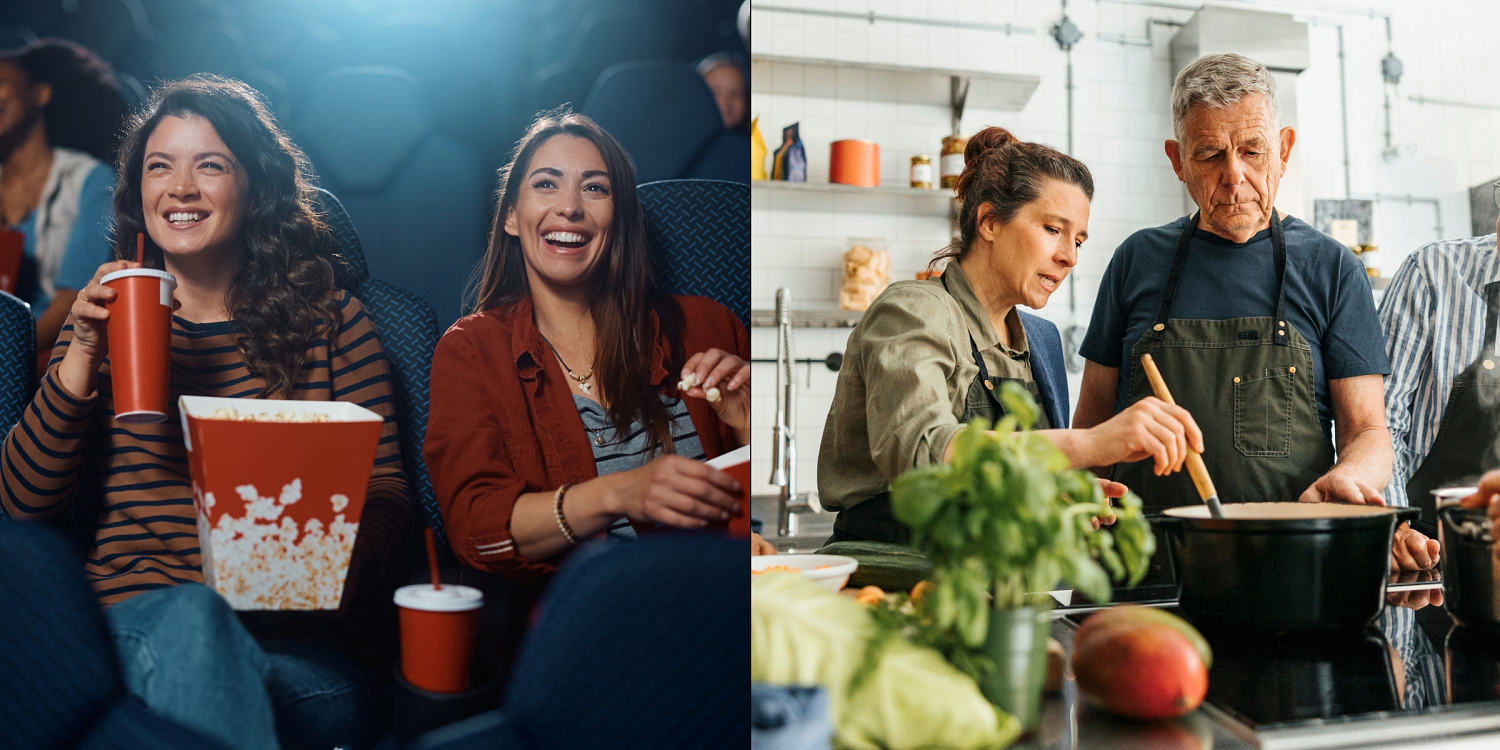
Taking someone out to an expensive restaurant is nice, sure. Once the check is paid, though, the night is over. A cooking or mixology class gives them the meal plus a permanent skill they'll use in their own kitchen every week.
Regional Pasta or Dumpling Workshops
Skip the generic "date night cooking" classes that teach basic pan-seared chicken. Look for hyper-specific workshops taught by immigrant chefs or specialized culinary schools. Learning how to hand-fold xiaolongbao (soup dumplings) or roll out fresh tagliatelle with a brass cutter changes how someone cooks forever. In major cities, places like Eataly's La Scuola or local independent kitchen studios run two-to-three-hour sessions where participants drink wine, make dough from scratch, and sit down to eat what they built.
Butcher or Fermentation Bootcamps
For the friend who already owns a sous-vide machine and talks about sourdough starters like they're pets, beginner classes feel insulting. Go deeper. Whole-animal butchery classes teach knife skills, meat anatomy, and how to break down a primal cut without wasting expensive steaks. Alternatively, fermentation workshops focusing on miso, kimchi, or hot sauce give them jars of live cultures to take home and monitor for months.
Coffee Roasting and Cupping Sessions
Plenty of people spend five dollars a day on specialty lattes without knowing what happens before the beans hit the grinder. Many local third-wave coffee roasters offer Saturday morning "cupping" (professional coffee tasting) and small-batch roasting classes. It's affordable—usually between $40 and $85 per person—and completely ruins bad office coffee for them in the best possible way.
Travel Experiences That Don't Require a Second Mortgage
When people hear "travel gift," they immediately picture paying for someone's flights to Italy. You don't need that kind of budget to give a serious travel memory. Micro-adventures and targeted travel upgrades often hit harder than a full vacation because there's zero planning stress attached.
National Park Annual Passes Paired With a Guided Excursion
The America the Beautiful National Parks Pass costs $80 and covers entrance fees for an entire vehicle at over 2,000 federal recreation sites for a full year. On its own, it's a solid stocking stuffer. Pair it with a booked half-day guided kayak tour, a stargazing astronomy session in an International Dark Sky Park, or a timed-entry reservation for a high-demand trail, and suddenly you've built an entire weekend road trip.
Sleeper Train Tickets for a Weekend Hop
Airports are miserable. Trains are romantic. If your recipient lives near an Amtrak route—like the Coast Starlight along the Pacific or the Cardinal through the Blue Ridge Mountains—booking a private Roomette for an overnight leg turns transit into the main event. Meals are included in sleeping car accommodations, and watching the landscape shift from a private window beats sitting in middle-seat economy every single time.
Boutique Glamping or Off-Grid Cabin Stays
Companies like Postcard Cabins (formerly Getaway) and Hipcamp have made off-grid stays dead simple. Two nights in a tiny cabin with a fire pit, zero Wi-Fi, and a stocked firewood bundle gives burned-out coworkers or new parents permission to disappear for 48 hours. Always prepay the cleaning fees and taxes upfront so they don't get hit with a surprise bill at checkout.
Adrenaline and Outdoor Skills for People Who Hate Sitting Still
Some people break out in hives at the thought of a two-hour pottery class. They want wind in their face, physical exhaustion, or a legitimate survival skill.
- Introductory Rock Climbing or Bouldering Passes: Don't just buy a day pass. Buy a month-long starter package that includes shoe rentals and an "Intro to Belaying" certification course. Climbing gyms have built-in social communities, making this a massive win for someone who recently moved to a new city.
- Foraging Walks With a Certified Mycologist: Wild mushroom and edible plant foraging tours have exploded in popularity, and for good reason. Walking through the woods with an expert who can distinguish a golden chanterelle from a toxic jack-o'-lantern mushroom feels like unlocking a secret layer of the natural world. Check local mycological societies for seasonal group walks.
- Track Day Driving Experiences: For car enthusiasts, watching Formula 1 on Sunday mornings isn't enough. Programs like the Porsche Track Experience or Xtreme Xperience put drivers behind the wheel of a 911 GT3 or Ferrari 296 GTB on real racetracks with a professional instructor in the passenger seat. It's pricey—often $300 to $1,500 depending on laps—so it works brilliantly as a pooled group gift for milestone birthdays.
- Wilderness First Responder or Orienteering Courses: Organizations like REI Co-op Experiences and NOLS (National Outdoor Leadership School) run single-day and weekend map-and-compass navigation or backcountry medicine clinics. It's practical, slightly intense, and appeals to hikers who want genuine competence outdoors.
Creative Workshops That Produce Something Worth Keeping
The sweet spot between an experience and a physical object is a craft workshop. They get three hours of focused, screen-free flow state, and they walk out holding a functional item they made with their own hands.
Stained Glass and Glassblowing
Glassblowing studios are hot, loud, and mildly intimidating—which is precisely why people love them. Working alongside a gaffer to gather molten glass from a 2,000-degree furnace and shape it into a drinking tumbler or paperweight is unforgettable. If intense heat isn't their vibe, copper-foil stained glass workshops offer a quieter, meticulous alternative where beginners cut, grind, and solder geometric sun-catchers in a single afternoon.
Tufting and Rug Making
Using an electric tufting gun to shoot yarn into stretched monk's cloth looks like painting with wool. Independent tufting studios have popped up in almost every mid-sized city. Over three or four hours, beginners can design and finish a custom two-by-two-foot bathmat or wall hanging. It's tactile, forgiving of small mistakes, and yields an actual piece of home decor.
Perfume Blending and Custom Scent Labs
Big luxury fragrance houses charge $300 for a bottle everyone else is wearing. Local apothecaries and bespoke scent studios—like Olfactory NYC or independent perfumers—let guests sample dozens of base, heart, and top notes to formulate their own signature fragrance. They leave with a custom-labeled bottle and their exact formula kept on file for future refills.
Cultural and Niche Experiences You Can't Just Buy Off a Shelf
Sometimes the best experiential gifts aren't classes at all—they're insider access to things the general public rarely sees.
Behind-the-scenes museum tours, aquarium dive encounters, or private after-hours botanical garden walks turn familiar local institutions into VIP territory. Many accredited zoos and aquariums (look for AZA accreditation to ensure ethical animal care) offer 45-minute behind-the-scenes feeding sessions with sea otters, penguins, or giant tortoises, with proceeds directly funding wildlife conservation.
If they're obsessed with live music or theater, skip standard Ticketmaster gift cards and look into season subscriptions to a local independent cinema, a jazz club membership, or a backstage theater tour. Supporting local arts organizations gives your recipient recurring nights out across the whole year rather than a single fleeting evening.
How to Pick the Right Experience Without Guessing Wrong
Before you pull out your credit card, run your idea through three quick filters so it doesn't backfire.
First, check the solo vs. companion factor. Nobody wants to go to a couples-heavy cooking class or a romantic sunset sail alone. If you're buying an experience for one person, either buy two tickets so they can bring a friend or partner, or pick an inherently social group activity like a climbing course or foraging walk where solo attendees are the norm.
Second, account for hidden costs. Does the sailing lesson require buying specific non-marking shoes? Is the national park two hours away with no gas budget included? Cover the ancillary costs or clearly factor them into what you're providing.
Third, match the energy level to their current life stage. A new parent running on four hours of sleep doesn't want a 6:00 AM whitewater rafting trip—they want an evening babysitter booked alongside a quiet chef's counter tasting. Save the high-adrenaline stuff for people who actually have the bandwidth to recover from it.
Pick one specific experience today, check the cancellation and rescheduling policy before paying, and write down the exact booking details inside a physical card alongside a small tangible clue of what's coming.