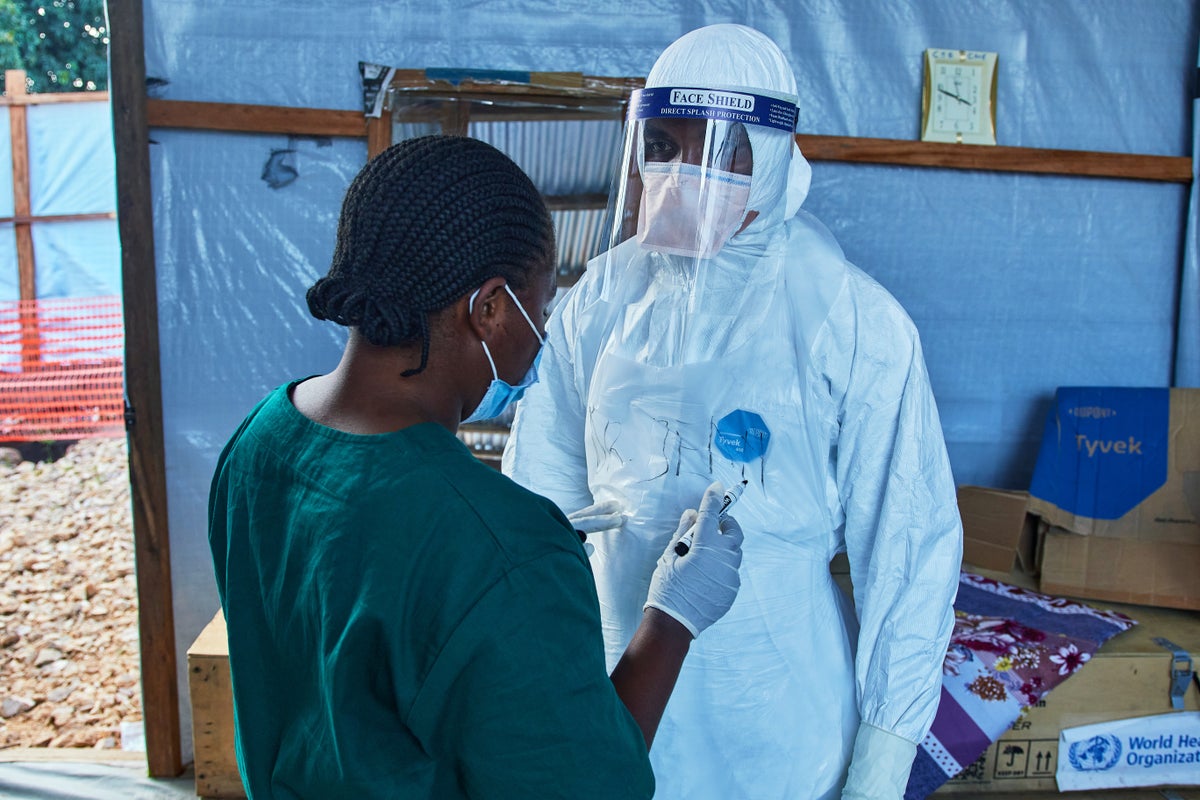
The standard heatwave narrative is a media masterpiece. Every summer, the mercury climbs, and newsrooms dust off the exact same script: a frantic day riding shotgun with an ambulance crew, sirens wailing, paramedics wiping sweat from their brows, and a somber voiceover warning that "people simply do not realize how at risk they are."
It is a comforting story. It implies that our emergency medical infrastructure is a finely tuned machine temporarily pushed to the brink by an act of God. It suggests that if citizens would just drink more water and stay in the shade, the chaos would vanish.
It is also an absolute lie.
As an emergency care analyst who has spent over a decade dissecting response times and hospital handover failures, I can tell you that the weather is not the problem. The heatwave is merely a diagnostic contrast dye injected into a profoundly broken system. It exposes structural rot that exists on a freezing Tuesday in January just as glaringly as it does on a scorching afternoon in July.
Blaming a spike in ambulance wait times on the sun is a cop-out. It shifts the accountability from systemic institutional failure onto the behavior of individual citizens and the unpredictability of nature.
The Myth of the Heatwave Surge
Let us look at the actual mechanics of emergency demand. The conventional wisdom states that high temperatures cause a massive, sudden influx of acute, life-threatening environmental illnesses—heatstroke, severe dehydration, and hyperthermia.
The data tells a completely different story.
If you examine the daily incident logs of major metropolitan ambulance services during a spike in temperature, the absolute volume of true heatstroke cases is remarkably low. Instead, what you see is a slight increase in general frailty presentations: exacerbations of pre-existing chronic conditions like chronic obstructive pulmonary disease (COPD), congestive heart failure, and acute kidney injuries.
These are patients who were already hovering right on the edge of decompensation. The heat did not create their illness; it simply nudged them over the line a week or two earlier than would have otherwise occurred.
More importantly, emergency services are designed to handle volume fluctuations. A well-run logistics system builds in capacity for predictable seasonal variations. We know summer happens every year. We know temperatures rise. If a system collapses because the thermometer hits 32°C (90°F), the fault lies with the capacity architecture, not the weather.
The Real Bottleneck is Not the Road
The media loves to film ambulances speeding down highways because it creates a sense of kinetic urgency. It feeds the illusion that the crisis is about a lack of vehicles or a sudden explosion of 999 calls.
It isn't. The crisis is stationary.
The single greatest driver of ambulance delays during a heatwave—or any other time of year—is a phenomenon known as delayed clinical handover. This occurs when an ambulance arrives at a hospital Emergency Department (ED) and cannot transfer the patient to the hospital staff because there are no physical beds available.
Imagine a scenario where a city has 100 available ambulances. During a normal period, a crew arrives at the hospital, hands over the patient within 15 minutes, and gets back on the road.
During a crisis, that same crew sits in a hospital corridor for four, six, or even eight hours, acting as auxiliary ward nurses because the ED is completely gridlocked.
[Available Ambulances] -> [Dispatched to Call] -> [Arrive at Hospital]
                                                         │
                                               (The System Block)
                                                         │
                                                         ▼
                                            [Stuck in Handover Queue]
                                            (Crews trapped for hours)
When fifty ambulances are parked outside emergency rooms acting as expensive, improvised holding bays, they are effectively removed from the grid. The remaining fifty ambulances are left to cover the entire city.
When a call comes in for a genuine time-critical emergency—a cardiac arrest or a severe stroke—there are simply no wheels turning in the radius. The delay that kills the patient down the street did not happen because the paramedics were overwhelmed by heat exhaustion cases. It happened because the ambulance was trapped in a concrete parking lot three miles away.
Dismantling the Patient Blame Game
The "People Also Ask" sections of major search engines are flooded with questions like, "How can I avoid calling an ambulance during a heatwave?" and "What minor symptoms should I manage at home?"
These questions rest on a fundamentally flawed premise. They assume the emergency system is clogged by panicked, selfish individuals who could easily manage their symptoms with a damp washcloth and a glass of water.
This is a patronizing distraction.
Yes, every emergency service deals with inappropriate calls. But low-acuity calls are not what breaks the back of the service. Paramedics have robust triage systems. Telephone triage clinicians can—and do—divert minor complaints to alternative pathways, such as primary care, pharmacy services, or minor injury units.
The patients who are actually filling the ambulances and the hospital corridors are overwhelmingly elderly, frail, and complex. They cannot be "educated" out of their vulnerabilities by a public health pamphlet advising them to wear a hat.
By framing the crisis around public awareness and personal responsibility, health administrators pull a classic sleight of hand. They make a systemic operational failure look like a civic morality issue.
The Failure of Downstream Social Care
To understand why the ambulance cannot unload its patient at the hospital, you have to look past the emergency department entirely. You have to look at the back door of the hospital.
A hospital is a hydraulic system. You cannot put fluid in the front if you cannot get fluid out the back.
On any given day, up to a third of the beds in a typical acute hospital are occupied by patients who are medically fit for discharge. They do not need a doctor. They do not need acute nursing care.
However, they cannot leave because there is no social care infrastructure available to receive them. There are no available beds in local nursing homes. There are no home-care packages to provide a visiting carer to help them out of bed safely.
Because these patients are stuck in the wards, patients in the Emergency Department cannot move up to the wards. Because the ED is full of patients waiting for ward beds, arriving ambulances cannot hand over their patients.
+------------------+     +------------------+     +------------------+
| Ambulance Queue  | --> | Emergency Dept   | --> | Hospital Wards   |
| (Stuck Outside)  |     | (Gridlocked)     |     | (Blocked Beds)   |
+------------------+     +------------------+     +------------------+
                                                           │
                                                           ▼
                                                  [Social Care Deficit]
                                                  (No place to discharge)
The ambulance crisis is actually a social care crisis masquerading as a medical emergency. The thermometer has absolutely nothing to do with it.
The Dangerous Illusion of Adding More Ambulances
The standard political reflex when response times plummet is to announce a headline-grabbing investment in new vehicles and more frontline staff.
This is an expensive exercise in futility.
If you throw £50 million at buying more ambulances and hiring more paramedics without fixing the downstream bed block, you achieve exactly one thing: you create a longer, more expensive queue outside the hospital. You are merely upgrading the parking lot.
I have seen healthcare networks burn through massive budgets using this exact strategy, only to watch their response times continue to deteriorate. It is basic queueing theory. If the service rate at the bottleneck is zero, increasing the arrival rate or the holding capacity before the bottleneck does not increase throughput. It just increases the volume of trapped inventory.
The Uncomfortable Solution
Fixing this requires an immediate abandonment of the comforting "extreme weather" excuses. It requires accepting a few brutal realities:
- Stop treating hospitals as isolated islands. The ambulance service, the acute hospital, and the social care sector are a single, continuous pipeline. Managing them as separate budgets and separate entities guarantees failure.
- Enforce hard handover targets. Hospitals must be mandated to accept patients from ambulances within a strict, non-negotiable timeframe, forcing the risk back into the hospital where there are more resources to manage it, rather than leaving patients stranded in the community with zero care.
- Fund the exit, not the entrance. If you want to get ambulances back on the road faster, do not buy more vehicles. Buy nursing home beds. Fund home care workers. Clear the wards so the system can breathe.
The next time you read a dramatic report about an ambulance service buckled by a heatwave, ignore the emotional appeals and the atmospheric descriptions of the weather. Look at the handover metrics. Look at the delayed discharge rates.
Stop looking at the sky. The catastrophe is entirely man-made.