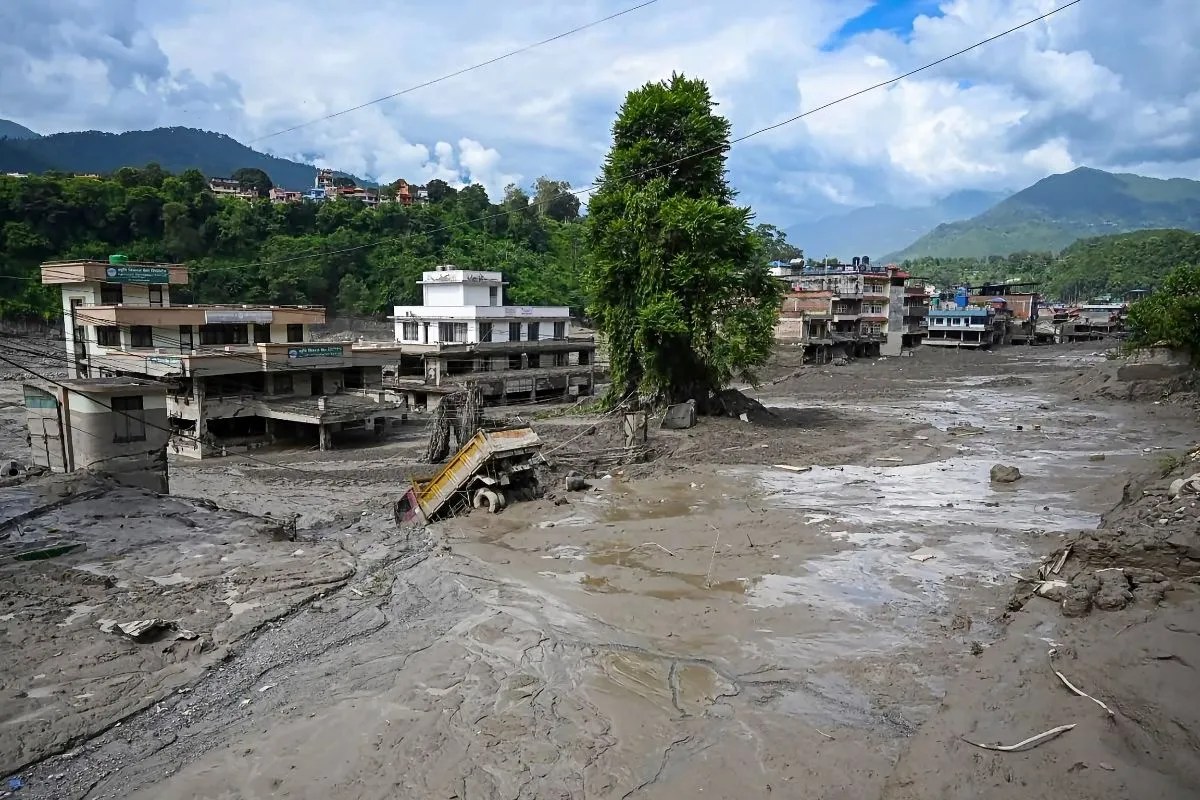
Every monsoon season, the media reaches for the same lazy script. We get the tears, the drone shots of brown water swallowing tin roofs, and the survivor interviews recounting how a spouse or a child vanished in seconds. The narrative is always packaged as a tragic act of God. A sudden fury of the heavens. An unpredictable bolt of misfortune that humbles humanity.
It is a lie.
What happened in Nepal during these flash floods was not an unpredictable natural disaster. It was a predictable infrastructural execution. When you choke centuries-old river drainage basins with concrete, ignore geotechnical warnings, and treat floodplains like prime real estate, water does not betray you. Water simply reclaims what you stole from it.
I have walked these valleys. I have watched municipal planners approve heavy construction on unstable alluvial fans just to chase tourism dollars and short-term political wins. We love to sensationalize the grief of a man losing his family to muddy torrents while completely ignoring the institutional negligence that built his house in the direct path of a hydraulic battering ram.
The Myth of the Unforeseeable Deluge
Look at the post-disaster coverage. Reporters act as though mountain weather patterns are cryptic runes that defy calculation. They focus entirely on the meteorological statistics of rainfall volume, treating the millimeter count as the primary villain.
Rainfall is just the trigger. The gun was loaded decades ago by zoning boards and road contractors.
When unscientific road expansion cuts into fragile Himalayan hillsides, it produces millions of tons of loose debris. Where does that loose earth go? Straight into the riverbeds. When the monsoon hits, that loose silt acts as a high-density slurry, multiplying the destructive mass of the water tenfold. A normal river overflows. A human-engineered debris flow acts like wet concrete moving at highway speeds.
Yet, the mainstream conversation remains stuck on disaster response. We debate whether rescue helicopters arrived an hour too early or an hour too late. We set up relief funds. We hand out tarps. It is an expensive theater of remediation that completely ignores the core pathology. You cannot rescue your way out of bad geography.
The Real Estate Shell Game in the Hills
The commercial pressure on Himalayan river corridors is relentless. Every flat patch of land near a riverbank is aggressively monetized. Guesthouses, tea shops, and concrete dwellings mushroom overnight without basic hydrological clearance.
Local authorities look the other way because the local economy thrives on every square foot of occupied land. When you question the safety of building directly on active flood channels, developers scoff at you. They talk about historical flood levels as if climate shifts and heavy human modification of upper watersheds have not completely rewritten those baselines.
Imagine a scenario where a business owner builds a massive resort directly on the edge of a known erosion zone. When the river sweeps it away, the state compensates them or treats them as victims of bad luck. This moral hazard is toxic. It guarantees that the exact same mistakes will be repeated next season.
We are subsidizing structural stupidity. Until living in a high-risk flood zone carries a social and financial penalty rather than a guaranteed victimhood status, the death toll will continue to rise.
What Actually Works
If we want to stop writing these grim obituaries, we have to abandon the comforting fiction of natural inevitability.
First, implement mandatory red-zone evacuations backed by actual force. Voluntary warnings fail because people refuse to abandon their assets. If a municipality knows an area is a high-risk debris chute, human life must override property ownership rights. Clear the structures. Permanently.
Second, halt unmonitored road cutting in fragile geological zones. Every meter of hillside shaved off for a shortcut without proper retaining walls is a future flood multiplier.
Third, stop treating disaster management as a heroic rescue mission and start treating it as an engineering audit. When a settlement gets wiped out, investigate the local officials who signed off on permits for that specific plot of land. Hold them criminally liable for corporate and civic manslaughter.
The river is not malicious. It is indifferent. It is merely following the path of least resistance, which we so kindly paved for it.