Every time Washington drops a temporary ban on Mexican avocados, the media script writes itself. Headlines shriek about cartel extortion, corrupt municipal police, and the perilous frontline of the global produce supply chain. You read it, nod along, and accept that your weekend guacamole habit is caught in the crossfire of a violent geopolitical drug war.
It is a neat, comforting narrative. It is also entirely wrong.
The lazy consensus in international trade reporting assumes that agricultural security crises in Michoacán are purely a law enforcement problem. Send in the National Guard, clear the cartels out of the packing houses, and resume the uninterrupted flow of green gold north of the border.
I have watched logistics conglomerates burn millions trying to secure agricultural supply chains with armed escorts and private intelligence firms, and the entire premise is fundamentally flawed. You cannot shoot your way out of a structural economics problem. The temporary bans, the sudden deployment of Mexican security forces, and the recurring panic over agricultural inspections have nothing to do with stray threats called in to a USDA inspector. They are the predictable friction points of a multi-billion-dollar supply chain operating under an impossible set of physical and regulatory contradictions.
Let us dismantle the mythology piece by piece.
The Geography of Fragility
To understand why a single anonymous threat can halt millions of dollars in perishable trade, you have to look at where your food actually comes from. Michoacán is the only state in Mexico authorized for year-round export to the United States under the current USDA framework. That is a dangerous bottleneck.
When you concentrate global demand for a hyper-perishable luxury crop into a single geographic microclimate, you invite predation. Cartels do not extort avocado growers because they are uniquely evil masterminds; they extort them because the producers are sitting on massive, liquid cash flows in a region with weak state infrastructure. The cartels function as a violent, informal tax collector because the formal state abdicated its revenue-collection and security duties decades ago.
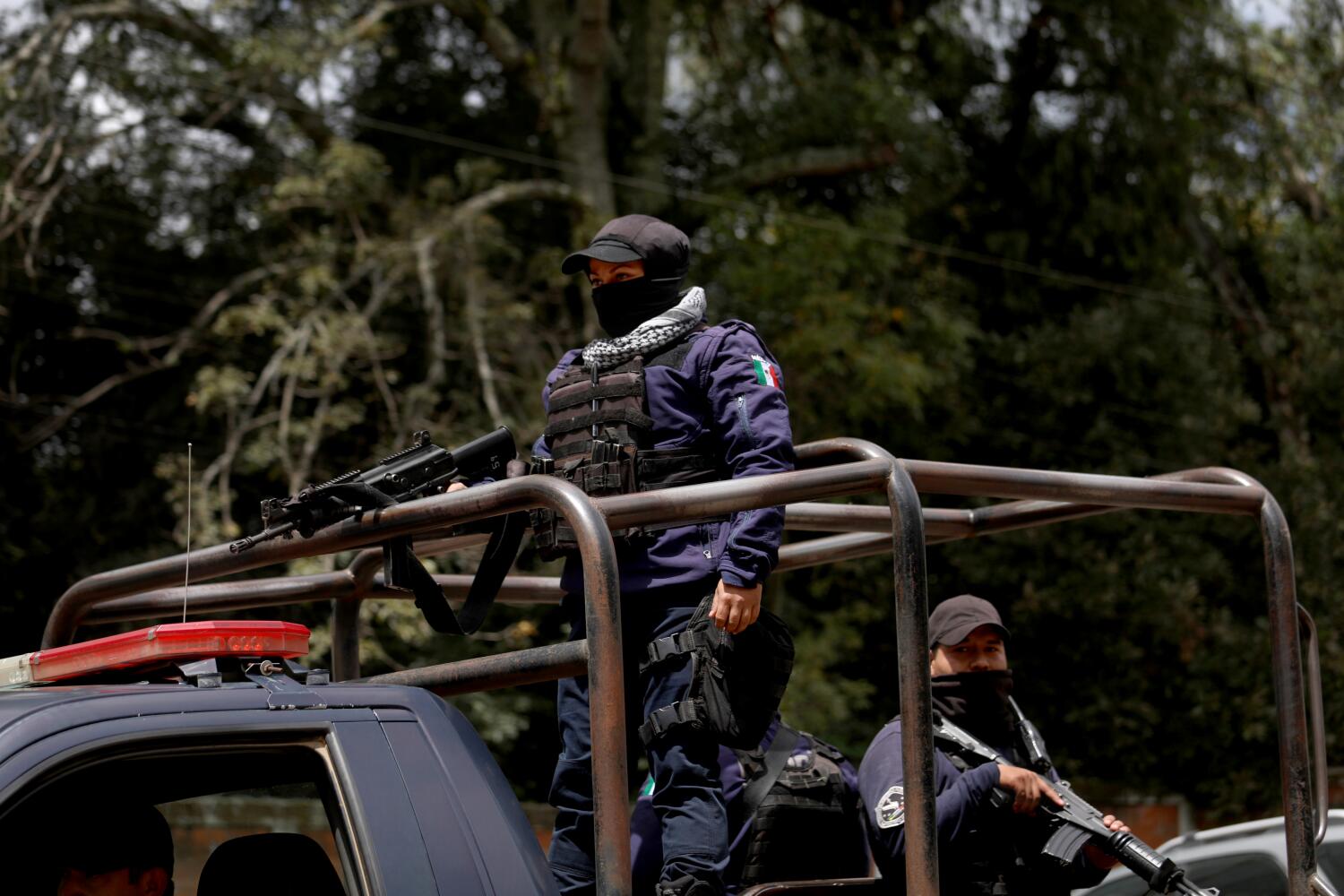
When the U.S. Embassy suspends inspections because an inspector was verbally threatened, the market panics. Prices spike. Importers lose their minds. And Mexico dispatches troops to patrol the orchards.
It is theater.
Imagine a scenario where you deploy five thousand heavily armed federal soldiers into a sprawling, mountainous region of dense orchards to protect fruit. What are they guarding exactly? Every single tree? Every truck winding down rural switchbacks at four in the morning? It is logistically impossible. The troops provide a headline for the evening news, a temporary diplomatic pressure valve, and a very expensive photo opportunity. Meanwhile, the extortion simply goes underground, adapts its methods, or pauses for two weeks until the diplomatic heat cools down.
Securing an agricultural supply chain with military force is like trying to fix a leaky boat by shooting the water.
The Bureaucratic Blind Spot
Let us talk about the regulatory absurdity that makes these crises possible in the first place.
The USDA Animal and Plant Health Inspection Service maintains absolute veto power over the entire North American avocado market. When an inspector on the ground in Michoacán receives a threat, the protocol is absolute: shut it down immediately.
From a liability standpoint, you cannot blame the bureaucrats. If a USDA inspector is harmed, the political fallout is catastrophic. But from an economic standpoint, the threshold for shutting down an entire international trade artery is staggeringly low. One phone call, real or fabricated by a rival packing cartel trying to sabotage a competitor's export window, can freeze the border.
This creates a perverse incentive structure.
The cartel or criminal faction that figures out how to manipulate the USDA inspection trigger holds a direct remote control over the global price of avocados. They do not need to hijack trucks. They just need to whisper a threat loud enough to rattle an agency safely stationed miles away in an air-conditioned office.
We have built a multi-billion-dollar luxury commodity market dependent on the risk tolerance of risk-averse bureaucrats responding to unverified whispers in a foreign war zone. That is not a supply chain. That is a house of cards waiting for a strong breeze.
The Real Cost of Cheap Guacamole
Consumers want cheap, pristine Hass avocados twelve months a year. You want them stacked high in the supermarket produce section, perfectly unblemished, ready to mash for the Super Bowl or your Tuesday taco night.
That demand comes with a body count and an environmental bill that nobody wants to itemize on the receipt.
The expansion of avocado orchards in Michoacán has driven massive illegal deforestation. Growers clear pine forests to plant lucrative avocado trees, depleting local water tables and destabilizing hillsides. When you buy cheap avocados, you are subsidizing unregulated land conversion managed by people who view environmental regulations as polite suggestions.
And yet, the corporate supply chain pretends this is clean. Importers slap sustainability badges on bags of fruit flown or trucked across the border, ignoring the reality of how the land was acquired and who is really taking a cut of the profits at every checkpoint.
When the U.S. halts imports over a security threat, the corporate lament is always about supply disruption and inflation. Nobody asks the harder question: Why are we organizing an entire continent's agricultural output around a single, highly vulnerable point of failure?
Diversification Is the Only Defense
The standard advice given to importers is to diversify sourcing within Mexico—open up new states like Jalisco or Sinaloa for export. In fact, Jalisco has slowly come online for U.S. exports in recent years.
That is a half-measure. Expanding into new Mexican states just exports the exact same structural vulnerabilities to a new zip code. As long as the production model relies on hyper-concentrated regional output feeding an insatiable American appetite through a fragile, easily panicked regulatory checkpoint, the cartels will follow the money.
True resilience requires radical decentralization and structural honesty.
First, the USDA and the Mexican government need to decouple diplomatic trade security from local criminal extortion. Treating localized shakedowns as national security emergencies gives extortionists asymmetric leverage over international trade policy.
Second, the market needs to price in the actual cost of security and sustainability at the source. If consumers want ethically sourced, cartel-free produce, the supply chain cannot rely on armed soldiers standing awkwardly in dirt roads. It requires transparent, traceable cooperative systems where growers have direct legal protection and financial insulation from criminal cartels—funded by a transparent premium on the fruit itself, not subsidized by temporary military crackdowns.
Finally, we need to accept price volatility. Agriculture is not a software-as-a-service product; it is subject to weather, politics, geography, and human conflict. When the market expects zero friction and absolute year-round price stability in the face of a violent regional insurgency, reality always wins in the end.
Stop pretending a battalion of soldiers is going to save your brunch. The system is broken because we built it to ignore reality, and no amount of military theater will ever change basic economics.
The next time the border closes over a threat, do not look to Michoacán for the fix. Look at your own expectations.