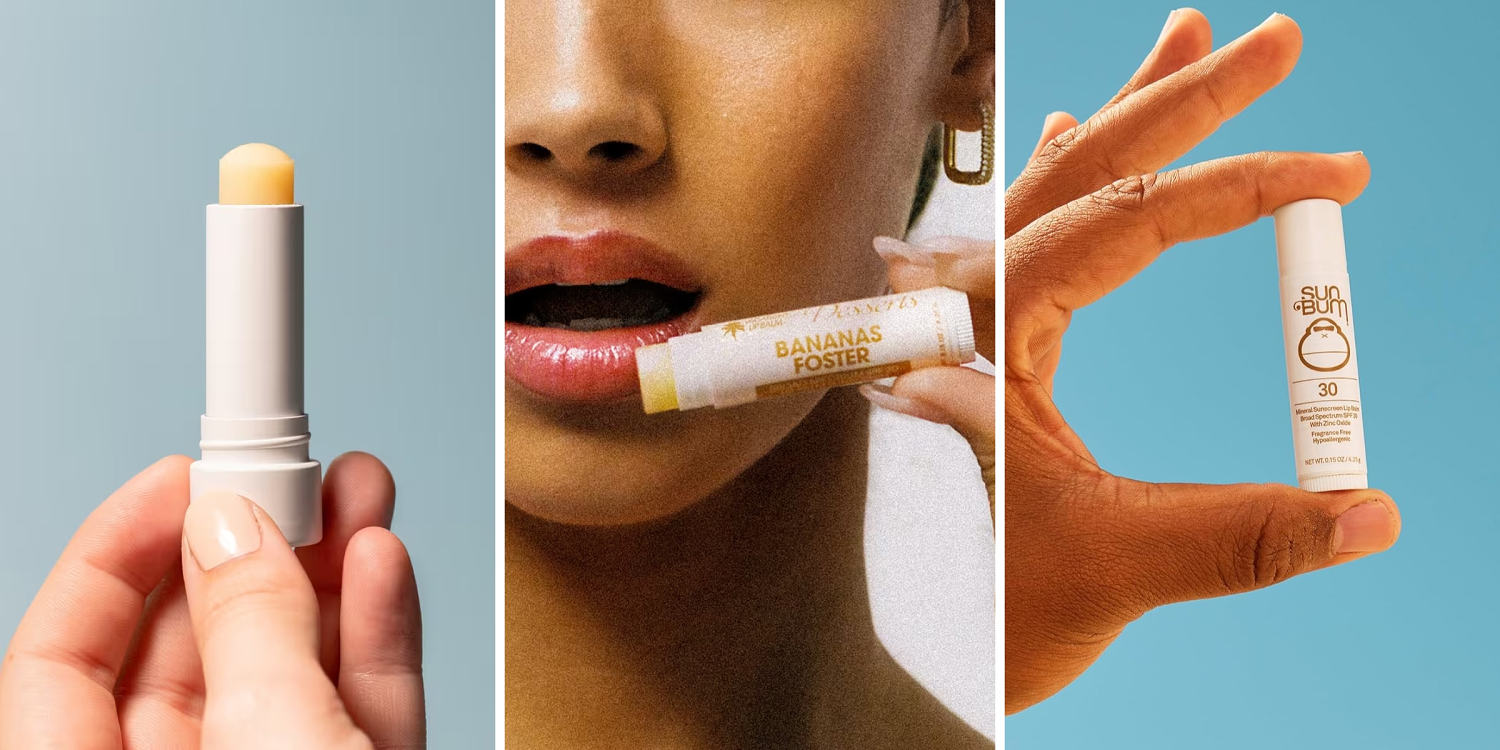
Every summer, the beauty industry pushes the same collective delusion. They tell you that skin is skin, that your lips are just an extension of your face, and that slathering on a sugary-sweet, coconut-scented SPF lip balm is the only thing standing between you and total solar destruction.
It is a lie designed to keep you buying a product that actively sabotages itself.
Most commercial SPF lip balms are mechanical failures disguised as skincare. They promise to hydrate while they protect, yet millions of people find themselves trapped in an endless loop of applying balm every twenty minutes, wondering why their lips feel like sandpaper the moment the gloss wears off.
The standard advice is broken. If you want to actually protect your mouth from UV damage and chronic dehydration, you need to stop buying products that fight against basic human biology.
The Fatal Flaw of the Hybrid Product
The fundamental premise of the "hydrating SPF balm" is a contradiction in chemistry. To understand why, you have to look at how chemical UV filters interact with the delicate barrier of the lips.
The skin on your lips is distinct from the skin on the rest of your body. It lacks sebaceous glands, meaning it cannot produce its own oils to seal in moisture. It has a radically thin stratum corneum—the outermost layer of skin—making it highly susceptible to moisture loss through trans-epidermal water loss (TEWL).
When manufacturers formulate a standard lip balm, they use occlusives like petrolatum, beeswax, or shea butter to create a physical plug that traps water. But when you force chemical sunscreen agents into that same tube, the math changes.
Chemical filters like Chemical UV Filters (avobenzone, octinoxate, and oxybenzone) are notorious irritants. On the thin, compromised tissue of the lips, these active ingredients frequently trigger low-grade contact dermatitis. This irritation presents itself as dryness, flaking, and a burning sensation.
What do you do when your lips feel dry and burning? You apply more of the product.
You are treating the irritation caused by the sunscreen by applying more of the sunscreen. The beauty industry calls this a repeat purchase cycle. I call it a design flaw.
The White Cast Lie of Mineral Balms
When consumers catch on to the chemical irritation cycle, they inevitably pivot to mineral alternatives. They look for zinc oxide or titanium dioxide balms, thinking they have found the clean, safe alternative.
They haven't. They have just traded one mechanical failure for another.
Zinc oxide is a brilliant physical blocker. It is also an astringent. It naturally absorbs moisture and oils from the surface it sits on. When formulated into a lip product, zinc oxide actively draws out what little moisture your lips have left, leaving behind a chalky, desiccated texture.
To mask this drying effect, formulators dump heavy loads of synthetic fragrances, menthol, camphor, or peppermint oil into the tube. They want to give you that "tingle"—the sensory illusion that the product is working.
Let is be clear: That tingle is not healing. It is the feeling of your skin barrier being chemically agitated. Menthol disrupts the lipid bilayer of your lips, allowing moisture to escape even faster.
Dismantling the PAA Playbook
The internet is flooded with terrible, recycled advice regarding lip sun protection. Let us dismantle the premises of the questions people actually ask.
Should you wear SPF lip balm every day?
No. Not in the way you think. Applying a dedicated chemical SPF balm indoors or during low-UV winter days exposes your lips to unnecessary sensitizing agents without any defensive payoff. You are accumulating irritation for zero reward. Save the targeted UV filters for when you are actually outdoors in a UV index above two.
Can I just use my face sunscreen on my lips?
Absolutely not. Facial sunscreens are formulated for a completely different skin thickness and pH. They taste terrible, which leads to habitual lip-licking. Saliva contains digestive enzymes like amylase that break down the skin barrier, compounding the drying effect of the sunscreen itself.
Why do my lips peel after using SPF balm?
Because you are likely experiencing a mild allergic reaction to avobenzone or the synthetic fragrances used to mask the smell of chemical filters. Your lips are peeling because the product is damaging the outer layer of skin, not because it is "renewing" it.
How to Actually Protect Your Lips
If the hybrid tube in your pocket is a failure, how do you prevent actinic cheilitis and premature aging without destroying your skin barrier? You separate the church of hydration from the state of sun protection.
You must treat your lip routine as a two-step mechanical process, not a single lazy swipe.
Step 1: Pure Hydration (No SPF)
Apply a pure, bland occlusive to wet lips to seal in moisture.
       │
       ▼
Step 2: Dense Physical Barrier (With SPF)
Apply a high-wax, non-nano zinc barrier strictly over the top.
1. The Moisture Foundation
Never apply an SPF-containing product directly to bare lips. Start with a foundational layer of pure, single-ingredient hydration. Look for 100% medical-grade lanolin (if you aren't allergic) or pure white petrolatum. Apply this immediately after showering or brushing your teeth while your lips are still holding moisture. This acts as a buffer zone, protecting your thin skin barrier from the irritating nature of UV filters.
2. The Separate Shield
Once the barrier is set, apply your sun protection over the top. Look for sticks that use non-nano zinc oxide but have a high concentration of hard waxes (like carnauba or candelilla wax) rather than liquid oils. The goal is to keep the zinc sitting like a sheet of metal on top of the petrolatum layer, rather than letting it mingle with your skin cells.
3. The Matte Reality
Throw away the high-shine, high-gloss SPF oils and glosses. Gloss magnifies the sun’s rays. Shiny liquids act like a magnifying glass on your face, focusing UV radiation onto the delicate tissue of your lower lip—which is precisely where the vast majority of lip skin cancers develop. Your outdoor sun shield should be matte, thick, and decidedly unsexy.
The Cost of the Counter-Intuitive Approach
There is a downside to doing this correctly. Your lips will not look like a glass-skinned influencer while you are at the beach. You will have a slight, waxy layer on your mouth. You will not get the hit of artificial strawberry flavor when you lick your lips.
But you will break the addiction to the balm tube. You will stop the peeling cycles. You will actually protect the tissue from DNA damage without forcing your skin into a state of chronic inflammation.
Stop buying products that try to do two opposing jobs at the exact same time. Protect your lips by understanding physics, not by falling for cosmetics marketing.