Buying the hype is easy. Sticking around for the reality check is another story.
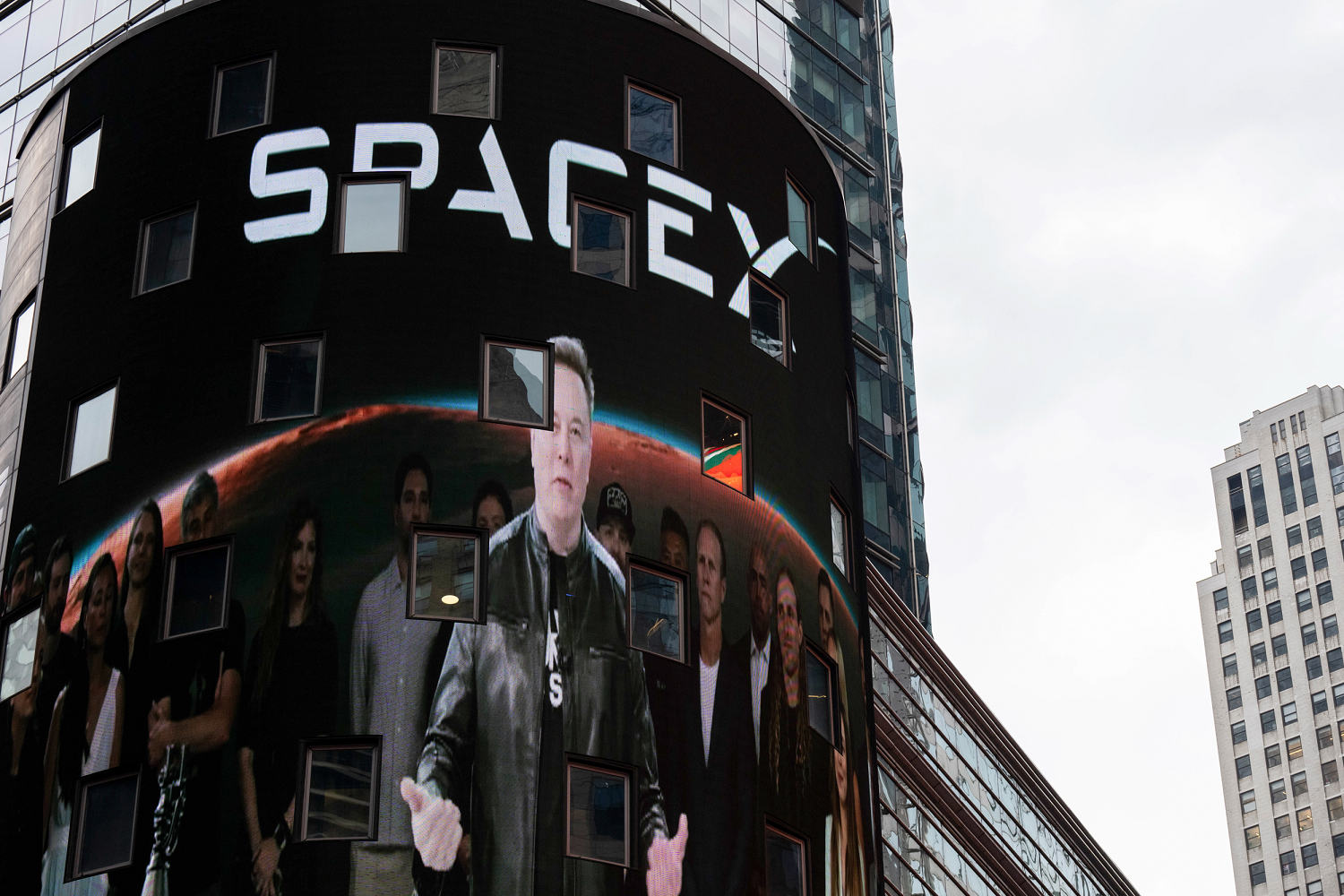
When SpaceX made its historic market debut on June 12, 2026, the enthusiasm was deafening. Elon Musk’s rocket empire did not just go public; it shattered records with a staggering $1.77 trillion valuation. Within days, the stock, trading under the ticker SPCX on the Nasdaq, soared to an intraday peak of $225.64, briefly pushing the company's valuation past retail and tech giants like Amazon and Microsoft.
But Wall Street has a way of popping even the most glamorous bubbles.
On Wednesday, SPCX closed below its initial public offering (IPO) price of $135 for the first time. Dropping to an intraday low of $132.62, the stock has now shed roughly 41% from its peak. Over $1 trillion in paper wealth has evaporated in a matter of weeks, and the initial wave of investors are suddenly staring at very real, very red portfolios.
If you bought into the SPCX frenzy, or if you're wondering whether this is the ultimate buy-the-dip moment, you need to look past the rocket launches. The true story of this decline has less to do with outer space and much more to do with cold, hard market mechanics.
The Hype vs. The Ledger
Let's look at the numbers because they tell a story that the marketing materials conveniently glossed over.
SpaceX went public at a valuation that defied gravity. To justify a $1.77 trillion market cap, the company's prospectus relied on a massive total addressable market (TAM) of $28.5 trillion. Here is the catch: roughly 90% of that TAM was attributed to artificial intelligence through SpaceX’s newly acquired xAI subsidiary.
Investors were not just buying a rocket company or a satellite broadband provider; they were buying a massive, highly speculative AI play.
| Segment | 2025 Revenue | 2025 Profitability | Total Addressable Market (TAM) |
|---|---|---|---|
| Space Launch | $4.1 billion | -$657 million | $370 billion |
| Starlink Connectivity | $11.4 billion | +$4.4 billion | $1.61 trillion |
| Artificial Intelligence (xAI) | $3.2 billion | -$3.2 billion | $26.51 trillion |
While Starlink has become a genuine cash cow, the broader SpaceX entity is bleeding money. The company posted a net loss of $4.9 billion in 2025, followed by another massive $4.28 billion net loss in the first quarter of 2026 alone.
Renowned NYU valuation expert Aswath Damodaran warned early on that valuing xAI at these levels was "beyond plausible". He placed the actual enterprise value of SpaceX closer to $1.3 trillion, while Morningstar analysts went even lower, pinning fair value at a conservative $780 billion. When a stock is priced for absolute perfection, any shift in market sentiment will trigger a steep drop.
Why the SpaceX Stock Price is Falling
The slide below $135 wasn't caused by a single bad day. It’s the result of three distinct pressures hitting the company all at once.
1. The Global AI Cool-Off
The timing of the SpaceX IPO was brilliant for fundraising, but terrible for long-term momentum. SpaceX raised $86 billion in June 2026, right at the peak of AI euphoria. Since then, Wall Street has entered a period of deep skepticism regarding the massive capital expenditures required for AI infrastructure.
Investors are demanding to see immediate returns on AI investments rather than promises of future artificial general intelligence. Because SpaceX acquired xAI and went heavily into debt—raising $25 billion in the bond market to fund orbital data centers and GPU clusters—it has been swept up in this broader tech selloff.
2. Lock-Up Anxiety and Early Liquidity
When a company goes public, early investors and employees are typically locked out of selling their shares. SpaceX utilized a unique, staged lock-up structure. Instead of waiting the standard six months, up to 20% of eligible insider shares will unlock immediately after the company's first quarterly earnings report in August 2026.
Smart money knows that a massive wave of supply is about to hit the market. Hedge funds and retail traders are trimming their positions now to avoid getting crushed when insiders inevitably start cashing out.
3. Reusability is No Longer a Monopoly
For years, SpaceX’s moat was impenetrable because nobody else could land a rocket. That is changing. China recently completed its first-ever controlled recovery of an orbital-class rocket booster. While SpaceX remains years ahead of the competition, the technical gap is narrowing. If reusable rocketry becomes an industry standard, the premium investors are willing to pay for SpaceX’s launch business will contract.
Should You Buy the Dip or Walk Away?
This drop is painful for those who bought at $220, but for onlookers, it presents a classic risk-reward dilemma.
On one hand, the fundamentals of the core space business are incredibly strong. SpaceX completely dominates the global orbital launch market. Starlink is a vital piece of global communications infrastructure, and the defense contracts keep rolling in. If Starship succeeds in its upcoming developmental flights, the cost of putting mass into orbit will plummet even further.
On the other hand, the current valuation still hinges on the success of xAI and highly speculative projects like space-based data centers. You aren't just buying a rocket company; you are funding a high-stakes gamble on the future of computing.
If you are looking for a short-term trade, stay cautious. The upcoming August earnings report and the scheduled lock-up expirations mean volatility is highly likely to continue through the summer. But if you have a five-to-ten-year horizon and believe in the integration of orbital infrastructure and AI, picking up shares near or below the $135 IPO price represents a far more logical entry point than chasing the stock at its $225 peak. Just make sure you can stomach the ride.