The flickering green numbers on a trading terminal don't make a sound. They don't scream when they fall, and they don't cheer when they climb. But if you stand on a trading floor during a week like this, you can hear something else: the collective exhale of ten thousand lungs.
For days, the world held its breath. We weren’t just watching candle charts; we were watching the horizon. We were looking for the smoke of a regional war in Iran that seemed, for a harrowing stretch of forty-eight hours, almost certain. When the missiles stay in their silos and the rhetoric shifts from "imminent strike" to "de-escalation," the market doesn't just react with math. It reacts with relief.
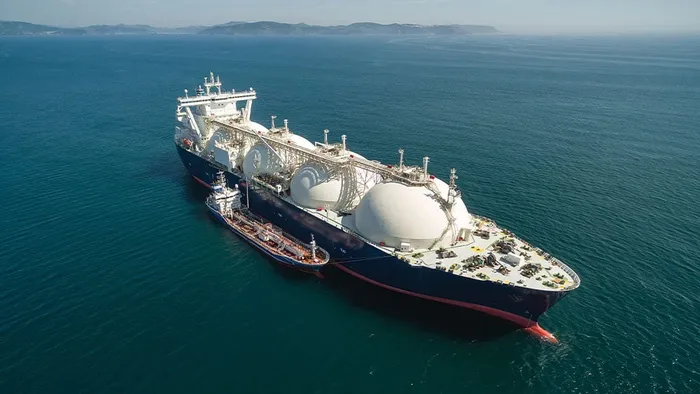
That relief is what drove the rally we saw today. It wasn't about a sudden surge in corporate earnings or a breakthrough in manufacturing. It was the simple, primal joy of realizing that the worst-case scenario—a choked Strait of Hormuz, $150 oil, and the fire of a multi-national conflict—had been pushed back into the drawer.
The Ghost in the Machine
Consider a fund manager named Elias. He isn't a villain in a suit, and he isn't a genius with a crystal ball. He’s a guy in a mid-rise office in Chicago who hasn’t slept more than four hours a night since Tuesday. To Elias, a war in Iran isn't a geopolitical abstract. It is a series of cascading failures.
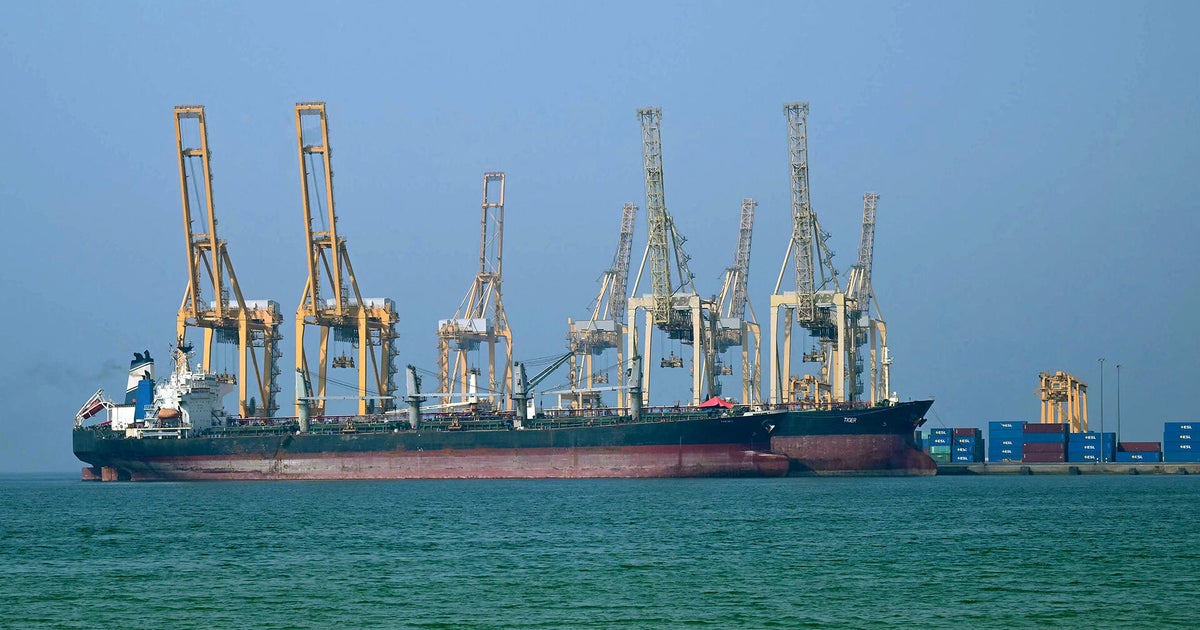
If Iran and its neighbors enter a hot war, the supply chains for the very chips that power our lives are threatened. The cost of shipping a single container from Shanghai to Rotterdam triples overnight. Every grandmother’s heating bill in Maine becomes a point of political instability. Elias knows this. So, he sells. He moves into "risk-off" mode. He hides in the cellar of the economy—gold, treasury bonds, cash.
When millions of Eliases do this simultaneously, the market bleeds. It’s a self-fulfilling prophecy of fear. But this morning, Elias saw the news. He saw the diplomatic channels opening. He saw the "de-escalatory" signals from the State Department and the measured, almost bored, responses from Tehran.
He didn't buy because he was greedy. He bought because he could finally see the floor.
The rally today was the sound of all those Eliases coming out of the cellar. The S&P 500 and the Nasdaq didn't just tick upward; they surged because the "war premium"—that extra tax we pay on our investments just because we're afraid of the future—was suddenly discounted.
The Gravity of Crude
We often treat the stock market and the oil market as two separate entities, but they are joined at the hip by a very short, very tense leash. To understand why stocks extended their rally today, you have to look at the price of a barrel of West Texas Intermediate.
Oil is the blood of the global body. When its price spikes, every cell in that body feels the pain. A logistics company has to pay more for diesel. A plastic manufacturer has to pay more for raw polymers. A family in the suburbs has less money for a new pair of shoes because it cost $95 to fill the tank.
During the height of the Iran tensions, oil was a coiled spring. The fear wasn't just about a drop in production; it was about the physical closure of the world’s most vital energy artery.
"In the world of high finance, a single degree of geopolitical temperature change can boil the entire pot."
The moment the headlines shifted toward diplomacy, that spring uncoiled. Oil prices dipped. And like a see-saw, as the cost of energy goes down, the value of everything else goes up. Corporate profit margins, which had been looking thin under the shadow of a fuel crisis, suddenly looked healthy again.
The Mirage of Certainty
It is tempting to look at a green day on Wall Street and think the world is safe. It’s a comforting lie we tell ourselves so we can go back to worrying about mundane things like car payments and dinner reservations.
But the market is a nervous creature. It has a very short memory and an even shorter fuse. What we saw today was a "relief rally," a term that suggests the pain is over. In reality, it’s more like a fever breaking. The underlying infection—the long-standing, jagged friction between Western interests and Iranian sovereignty—remains.
The investors who surged back into tech and retail stocks today aren't betting that peace has finally arrived in the Middle East. They are betting that war isn't happening today. In the modern economy, "not today" is often enough to spark a billion-dollar buying spree.
We see this pattern repeat throughout history. We saw it in the 1970s during the oil shocks, and we saw it in the early 2000s. There is a specific kind of adrenaline that hits a trader when they realize they've survived a brush with a systemic collapse. It creates a manic energy, a desire to make up for lost time and lost gains.
The Human Cost of the Ticker
Behind every "rally" are people whose lives are dictated by these fluctuations. There is a retiree in Florida whose 401(k) just regained the $12,000 it lost last week. There is a young couple in Oregon who put off buying a house because the volatility made their mortgage rate look like a moving target.
For them, the easing of tensions in Iran isn't about "geopolitical pivots." It’s about the ability to plan for next month.
The market is often criticized for being cold and detached from the "real world," but in moments like this, it is the most honest mirror we have. It reflects our collective anxiety and our collective hope. When the wires flash news of de-escalation, the numbers go up because, deep down, we all want to believe that the bridge will hold.
We are living in an era where the distance between a tweet and a market crash is measured in milliseconds. A single misunderstood statement from a foreign minister can wipe out a year of middle-class savings. That is a terrifying reality to inhabit. It makes every day feel like walking on a frozen lake, listening for the sound of a crack.
But today, the ice held.
The rally extended because for one more day, the machinery of global commerce didn't have to account for the cost of explosions. The logic of the spreadsheet returned to its throne, displacing the chaos of the battlefield. We moved from the visceral fear of "how much will we lose?" back to the calculated curiosity of "how much can we grow?"
The screens stayed green. The Eliases of the world went home to see their families. The price of a barrel of oil retreated from its threatening peak.
It is a fragile peace, built on the shifting sands of diplomacy and the fickle whims of digital capital. It could vanish by Sunday night if a single drone strays off course or a single diplomat loses their temper. We know this. The market knows this.
But for now, the world has exhaled. And in that brief, quiet moment of relief, the numbers on the screen finally found a reason to climb.
The silence of a missile that isn't fired is the loudest sound a market can make.