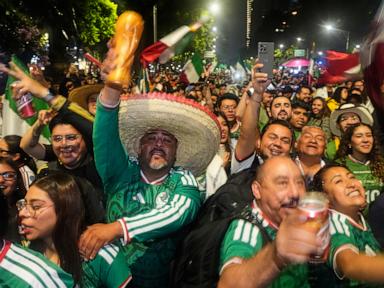
The media has found its favorite weeping boy for the upcoming World Cup cycle, and it is the working-class Mexican football fan.
You have already read the lazy, copy-paste narrative circulating across major sports desks. It goes like this: corporate greed, skyrocketing ticket prices, and FIFA's aggressive commercialization have priced real Mexican supporters out of stadiums. As a tragic consequence, these die-hard fans are forced to take celebrations into their own hands, gathering in town squares or neighborhood plazas to simulate the joy that has been stolen from them by global elites.
It is a beautiful, cinematic story. It is also completely out of touch with the reality of sports economics and modern fan behavior.
I have spent fifteen years tracking the commercial infrastructure of international football. I have watched sports marketing agencies, ticket brokers, and federations split the sports world into spreadsheets. The assumption that Mexican fans are passive victims sitting on curbs because they cannot afford a four-digit seat ticket ignores how global sports fandom actually functions.
The stadium seat is no longer the metric of true fandom. In fact, for the modern Mexican supporter, the street party isn't a tragic alternative to the stadium. It is the premier destination.
The Myth of the Excluded Fan Base
Let us dismantle the foundational premise of the pricing-out argument. The narrative assumes a static relationship: a fan lives in Mexico City or Monterrey, wants to go to a match at Estadio Azteca or Estadio BBVA, looks at the secondary ticket market, realizes it costs two months of wages, and stays home in tears.
This ignores the massive, decades-long demographic shift in North American sports spending. The standard "priced-out" article treats the Mexican fan base as a localized, economically homogeneous group. It completely blindspots the Mexican diaspora, specifically the immense purchasing power of Mexican-Americans and second-generation immigrants living in the United States.
When the Mexican National Team, El Tri, plays its frequent friendly matches across the US, it does not play in front of empty corporate boxes. It sells out NFL stadiums at premium price points. According to consecutive financial reports from Soccer United Marketing (SUM), the commercial arm that managed the Mexican National Team's US tours for decades, these matches consistently draw higher average ticket revenues than standard Major League Soccer or Liga MX fixtures.
The market has not eliminated the Mexican fan. The market has simply adjusted to where the capital is. The seats inside the stadiums are not being filled by wealthy tech executives who do not care about football; they are being filled by a highly passionate, highly capitalized binational fan base that treats a World Cup match as a multi-generational pilgrimage. To claim Mexican fans are excluded just because a specific resident in a specific local zip code cannot afford a match ticket is a fundamental misunderstanding of global demographics.
The Economic Reality of the Empty Seat
There is a hard truth that sports romanticists refuse to accept: stadiums are terrible economic engines for local fans during a mega-event.
Consider a thought experiment. Imagine a scenario where FIFA forces a price ceiling on World Cup tickets, capping group-stage seats at fifty dollars to ensure "local accessibility." What happens next? The basic laws of supply and demand do not cease to exist because we feel sentimental about football.
A price ceiling creates an instantaneous, massive black market. Speculators, automated bots, and professional scalpers buy up every single asset within milliseconds. The local fan still does not get the ticket at face value. Instead, the economic rent is transferred from the organizers to illicit ticket brokers on the secondary market. We saw this exact mechanic play out during the 2014 World Cup in Brazil, where heavily subsidized category-four tickets meant for local residents ended up in the hands of international tourists who bought them through unauthorized resale networks at a ten-fold markup.
By setting market-rate prices, organizers simply cut out the middleman. It is brutal, but it is transparent.
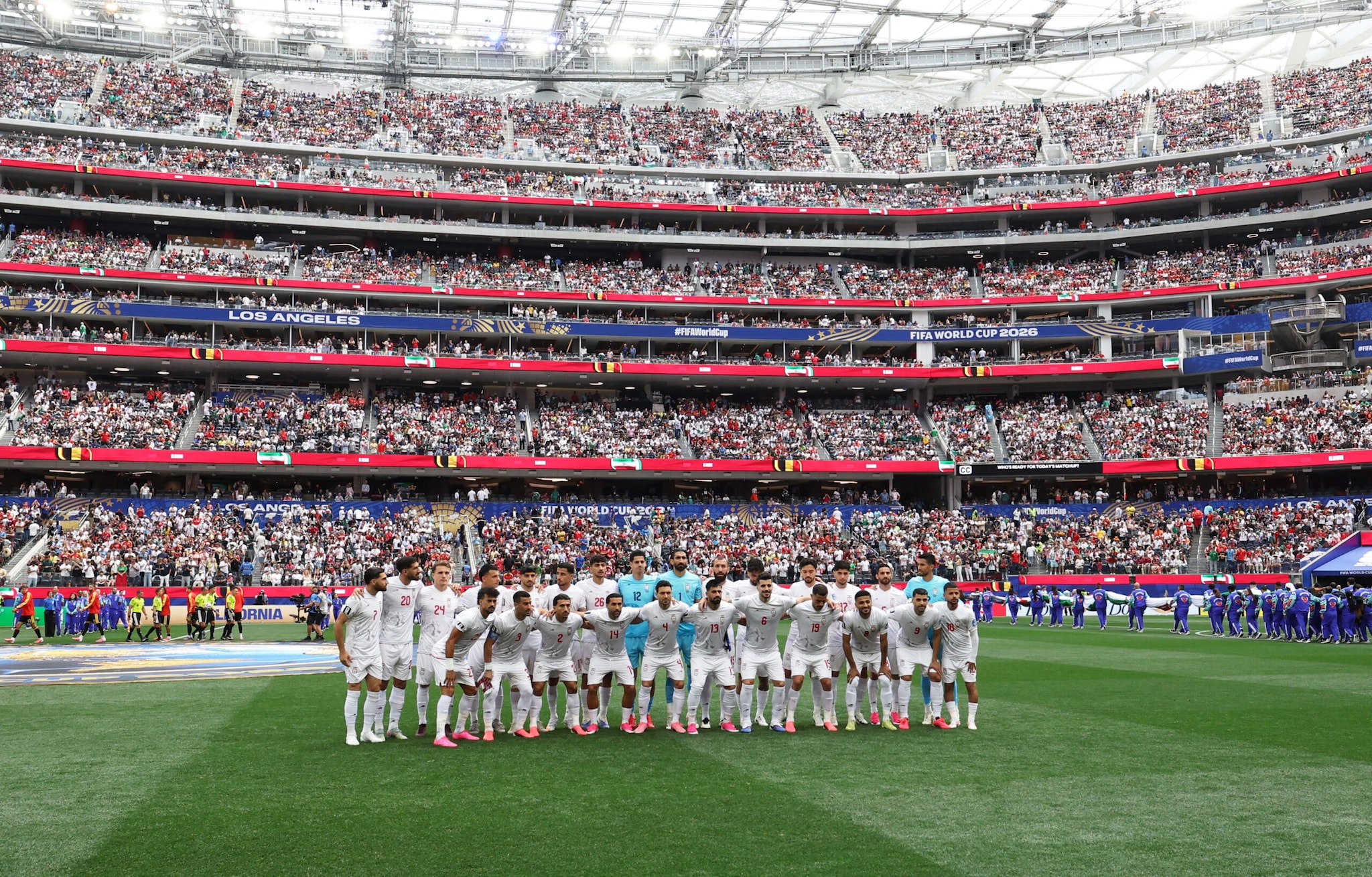
Furthermore, local fan cultures do not want to be contained inside a highly policed, sterile corporate bowl anyway. If you have ever stepped inside a modern FIFA-regulated stadium during a major tournament, you know it is an exercise in corporate compliance. The sponsors dictate what beer you drink, what merchandise you wear, and how loud you can play music. The spontaneous, chaotic joy that defines Mexican football culture cannot exist under the watch of stadium security staff enforcing seat assignments.
The Street is the Real Premium Experience
The media views the fan gathering in the public square as a consolation prize. That is an elitist viewpoint disguised as empathy.
For the modern supporter, the public viewing party, the massive fan festival, and the neighborhood block takeover are superior experiential products. Look at the data from previous tournaments. The official FIFA Fan Festivals consistently draw millions of attendees who report higher satisfaction levels regarding atmosphere than those sitting in the upper tiers of concrete stadiums.
Why? Because the street allows for collective unvetted expression. In the public square, you are not a consumer sitting in row 42, seat 12. You are part of a living, breathing carnival. The music, the food, the communal chanting, and the absolute freedom of movement are things money cannot buy inside a stadium concourse.
- Autonomy: No corporate bans on musical instruments, banners, or specific cultural expressions.
- Scale: A stadium holds eighty thousand people. A historic city plaza can hold hundreds of thousands, creating an acoustic and visual energy that dwarfs anything happening inside a corporate bowl.
- Accessibility: It removes the digital friction of ticketing apps, background checks, and restricted access zones.
The narrative wants you to believe that the fan outside the stadium is looking in with envy. The reality is that the fans inside the stadium are often looking at their phones, wishing they were out on the streets where the actual culture is being generated.
The Flawed Questions We Keep Asking
The sports press continually hits the same drum: "How do we make World Cup tickets affordable for the average citizen?"
This is the wrong question entirely. A World Cup is a scarce, quadrennial global asset. It cannot be democratized at the point of consumption without causing structural chaos or systemic corruption in the ticketing pipeline.
The real question we should ask is: "How do we protect public spaces so that corporate entities cannot monetize the natural celebration of the sport?"
The danger to Mexican football culture is not that stadium tickets cost a thousand dollars. The danger is that municipal governments and corporate sponsors continually try to enclose, privatize, or shut down the public squares where fans gather for free. When city councils ban street viewing parties or force fans into ticketed "sponsor villages" just to watch a big screen, that is where the real theft occurs.
Stop mourning the empty seats in the luxury suites. The corporate transformation of the stadium is a done deal, and it happened twenty years ago. The battlefield for the soul of the game is on the asphalt, in the plazas, and in the barrios.
The Mexican fans taking celebrations into their own hands are not losing. They are winning. They have rejected the high-priced, heavily sanitized corporate stadium product in favor of an authentic, self-governed football culture that money can neither buy nor replicate. Let the executives have their quiet, air-conditioned corporate boxes. The real tournament belongs to the street.