The Smell of Sulfur at Sea
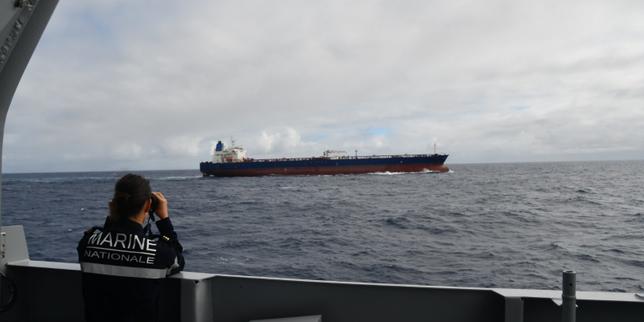
A rust-streaked tanker wallows in the grey swell of the Arabian Sea, its hull riding low under eighty thousand tons of dark fuel. On the bridge, a captain checks his AIS transponder. A flick of a switch, and on global tracking maps, his ship blinks out of existence. It becomes a phantom, floating through international waters without a digital footprint, carrying cargo that technically should not exist in the ledger books of Western trade.
This is where abstract geopolitical maneuvers take on physical shape. They smell of heavy bunker oil, salt spray, and the quiet tension of crewmen who know their cargo is forbidden in European ports, yet desperately sought after everywhere else.
When Washington talks about sanctions, energy markets, and diplomatic leverage, this is what they actually mean: thousands of iron hulls crisscrossing the globe, quietly rewriting the economic balance of power while the rest of the world looks on.
          [ RUSSIA ]
        (Urals crude)
              │
              ▼
   [ Shadow Tanker Fleet ]
 (Transponders dark / STS transfers)
              │
              ▼
       [ INDIA ]
  (Jamnagar / Vadinar)
    └── Refined into Diesel
              │
              ▼
   [ GLOBAL MARKETS ]
  (Europe, US, Asia-Pacific)
The Engine Room of the Global South
To understand how a potential deal between Donald Trump and Moscow over Russian diesel ripple outward to India, you have to leave the boardroom and step into the glare of Jamnagar on the coast of Gujarat.
Here, towering distillation columns slice into the sky, glowing like vast illuminated cities through the night haze. These gigantic refining complexes do not care about ideology. They care about crude blend specifications, sulfur content, API gravity, and margin calculations.
For decades, refineries in the West operated on predictable supply lines. Then came the war in Ukraine, followed by a blanket of Western sanctions designed to starve the Kremlin of cash without starving the world of fuel. It was an ambitious, almost contradictory objective. The global economy needed Russian oil to keep trucks moving, but Western leaders needed to ensure Moscow didn't profit.
Enter the Indian refiner.
India imported under one percent of its crude oil from Russia before 2022. Within months of Western buyers turning away, that number shot up toward forty percent. Indian firms bought heavy Russian Urals crude at discounts that reached twenty to thirty dollars a barrel below international benchmarks. They pumped it through giant refining networks, stripped out the sulfur, refined it into high-grade diesel and jet fuel, and exported it back to the exact Western nations that had banned direct Russian imports.
It wasn't a violation of the letter of the law. Under international trade rules, once crude oil is processed into a new refined product in a third country, its origin legally changes. Russian oil became Indian diesel. The wheels of global transport kept turning, and New Delhi sat at the center of the cash flow.
| Structural Shift | Pre-2022 Reality | Post-2022 Reality |
|---|---|---|
| Russian Crude Share in India | Less than 1% | Peak above 40% |
| Refining Dynamic | Basic margin processing | Global arbitrage hub |
| Logistical Route | Direct pipeline/tanker to Europe | "Shadow fleet" to Asia, refined export back West |
| Western Stance | Open crude markets | G7 Price Cap mechanism + refined product tolerance |
What Happens When Washington Changes the Deal
Now picture the chessboard shifting again.
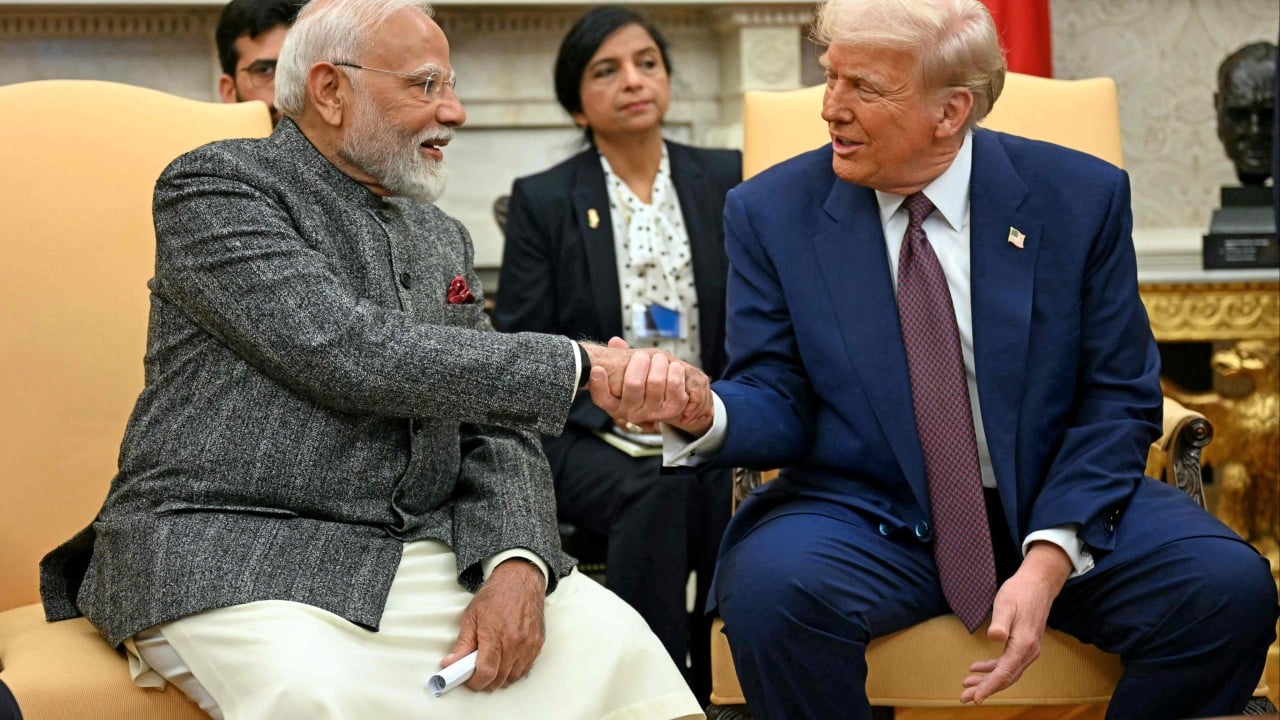
When American political leadership signals a willingness to strike direct energy arrangements with Russia—specifically around diesel trade and market stabilization—the immediate reaction in standard news commentary is simple: Does India lose its special position?
The answer is far more complex than a simple loss or gain.
If the United States facilitates direct channels for Russian refined products, or reshapes the sanctions architecture, the massive arbitrage margin Indian refiners enjoyed for two years shrinks. The easy spread disappears. But leverage is not just about keeping a single trade loop alive; it is about what you can demand when the balance of power tilts.
Consider the options facing Indian negotiators:
- Diversification Power: New Delhi has proved it can re-route its entire national energy supply chain in sixty days. That operational agility is a permanent threat to any vendor trying to squeeze terms.
- Refining Bottlenecks: Global refining capacity is notoriously tight. You can find crude in plenty of places, but you cannot easily build a three-hundred-thousand-barrel-a-day refinery overnight. India owns the hardware.
- Currency Flexibility: By executing trades in dirhams, rupees, and yuan, India helped demonstrate that global energy trade no longer depends exclusively on the Western banking clearing system.
When a country proves it can handle the logistics of keeping global diesel supplies stable during an existential geopolitical shock, it stops being a mere customer. It becomes systemic infrastructure.
The Human Reality of Energy Spreads
It is easy to get lost in macroeconomics, but energy is deeply visceral.
Walk through a trucking stop outside Mumbai at four in the morning. A line of Tata trucks sits idling, their diesel engines producing a steady, deep thrum that shakes the earth beneath your boots. The driver inside does not know the price of Brent crude versus Urals. He does not track G7 price caps or Western sanctions lists.
What he knows is the price at the pump. A five-cent spike in local fuel costs wipes out his profit margin for a three-day haul across Rajasthan. Multiply his cab by tens of millions of transport drivers, agricultural pump operators, and factory operators across South Asia, and you see why Indian leaders treated Western economic pressure as secondary to domestic price stability.
For India, cheap energy was never a luxury or an opportunistic geopolitical game. It was a matter of basic social peace.
The Long View
If a new American administration alters the sanctions landscape, direct Russian trade with the West might reopen in pockets, or shift through new intermediaries. Analysts relying on spreadsheets will tell you India's discount gravy train is rolling to a halt.
Look closer at the physical machinery of global trade.
The shadow fleet created over the past four years is not going away. The banking networks carved out outside Western jurisdiction are already built. The trade routes from the Baltic to the Arabian Sea are well-traveled. New Delhi has spent years proving to every major power—East and West—that it will prioritize its own internal energy security over moral pressure from foreign capitals.
If Washington enters direct arrangements with Moscow, India simply shifts gears. It uses its massive refining capacity as leverage against both parties. If Western buyers want cheap, reliable, legally clean diesel without touching crude stamped with a Russian origin directly, they still need the massive refineries on the Arabian Sea coast.
The balance of power didn't return to where it was before the war. The center of gravity moved, and it settled in the East.
          ┌────────────────────────────────────────┐
          │     Systemic Indian Refining Hub       │
          └───────────────────┬────────────────────┘
                              │
         ┌────────────────────┴────────────────────┐
         ▼                                         ▼
[ Scenario A: High Sanctions ]             [ Scenario B: US-Russia Deal ]
  • Buy discounted crude                     • Arbitrage margin tightens
  • Process & re-export West                 • Leverage shifts to hardware
  • High financial margin                    • Strategic flexibility maintained
The quiet trade goes on. Inside the control rooms at Jamnagar, the monitors flicker with live readouts of pressure, flow rates, and international spot prices. Outside on the water, another dark-hulled tanker turns toward the horizon, carrying the lifeblood of global commerce to whoever needs it next.
The Architecture of the Trade
How did India legally export Russian oil back to Western nations?
Under international maritime trade law, substantial transformation changes a product's country of origin. Processing crude oil into refined diesel inside an Indian facility transforms it into an Indian manufactured product, making it legal for import into nations with direct Russian crude bans.Why does a potential US-Russia diesel arrangement impact India?
If direct or permitted channels open between Western markets and Russian energy exports, the steep price discounts India commanded on raw crude may narrow, altering processing margins for export refiners.What is India's long-term advantage in global energy refining?
Beyond price arbitrage, India possesses immense physical refining capacity that meets strict Western environmental and sulfur standards, making its infrastructure essential to global fuel market stability regardless of raw crude origin.