Small importers across America just got hit with another broad tax on their supply chains, and two of them are taking the administration straight back to court.
When President Donald Trump’s earlier sweeping tariffs fell apart in federal courts, his policy team pivoted. They found a new statutory hook: Section 301 of the Trade Act of 1974. Framing the new 10% to 12.5% import taxes as a crackdown on forced labor abroad, the administration slapped duties on 60 economies overnight. But small business owners say this isn't a targeted human rights enforcement action. They call it a shell game designed to keep a global tariff regime alive under a different name.
The Liberty Justice Center filed a brand-new lawsuit in the U.S. Court of International Trade in New York. They're representing two independent firms: New York-based spice merchant Burlap & Barrel and California watch distributor Collective Horology. The lawsuit asks judges to shut down the forced labor duties, stop collections immediately, and force the government to pay back every dollar collected with interest.
Switching Statutes Doesn't Make Unlawful Import Taxes Legal
This isn't the first time American importers fought executive tariff orders and won. Back on February 20, the Supreme Court ruled 6-3 that the International Emergency Economic Powers Act didn't give the president authority to levy broad import duties across trading partners. The administration then tried a temporary 10% tariff under Section 122, which faced immediate legal roadblocks and expired.
As soon as that temporary measure lapsed, the Office of the United States Trade Representative rolled out these new forced labor duties under Section 301.
Section 301 isn't a new law. Past administrations used it frequently. However, historical uses targeted specific countries and explicit, proven unfair trade practices.
Instead of pinpointing actual forced labor violations, USTR Ambassador Jamieson Greer applied uniform blanket rates across 60 trade entities. When you count individual European Union member states along with territories like Hong Kong and Taiwan, the action covers 84 sovereign nations. That accounts for roughly 99.4% of all U.S. imports by value.
Sara Albrecht, chairman and CEO of the Liberty Justice Center, put it simply: changing the statute doesn't change the law. Every statutory tariff authority has explicit boundaries, and executive agencies can't simply ignore those boundaries when earlier legal theories fail in court.
Real Costs Hit Transparent Supply Chains
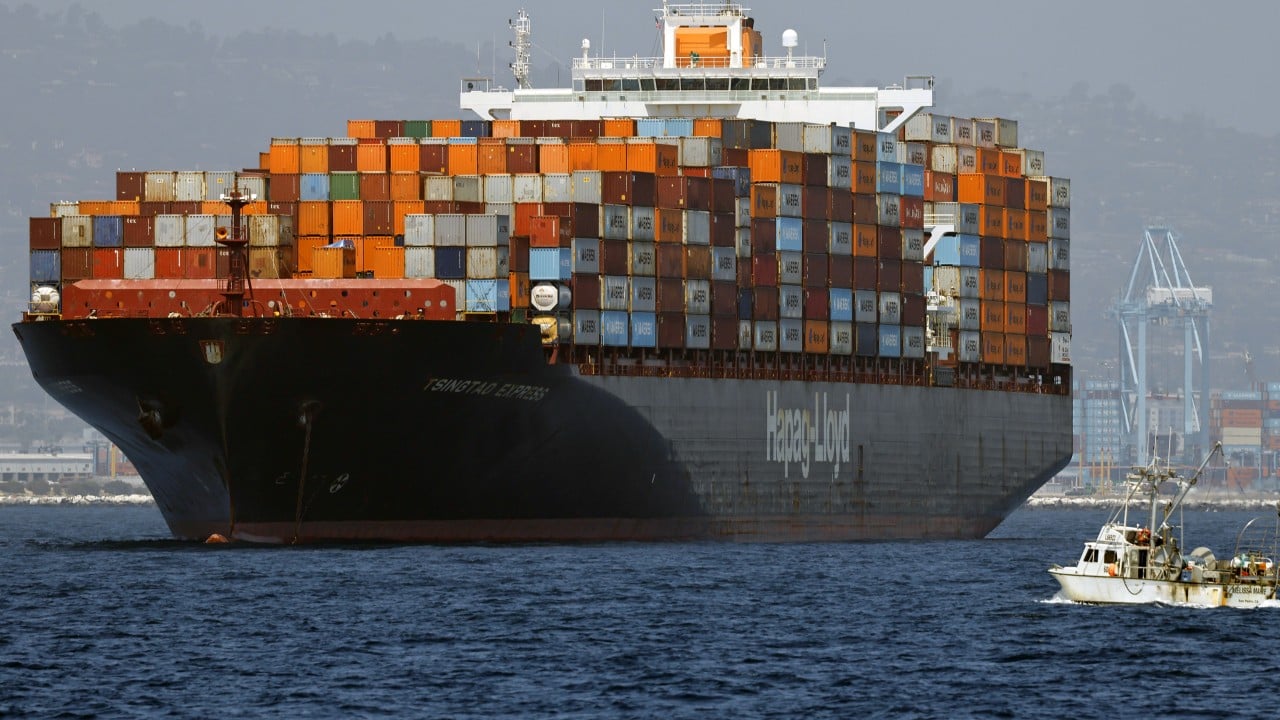
Small importers are bearing the brunt of these shifting legal strategies. Unlike massive conglomerates that can easily absorb sudden import duties or negotiate custom tax carve-outs, small firms run tight margins.
Look at Burlap & Barrel. Co-founder Ethan Frisch built his direct-trade spice company by working directly with smallholder farmers in countries like Canada, India, Spain, Turkey, and Vietnam. The company maintains full transparency in its supply chain, verifying fair wages and ethical working conditions at every origin point.
Under the new Section 301 rules, Burlap & Barrel expects to pay an extra $13,888 on five incoming spice shipments valued at $124,407.
The complaint highlights how taxing ethically sourced single-origin spices does nothing to stop human rights abuses overseas. It just penalizes American entrepreneurs who already track their supply chains responsibly.
Collective Horology faces the exact same headache. Importing high-end independent watches from France, Austria, and the United Kingdom, the retailer projects over $8,280 in extra fees on three upcoming shipments valued around $69,000.
These companies argue that USTR failed to show any record-based evidence linking their specific products or supplier nations to systemic forced labor. The administration levied uniform tariffs without explaining how taxing American watchmakers or spice buyers will pressure foreign governments to change their labor policies.
The Economic Impact Behind the Legal Fight
Fiscal watchdogs are tracking the revenue numbers closely. Nonpartisan estimates from the Committee for a Responsible Federal Budget indicate that these new forced labor duties will collect roughly $900 billion through 2036.
That sounds huge. Yet it replaces less than 60% of the revenue lost when the Supreme Court invalidated the earlier emergency tariffs. Because of this gap, national debt projections remain on track to reach 122% of GDP over the next decade.
The constant policy shifting creates real paralysis across the retail and manufacturing sectors. Over $166 billion was collected from more than 330,000 importers during earlier tariff iterations. Even though refund portals are opening up following court orders, business owners aren't spending those funds on hiring or expansion. They're holding cash in reserve to cover the next unexpected duty enforcement.
The legal complaint contends that USTR acted arbitrarily and capriciously under the Administrative Procedure Act. To meet Section 301 requirements, trade officials must show specific, country-by-country findings. Applying sweeping duties across 84 nations overnight skips that statutory duty entirely.
How Importers Can Protect Their Bottom Line Right Now
If your business imports goods from any of the 60 affected trade jurisdictions, don't wait for the court case to resolve itself before taking action.
- Keep meticulous records of all Section 301 duties paid at entry. Ensure your customs broker tags duty payments with specific entry summaries and legal protest notices.
- Document your supply chain compliance. Audit your direct suppliers and maintain verifiable records proving zero forced labor involvement in your production cycle.
- Talk to your trade counsel or customs broker about joining class-action administrative protests or filing protective suits to preserve your right to full interest-bearing refunds if the Court of International Trade strikes down these duties.