The desk is sticky. It always is in these temporary holding rooms on the fourteenth floor of a building that smells faintly of stale carpet and fluorescent hum. Outside, the Manchester rain is doing its usual grey work, smearing the view of the Irwell into a smudge of charcoal and slate.
Inside, an executive is sliding a silver pen back and forth across a mahogany veneer table. He has not slept in three days. None of them have. In related news, take a look at: The Structural Mechanics of Transit Strikes and Fuel Price Volatility.
Downstairs, the switchboards are still routing calls for millions of households who have no idea that the foundation beneath their daily broadband connection is currently being sliced into neat, sellable parcels. To the outside world, it is just a corporate restructuring. A portfolio optimization. A £200 million break-up.
Those are accountants' words. They smell of ink and graphite. They do not smell of sweat or the quiet panic of middle managers wondering if their pensions will survive the quarter. The Economist has provided coverage on this important issue in great detail.
Consider the anatomy of a dismantling.
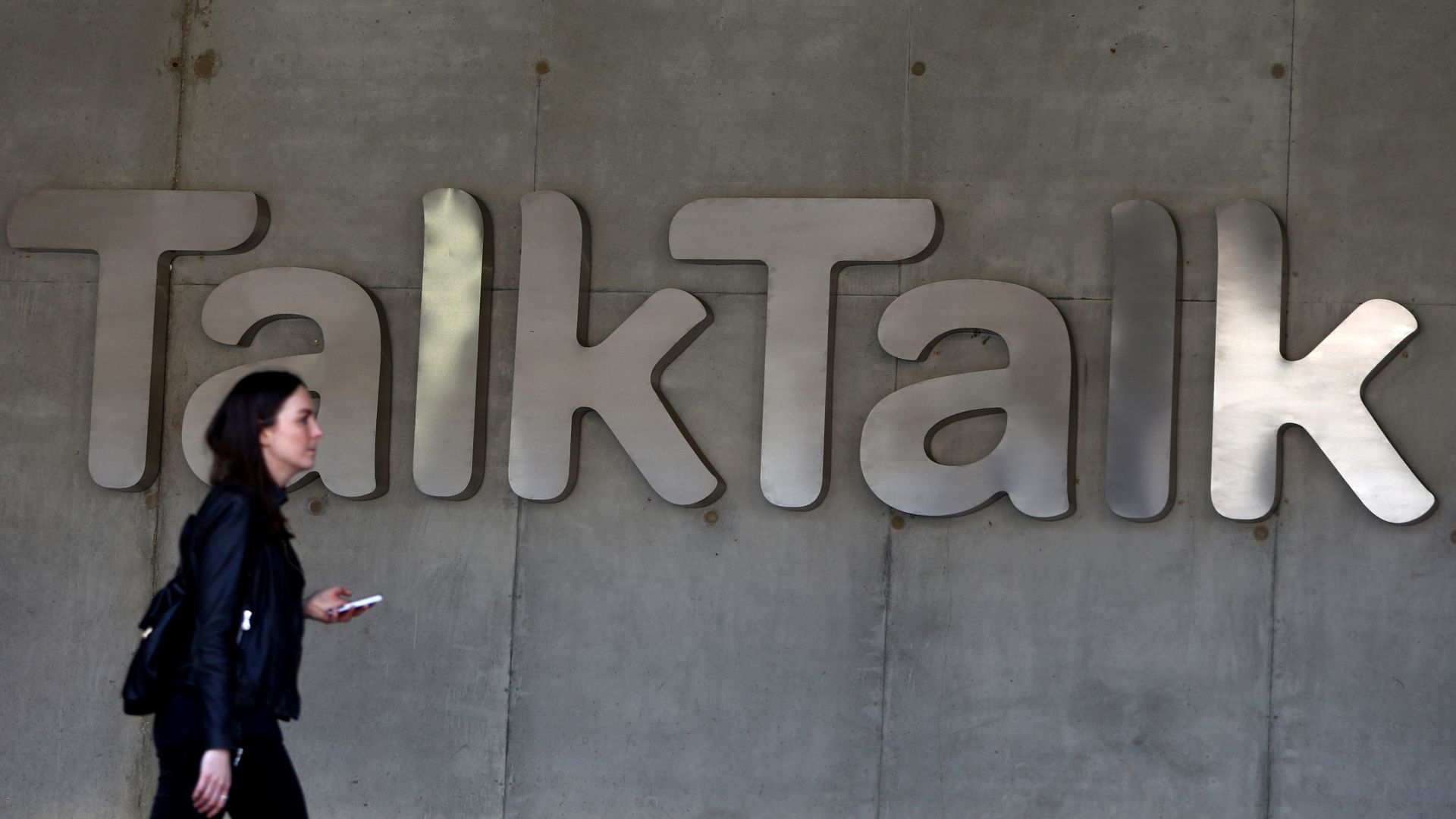
For two decades, TalkTalk was the noisy challenger in the British internet market. It was the orange-branded disruptor that promised cheap landlines and unbundled broadband to families who felt nickel-and-dimed by British Telecom and Sky. It grew loud and fast, driven by the sheer gravitational pull of value. But growth built on low margins is a fragile architecture. When interest rates shifted and infrastructure costs ballooned, the weight of that ambition turned from a engine into an anchor.
Now, the enterprise is being unbolted from its chassis.
Boutique private equity buyers and rival telecom scavengers are circling the perimeter. They are not looking at the brand. They are looking at the plumbing. They want the business-to-business division, the consumer broadband base, and the wholesale network assets, each cordoned off into isolated towers, ready to be stripped, optimized, or bolted onto bigger empires.
It is a familiar British corporate tragedy. A brand becomes too big to stay whole, but too valuable to simply disappear. So, the surgeons arrive with their scalpels and their spreadsheets.
Listen to the language in the boardrooms. They talk about "strategic optionality." They talk about "unlocking shareholder value."
Translate that. It means selling the furniture to pay the gas bill.
Behind every million-pound advisory fee and every dry financial wire bulletin lies a simpler, messier reality. Imagine Sarah. She is thirty-four, sitting in a kitchen in Leeds with a lukewarm cup of tea and a pile of past-due council tax bills. Her husband lost his warehouse job in November. Her internet connection—delivered through the very wires TalkTalk laid down and maintained—is her lifeline to remote freelance work. She does not care about private equity valuations. She does not care whether the £200 million breakup fee is settled in cash or debt restructuring. She cares that her Wi-Fi stays green when she hits send on an invoice.
When a corporate titan fractures, the shockwaves travel downward, rippling through customer service queues that suddenly grow longer, through automated cancellation emails that loop endlessly, and through investment budgets that get slashed overnight. The boardroom views the business as a balance sheet. The user views it as oxygen.
And yet, there is a strange, cold logic to what is happening.
The era of the hyper-extended quad-play challenger is over. In the modern telecommunications landscape, you either own the physical fibre buried beneath the asphalt, or you rent space from someone who does. Being stuck in the messy middle—owning neither the pure infrastructure monopoly nor the premium brand cachet of a Virgin Media or EE—is a dangerous place to inhabit.
The £200 million price tag isn't a valuation of success. It is a ransom for survival.
As the buyers close in, final bids are polished, regulatory clearances are whispered about in government corridors, and lawyers sign non-disclosure agreements that could paper a motorway. The management team wears the practiced, tight-lipped smiles of people who know their company is being parted out like a vintage car at an East End chop shop.
When the dust settles next year, the orange logos might still flicker on a few billboards. The bills will still arrive on time. But the entity that once fought tooth and nail to reshape how working-class Britain got online will exist only as a collection of ledger entries, owned by funds based in tax havens that have never seen a rainy afternoon in Manchester.
The pen stops sliding across the mahogany table. The executive looks up at the grey window, checks his watch, and turns back to the spreadsheet.
Another billion-pound tile clicks into place on the board.
The rain doesn't care. The fiber optic cables buried beneath the soggy turf don't care. They just carry the pulses of light, one zero and one one at a time, indifferent to who owns the company that sends the bill.


