The air in Suwon smells of ozone and high-stakes precision. Inside the cleanrooms of Samsung Electronics, the silence is expensive. It is a sterile, pressurized quiet where the slightest speck of dust is a catastrophe and a single minute of downtime carries a price tag in the millions. For decades, this silence was the heartbeat of South Korea’s economic identity. It was the sound of the "Miracle on the Han," a relentless, grinding gear that propelled a war-torn nation into the digital stratosphere.
But lately, the silence has changed. It isn't the quiet of productivity anymore. It is the heavy, suffocating stillness of a standoff.
Outside the gates, the blue vests of the National Samsung Electronics Union (NSEU) are no longer a background detail. They are the story. After months of circling the negotiating table, the bridge between the boardroom and the shop floor has collapsed. The deal is off. The strike is no longer a threat; it is a looming shadow over the global supply chain.
The Man in the Bunny Suit
Consider a technician we’ll call Ji-hoon. He is a hypothetical composite of the thousands currently weighing their futures, but his reality is grounded in the very real labor data emerging from Seoul. Ji-hoon spends ten hours a day encased in a white anti-static jumpsuit—a "bunny suit." To the world, he is a nameless gear in the machine that builds the HBM3E chips powering the global AI explosion. To his daughter, he is a tired man who misses dinner.
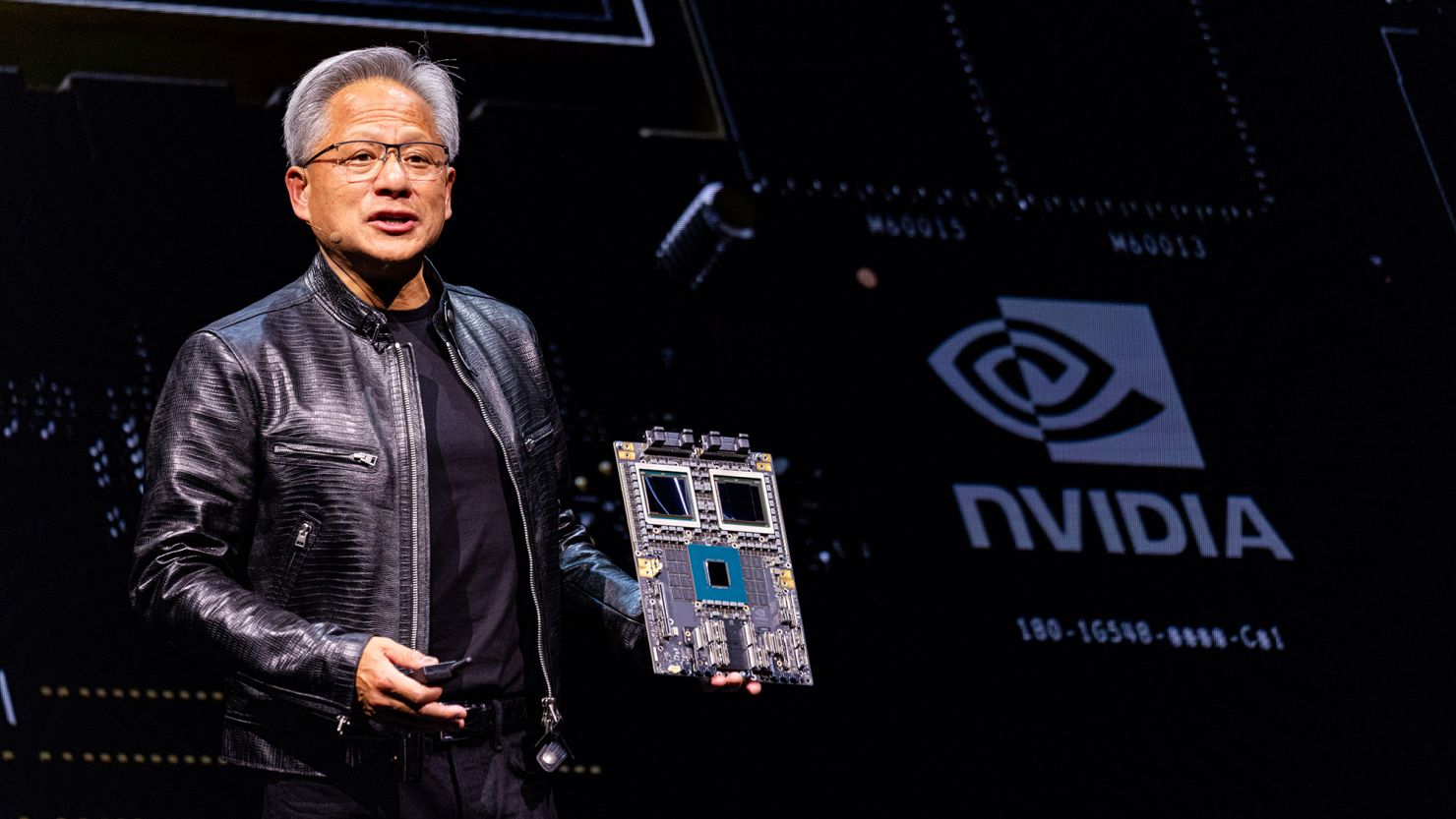
For years, the bargain was simple: give Samsung your life, and Samsung will give you security. It was a paternalistic pact that defined the chaebol system. But the math has shifted. While Nvidia’s stock price screams toward the heavens and the demand for high-bandwidth memory reaches a fever pitch, the men and women actually etching the silicon feel the squeeze of inflation and the sting of stagnant bonuses.
When the NSEU walked away from the latest round of pay talks, they weren't just arguing over a 5.1% versus a 6.5% raise. They were arguing over the value of a human life in an automated world. The union represents roughly 28,000 workers—nearly a quarter of the company’s domestic workforce. When that many people decide to stop moving, the world’s smartphones, data centers, and AI models feel the friction.
The Ghost of 1969
Samsung has spent the better part of five decades avoiding this exact moment. Since its founding in 1969, the company maintained a strict "no-union" policy, a philosophy championed by founder Lee Byung-chul. He famously vowed that unions would never be allowed "until I have dirt over my eyes." That era ended in 2020, following a public apology from the company's leadership and a promise to respect labor rights.
The current friction is the growing pain of a titan trying to learn a new language. Leadership is used to top-down mandates; the workforce is demanding a seat at the table.
The core of the dispute is deceptively simple and frustratingly complex. The union wants an extra day of annual leave and a transparent system for performance-based bonuses. In the boardroom, these look like line items that threaten the company’s agility in a cutthroat semiconductor market. On the factory floor, that extra day of leave is the difference between burnout and a weekend with family.
The Global Ripple
If you are reading this on a device, you are holding a piece of South Korea. Samsung controls about 40% of the world’s DRAM market and a massive chunk of the NAND flash market. When a strike looms in Suwon or Giheung, the tremors travel through the fiber-optic cables under the Pacific and land in the boardrooms of Apple, Microsoft, and Google.
The timing could not be worse for the tech giant. Samsung is currently locked in a desperate race to catch up with SK Hynix in the lucrative HBM (High Bandwidth Memory) sector. This is the specialized silicon required to run Large Language Models—the very brains of the AI revolution.
A strike doesn't just stop production; it kills momentum. In the chip business, if you stop innovating for a month, you are behind for a year. The "Invisible Stakes" aren't just about this quarter’s earnings. They are about who owns the future of intelligence. If Samsung’s lines go dark, the lead SK Hynix and Micron have carved out could become an unbridgeable canyon.
The Psychology of the Standoff
Negotiations are often described as a game of chicken, but that implies both parties are moving at the same speed. In reality, this is a clash of tempos.
Management moves at the speed of the fiscal year. They are looking at the volatility of the memory market, the looming threat of Chinese competition, and the necessity of massive capital expenditure. They see a 5% raise as a sustainable compromise.
The union moves at the speed of the grocery store. They see the price of living in Seoul skyrocketing. They see the record-breaking profits of the past decade and wonder why the "performance bonuses" seem to vanish the moment the workers ask for their share.
There is a profound sense of betrayal in the air. The "Samsung Man" was once a title of ultimate prestige in South Korea. Now, it feels to many like a gilded cage. The younger generation of workers—the Millennials and Gen Z who make up a significant portion of the union—don't share their parents' blind loyalty to the chaebol. They want transparency. They want a work-life balance that isn't a punchline.
The Invisible Cost of a Failed Deal
What happens if the strike moves from a threat to a total shutdown?
Historically, Samsung has used its sheer scale to weather storms. But the semiconductor ecosystem is more fragile than it used to be. Modern "fabs" (fabrication plants) are designed to run 24/7/365. You don't just "flip a switch" to turn them off. A sudden stoppage can ruin batches of wafers worth tens of millions of dollars. The chemical processes involved are delicate; the machines require constant calibration.
But the real cost is the erosion of trust.
Trust is the lubricant that makes a massive corporation function. When the workers feel that the "Samsung family" rhetoric is just a marketing slogan used to suppress wages, the internal culture begins to rot. You can't innovate when your engineers are looking at the exit signs. You can't achieve "Zero Defects" when the people on the line feel invisible.
The failure to reach a deal this week isn't just a breakdown in communication. It is a symptom of a deeper identity crisis within South Korea itself. The country is trying to decide if it is still a nation built on the backs of tireless, obedient workers, or if it is a modern democracy where the builders of the future deserve a say in how that future is divided.
The Weight of the Silence
Late at night, the lights of the Samsung digital city in Suwon never go out. They glow with a cold, blue efficiency that can be seen for miles.
If the strike proceeds, those lights will still be on, but the spirit behind them will be different. There is a specific kind of tension that exists when two sides have said everything they have to say and found no common ground. It is the sound of a gear grinding against a stone.
The world waits for the chips. The investors wait for the margins. But the people in the white suits are waiting for something much simpler. They are waiting to be heard in a system that was designed to keep them quiet.
The silence in the cleanroom is about to get much louder.