The air in Tehran holds the weight of a century. It tastes of dust, sun-baked concrete, and the lingering, acrid exhaust of a million internal combustion engines. For decades, the rhythm of the city has been dictated by the flow of oil. It is the lifeblood of the nation, the source of its geopolitical tension, and the curse of its urban infrastructure.
But something is shifting. It is quiet. It arrives not with the roar of a V8 engine, but with the high-pitched, almost imperceptible whine of an electric motor.
Across the globe, in the sprawling, neon-lit factory floors of Shenzhen and Ningde, engineers are looking at a map. They see the sanctions. They see the isolation. And where traditional Western manufacturers see a locked door, they see an open invitation. This is not just a commercial transaction. It is a fundamental rewriting of how a society moves when the world tries to stand still.
Consider Reza. He is an automotive engineer in a mid-sized firm in Tehran. For years, he has fought the slow decay of his industry. Parts are hard to come by. The currency fluctuates with the wind. He drives an aging sedan that coughs smoke into the alleyways, a relic of a dying era. He knows the math better than anyone. Iran has vast energy resources, yet the grid is fragile, a spiderweb of wires stretched thin by heat and demand.
Then, he sees the shipment.
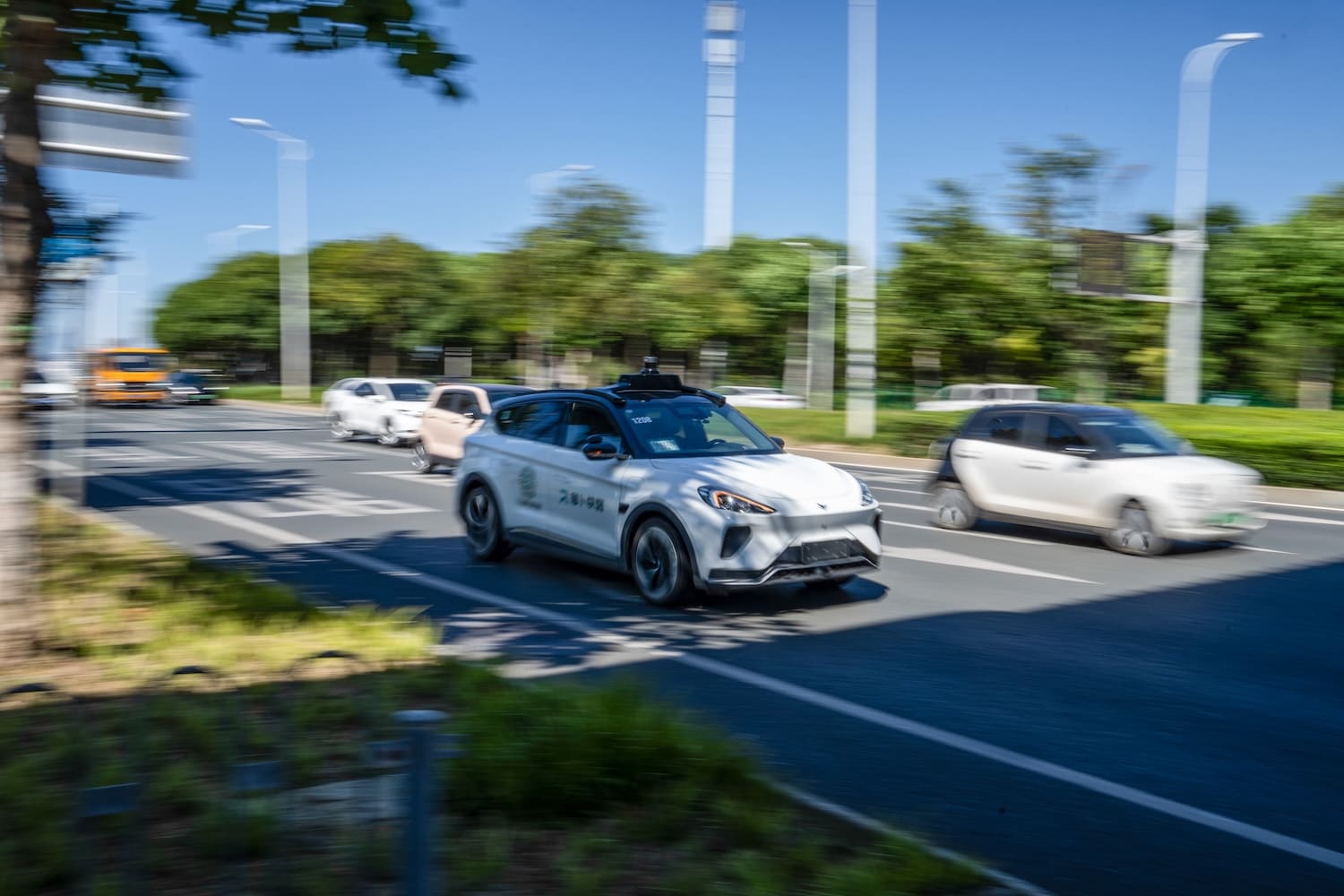
It is a fleet of electric vehicles arriving at the port. They are sleek, sharp-edged, and strangely silent. They are Chinese. They are not merely cars; they are mobile power storage units.
The story here is not about politics. It is about physics and patience.
When you strip away the treaties and the embargoes, you are left with a simple, brutal reality: the world is moving toward electrification, and those who remain tethered to the pump are being left behind. China understands this. They have spent years building a supply chain that starts in the mines of the Global South and ends in the charging stations of the world. By pushing these vehicles into markets like Iran, they are doing two things simultaneously. They are offloading excess production capacity from a saturated domestic market, and they are seeding a new infrastructure in a place that has no other viable path forward.
The technical specifications are secondary to the emotional impact. Imagine the difference. A car that requires no oil change. No spark plugs. No trip to the station where you inhale fumes while waiting for the pump. Instead, you plug it in. You walk away. You come back, and it is full.
But the Chinese approach offers more than just utility. They are introducing the five-minute charge.
Think about that. Five minutes. The time it takes to buy a coffee. In a country where the power grid is often viewed with suspicion or fear of instability, the ability to charge a battery rapidly and then disconnect from the grid changes the relationship between the machine and the energy source. You no longer need a massive, monolithic power plant to keep the cars moving. You need localized, efficient, high-capacity storage.
This is where the narrative takes a turn into the realm of the extraordinary.
We are not just talking about cars on the road. We are talking about the air above them.
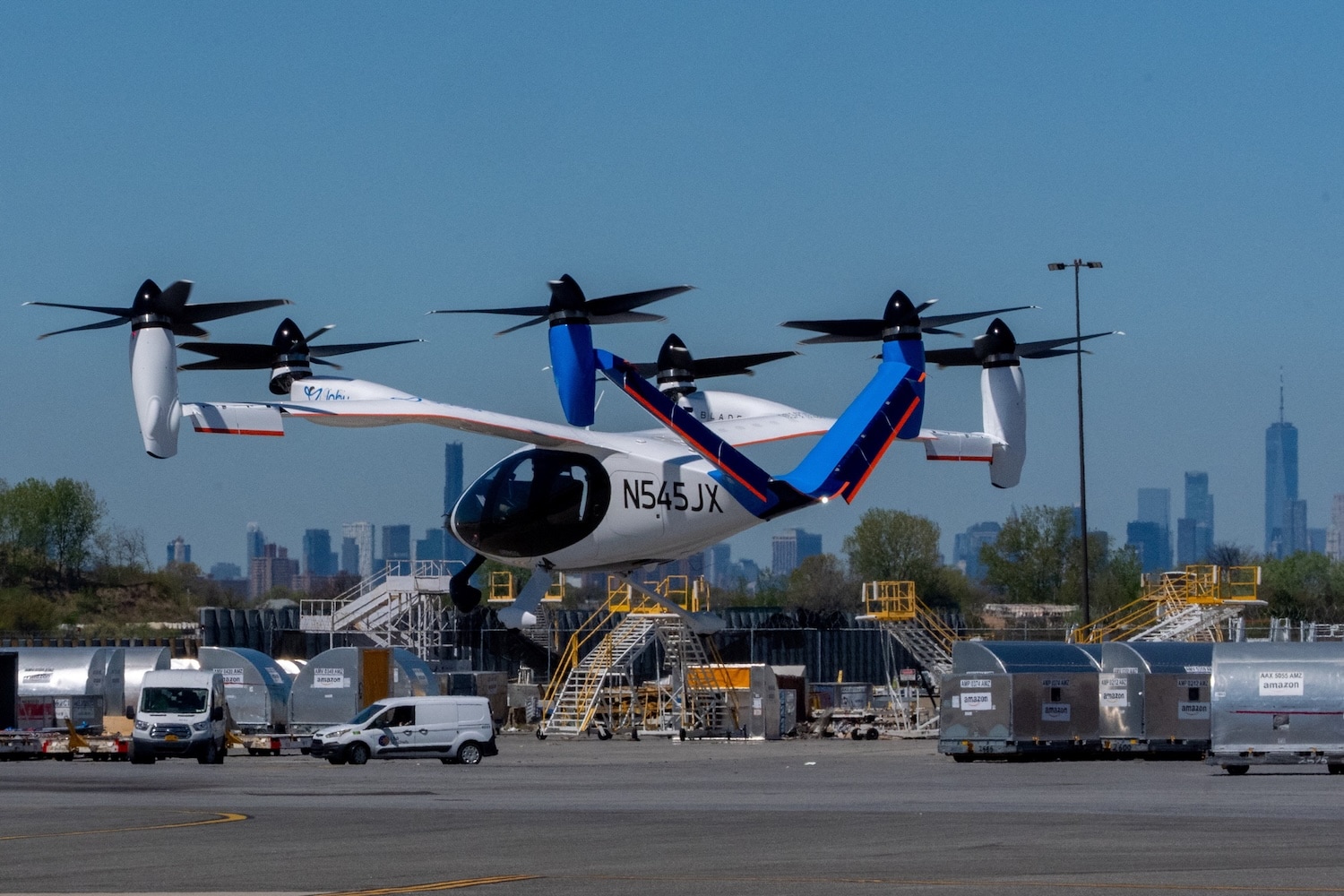
The conversation around flying cars—or, more accurately, electric vertical take-off and landing vehicles—has long been dismissed as science fiction or the folly of the ultra-rich. But look at the geography of Tehran, or any city caught in the vise of sanctions and crumbling infrastructure. The roads are choked. The highways are broken. A car, no matter how electric or efficient, is still a prisoner of the asphalt.
An aerial vehicle, however, is not.
If you cannot build the road, you fly over it. China’s foray into eVTOL technology is not about convenience for the wealthy. It is about a leapfrog strategy. It is about bypassing the physical limits of a nation that has been prevented from modernizing its surface transportation. By introducing this technology to markets that are hungry for progress, manufacturers are essentially building a parallel reality.
Reza watches a demonstration of a drone-like craft lifting off a pad. It rises with terrifying grace. No runway. No tarmac. Just vertical ascent.
He realizes then that the rules of the game have been rewritten. He had spent his life waiting for the economy to catch up to the rest of the world. He now realizes that the rest of the world is no longer moving on the same track.
There is a vulnerability in this transition. It is risky. To tie one’s national mobility to a foreign power is to accept a new kind of dependency. The cars are proprietary. The software is closed. The batteries are controlled by the giants in the East. But when the alternative is stagnation—a slow slide into obsolescence—the choice becomes simple.
You take the lifeline.
This is the hidden cost of the crisis. It is not just the price of a barrel of oil or the sanctions that make daily life harder. It is the cost of being excluded from the rapid iteration of technology. When you are cut off, you do not evolve. You ossify. China’s entry into this space provides the heat needed to melt that ice.
There is a profound irony here. The very nations that sought to punish Iran by shutting off the flow of traditional commerce have inadvertently cleared the way for a faster, cleaner, more efficient technology to take root. They wanted to isolate. They ended up accelerating.
Every night, Reza walks to his window. He looks down at the street. The lights of the city are dim, flickering as the grid struggles to keep pace with the evening rush. But down there, plugged into a wall, is the future. It glows with a faint, steady light.
It is silent.
It is waiting.
And for the first time in a generation, the people on the street are looking not at the pump, but at the plug. They are looking at the horizon, where the sky is finally open. The transition has begun, and it will not wait for the diplomats to finish their speeches. The current is already flowing. The motors are ready to turn. And the road ahead, however uncertain, is no longer made of asphalt. It is made of light.