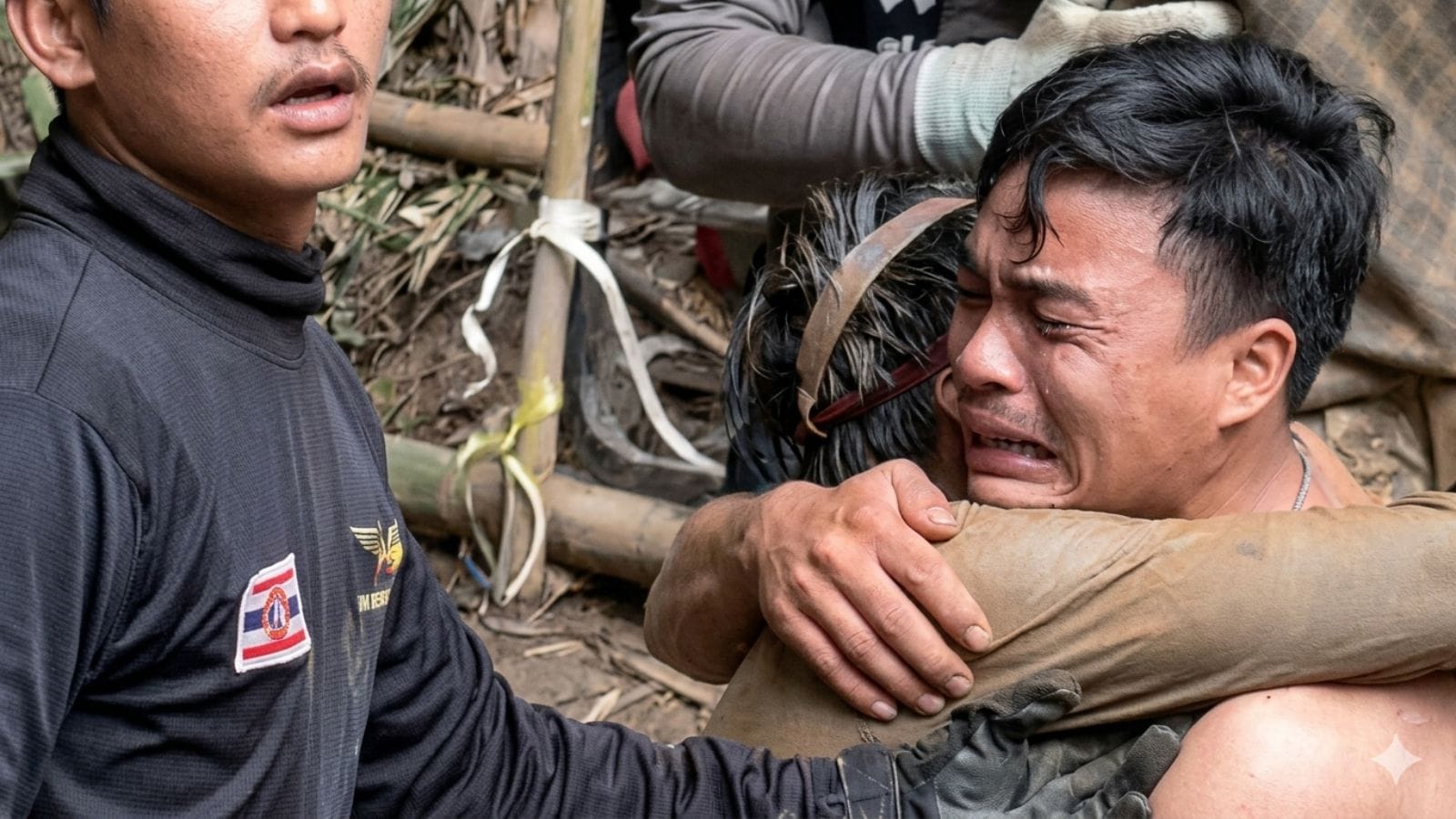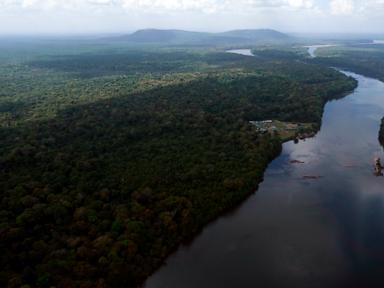
A Guyana Defence Force patrol boat rounded a bend near the Black Water junction of the Cuyuni River, its outboard motors battling the heavy brown current, when the tree line on the Venezuelan bank erupted in automatic gunfire. By the time the ambush concluded, a Guyanese soldier lay bleeding in the hull from two bullet wounds to his right leg, and civilian supply vessels were fleeing the kill zone under a hail of covering fire.
This is the grim reality of South America’s most volatile border. While diplomats trade barbs over the oil-rich Essequibo region at the International Court of Justice in The Hague, a low-intensity, undeclared war is being fought daily by isolated platoons on the muddy waterways dividing Guyana and Venezuela. The recent clash along the Cuyuni corridor is not an isolated border misunderstanding. It is part of a calculated, asymmetrical strategy to destabilize Guyana’s frontier at the exact moment the country asserts its sovereignty on the global stage. Don't miss our earlier post on this related article.
The Geometry of an Ambush
The firefight occurred at 11:30 hrs as a Guyana Defence Force (GDF) tactical unit was escorting three civilian logistics vessels from Makapa to the remote military outpost at Eteringbang. This stretch of Region Seven is notoriously difficult to police. The thick rainforest canopy limits aerial surveillance, turning the river into a dangerous corridor where visibility is measured in yards.
The attackers used the topography to their advantage, firing from elevated positions on the Venezuelan side of the river. According to military reports, the GDF ranks immediately initiated counter-fire, executed tactical maneuvers to shield the civilian boats, and forced the convoy out of the engagement zone. The wounded soldier was stabilized on-site before being medically evacuated by the GDF Air Wing to Georgetown. If you want more about the background here, The Washington Post offers an excellent summary.
This attack marks the ninth time a Guyanese soldier has been wounded in this specific corridor over the past 14 months. In February 2025, a similar ambush near the same location left eight soldiers injured after an intense firefight with masked gunmen operating from wooden boats. The recurring nature of these incidents points to a systematic breakdown of border security, driven by actors who face no consequences from Caracas.
Syndicates and State Sanction
The identity of the gunmen remains shrouded in the chaotic gray zone of eastern Venezuela. While the Maduro regime officially denies involvement, intelligence reports consistently point toward the Sindicatos—heavily armed, quasi-military syndicates that control the illegal gold mines and smuggling routes threading through the Venezuelan state of Bolívar.
The relationship between these criminal enterprises and the Venezuelan state is transactional. The syndicates operate with a degree of autonomy in exchange for maintaining order and funneling wealth back to corrupt regional commanders. By allowing these irregular groups to harass Guyanese patrols, Caracas achieves a secondary strategic objective: maintaining constant psychological and military pressure on Guyana without technically committing an overt act of war that would trigger international defense treaties.
The Petroleum Prize and the Legal Trap
The timing of this border violence is rarely accidental. The latest ambush coincided directly with Guyana presenting its oral arguments before the International Court of Justice, seeking a final validation of the 1899 Arbitral Award that established the current boundary.
Venezuela has long coveted the Essequibo, a vast, resource-rich territory comprising nearly two-thirds of Guyana's landmass. The stakes skyrocketed over the last decade following massive offshore oil discoveries in the Stabroek Block, transforming Guyana into one of South America's top petroleum producers.
Essequibo Conflict Timeline:
├── 1899: Arbitral Award establishes current border
├── 1966: Geneva Agreement signed amid political shifts
├── 2019: Guyana files ICJ case to validate the 1899 border
├── 2023: Venezuela holds controversial annexation referendum
└── 2026: Oral arguments conclude at the ICJ amid rising border clashes
Venezuela’s Executive Vice President Delcy Rodríguez openly stated that Caracas will ignore any final ruling from the ICJ that favors Georgetown. This defiant stance, coupled with the re-election of Guyanese President Irfaan Ali on a fierce pro-sovereignty platform, ensures that the geopolitical friction will only intensify. Venezuela is setting the stage to reject international law by creating a narrative of constant border insecurity.
The Geopolitical Chessboard
As the physical risk to Guyana’s troops increases, international alliances are shifting to counter the Venezuelan threat. The conflict is drawing in global heavyweights wary of a Venezuelan land grab in an oil-rich democracy.
France recently reaffirmed its unyielding support for Guyana’s territorial integrity, a move underscored by the opening of a full French embassy in Georgetown. French Armed Forces based in neighboring French Guiana have begun participating in joint regional security exercises. Simultaneously, Washington keeps a watchful eye on the region, balanced against its own complex oil diplomacy and previous rhetoric from the Trump administration regarding Venezuelan resources.
Guyana faces a stark asymmetry. Its military, though professional and highly trained for riverine warfare, numbers only a few thousand active personnel. It faces a Venezuelan military apparatus that, despite years of economic decay, possesses significant conventional firepower and a willingness to utilize irregular proxies to achieve state goals.
The strategy for Guyana cannot rely solely on the courtroom in The Hague. Defending the western border requires permanent, fortified observation posts along the Cuyuni River, advanced drone surveillance capable of penetrating the jungle canopy, and continuous joint patrols with international partners. Until the cost of staging these ambushes becomes too high for the syndicates and their patrons in Caracas, the brown waters of the Cuyuni will continue to run red.