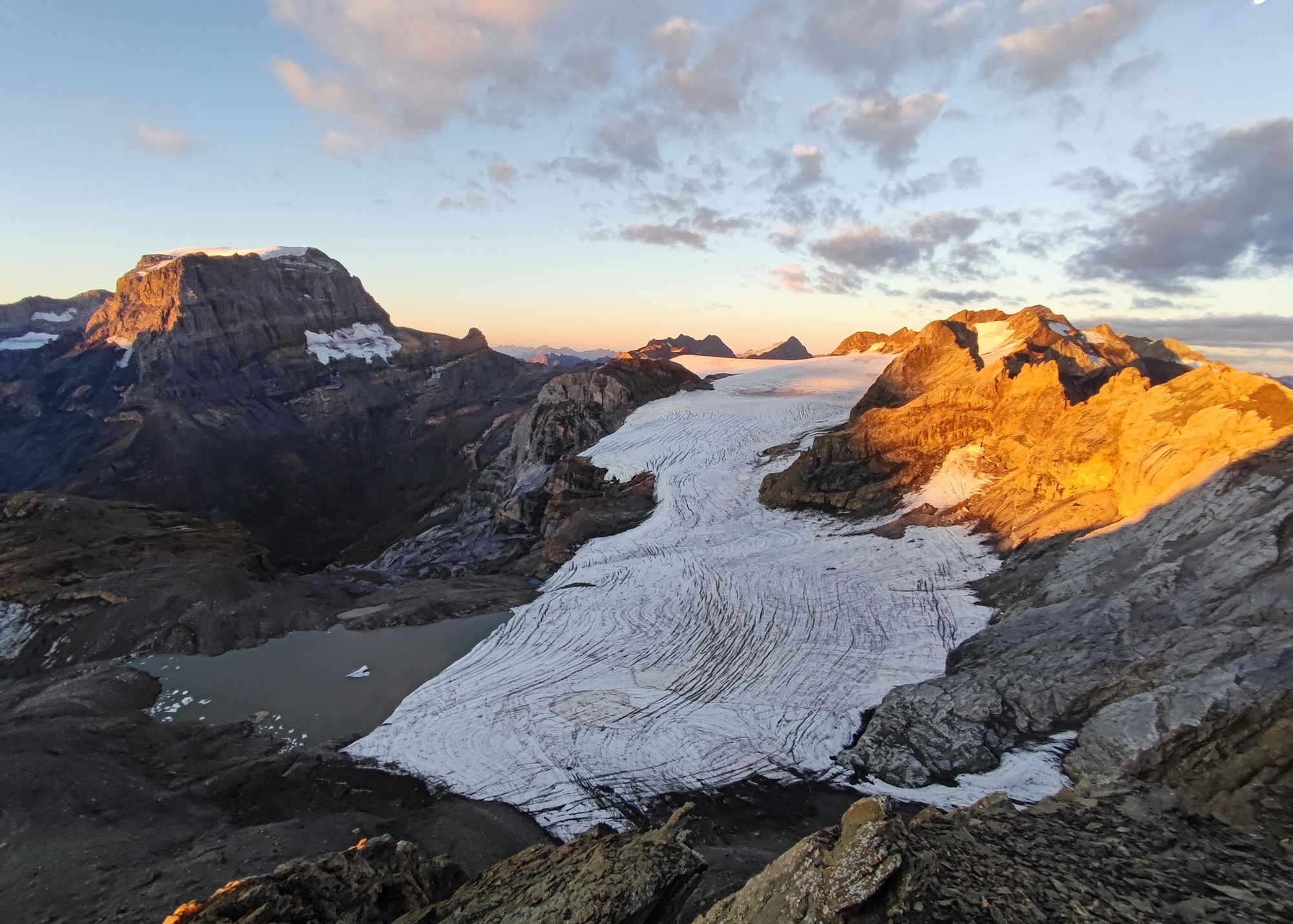
Ice is disappearing from the Alps at a velocity that defies historical precedent, marking a profound shift in Central Europe's hydrological baseline. Swiss glaciers lost another staggering fraction of their remaining volume, continuing a relentless multi-year drainage event that transforms ancient freshwater reservoirs into barren rock. When observers look at the high peaks, they often focus on the aesthetic tragedy of retreating white expanses. That sentimentality misses the real structural crisis. The disappearance of alpine ice is an industrial, economic, and geopolitical stress test that downstream communities are currently failing.
Decades of monitoring by organizations like the Swiss Glacier Monitoring Network reveal a grim trajectory. The melt is no longer a gradual recession; it is structural destabilization. This acceleration stems from an interconnected feedback loop of rising baseline temperatures, shifting winter precipitation patterns, and the exposure of dark bedrock that absorbs solar radiation rather than reflecting it.
The Mechanics of Accelerated Mass Loss
Understanding why Swiss glaciers are vanishing requires looking beneath the surface mechanics of firn accumulation and ablation. Glaciers are dynamic bodies of compressed snow and ice that act as natural savings accounts. They accumulate mass during cold, snowy winters and lose mass during summer melt seasons. For centuries, these cycles maintained a delicate equilibrium.
That equilibrium is broken. Winter precipitation increasingly falls as rain rather than snow, washing away the protective insulating layer that normally shields the underlying ice from early summer heatwaves. Once that seasonal snowpack vanishes, the glacial ice is completely exposed to sustained atmospheric heat.
Darkened by windblown mineral dust, soot, and biological growth, the exposed surface albedo drops drastically. The ice absorbs more thermal energy, accelerating subsurface drainage networks. Meltwater plunges through vertical shafts known as moulins, lubricating the bedrock interface and causing the entire tongue of the glacier to slide faster toward the valleys. This dynamic fractures the ice mass, creating internal stress that speeds up total disintegration.
The Economic Fallout Downstream
Water drives the Swiss economy just as much as banking and precision manufacturing. The glacial retreat threatens the entire hydro-energy infrastructure of the continent. Alpine reservoirs rely on predictable seasonal meltwater to generate hydroelectric power during peak summer demand.
As glaciers shrink, the immediate aftermath brings higher river flows, creating temporary management hazards. Following that brief surge, the long-term reality is a severe deficit. During prolonged dry spells, rivers like the Rhine and the Rhône drop to levels that restrict commercial barge traffic, choke industrial cooling systems, and starve agricultural irrigation networks across Western Europe.
Energy companies face staggering capital expenditures to adapt. Reservoirs must be redesigned or relocated higher up in steep alpine valleys to capture diminishing runoff before it evaporates or percolates uselessly through unstable moraines. These engineering projects require immense investment, shifting financial burdens onto taxpayers and utility consumers.
Geopolitical and Territorial Fractures
Water rights and borders in the high mountains are literally mapped in ice. Many international boundaries in the Alps follow watersheds and ridgelines defined by permanent snow and ice formations. As glaciers melt and shift, these physical markers move, forcing neighboring nations to renegotiate border treaties.
Domestically, municipalities face escalating hazards from permafrost degradation. Mountain slopes held together by frozen soil and ice for millennia are now turning into unstable slurry. Rockfalls and catastrophic debris flows threaten transit corridors, hiking infrastructure, and alpine villages. Engineering solutions, such as artificial snowmaking, reflective geotextile blankets draped over shrinking ice patches, and sub-glacial anchoring, offer temporary local relief. They are expensive bandages applied to a continental wound, slowing the inevitable by a fraction of a percent while consuming vast resources.
The systemic erosion of alpine ice signals the end of a climatic era that civilization took for granted. The water is gone, and no amount of remediation will bring it back once the bedrock stands bare under the summer sun.