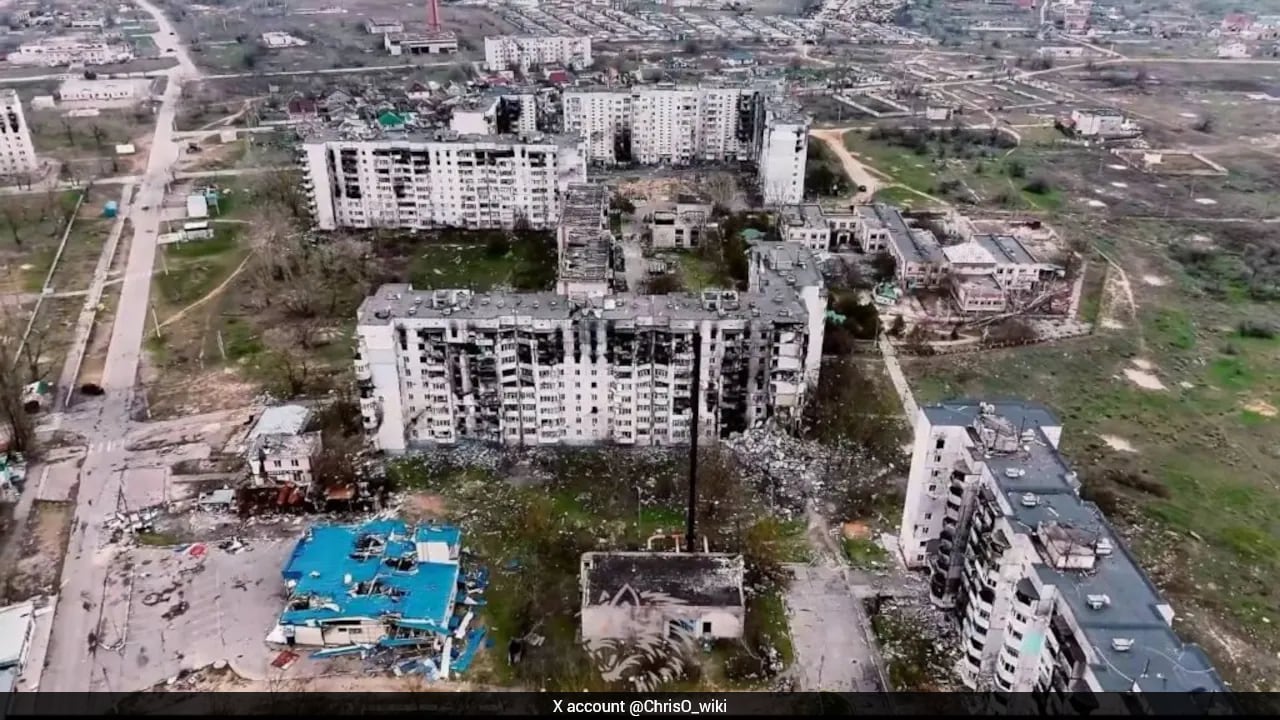
The intersection of prolonged urban siege warfare and high-profile international diplomacy creates a stark divergence between macroeconomic survival mechanics and political messaging. When a frontline city in Ukraine experiences prolonged blockade conditions, civilian subsistence reverts to pre-industrial foraging strategies—specifically the consumption of wild flora—while external diplomatic interventions often focus on symbolic or localized truce frameworks that fail to alter the underlying logistics of supply. Understanding this phenomenon requires separating the theatrical mechanics of political mediation from the hard thermodynamic realities of caloric deficits in isolated urban centers.
The Anatomy of an Urban Supply Collapse
Modern cities operate as just-in-time logistical networks. They do not store food; they move it. When kinetic conflict severs rail links, arterial highways, and electrical grids simultaneously, the urban metabolic rate collapses within days.
- Primary Distribution Failure: Commercial supply chains cease operations immediately upon the introduction of artillery threat along transit corridors. Insurance underwriting vanishes, fleet operators withdraw rolling stock, and wholesale distribution hubs become high-value military targets.
- Cold Chain Breakdown: Destruction of electrical substations eliminates refrigeration capacity within 24 to 48 hours. Perishable protein and dairy reserves spoil rapidly, compressing the available caloric window to dry goods and canned provisions.
- Hyper-Localized Inflation: As currency loses utility due to the absence of inventory, exchange reverts to barter. High-density calories—fats, sugars, and grains—become the de facto reserve currency, pricing out non-combatant populations with fixed or interrupted incomes.
This structural collapse forces a rapid regression down the food chain. Civilians transition from passive consumers in a complex market economy to active foragers operating within a high-risk kinetic environment.
The Mechanics of Subsistence Foraging
When commercial and humanitarian corridors fail, urban populations turn to wild plants—frequently characterized in media narratives simply as "weeds." From an agronomic and nutritional standpoint, this behavior is a predictable physiological response to acute caloric and micronutrient starvation, governed by strict biological trade-offs.
Wild urban flora such as dandelion (Taraxacum officinale), stinging nettle (Urtica dioica), plantain (Plantago major), and lamb's quarters (Chenopodium album) provide critical micronutrients, notably vitamins A, C, and K, alongside trace minerals like iron and potassium. These compounds prevent acute deficiency diseases such as scurvy and severe anemia during prolonged sieges.
The primary limitation of wild foraging as a survival strategy is caloric density. Leafy wild greens average between 20 and 45 kilocalories per 100 grams. An adult human under extreme psychological and physical stress requires roughly 2,000 to 2,500 kilocalories daily to maintain basal metabolic function and thermoregulation. Meeting this threshold purely through wild flora requires harvesting and digesting between 4.5 and 10 kilograms of plant matter per day.
This creates a severe thermodynamic bottleneck. The human digestive tract cannot process that volume of insoluble fiber without experiencing acute gastrointestinal distress, malabsorption, and accelerated fluid loss. Foraging without access to clean boiling water introduces secondary lethal risks, including waterborne pathogens and heavy metal toxicity from soil contaminated by ordnance, fuel spills, and pulverized building materials. Wild plants serve as a temporary micronutrient bridge, not a sustainable caloric solution.
Diplomatic Optics Versus Logistical Reality
Media narratives frequently juxtapose extreme civilian deprivation against high-profile diplomatic interventions, such as localized ceasefire agreements or humanitarian corridor negotiations brokered by prominent political figures. Analyzing these events requires distinguishing between diplomatic signaling and operational execution.
In modern asymmetric and conventional conflicts, localized truces often suffer from a fundamental principal-agent problem. High-level political actors may negotiate a cessation of hostilities in a specific sector to achieve strategic messaging goals or demonstrate diplomatic reach. Translating a political agreement into a functional, secure logistics corridor requires granular compliance across fragmented command structures, artillery batteries, and autonomous drone units operating at the tactical edge.
When a diplomatic framework lacks verifiable enforcement mechanisms—such as neutral third-party monitors on the ground, synchronized deconfliction protocols, and mutually assured penalties for violations—the ceasefire remains purely declaratory. Humanitarian convoys cannot insure or dispatch vehicles into a contested zone based solely on political announcements. The result is a persistent gap between the headline achievement of a brokered peace and the ground reality where residents continue to harvest wild greens to survive.
The Four Variables of Humanitarian Corridor Viability
To evaluate whether any brokered truce in a besieged Ukrainian municipality can actually transition the population off subsistence foraging, analysts must measure four operational variables rather than relying on diplomatic statements.
- Kinetic Stand-Off Distance: Artillery and first-person-view (FPV) drone ranges dictate corridor safety. A functional humanitarian route requires a verified withdrawal of indirect fire systems beyond their maximum effective range from the transit road, typically exceeding 15 to 25 kilometers.
- Mine and UXO Clearance Throughput: Even if kinetic fire ceases, paved and unpaved roads in contested zones are heavily seeded with anti-vehicle mines, scatterable munitions, and unexploded ordnance (UXO). Corridor viability depends on the deployment rate of specialized sapper teams, which moves at a fraction of the speed of political negotiations.
- Grid Restoration Capacity: Delivering raw dry goods to a city without electricity, gas, or potable water only solves half the metabolic equation. Without fuel or power to boil water and cook grains, raw calories remain largely indigestible.
- Sustained Convoy Cadence: A single televised aid delivery provides a temporary spike in local inventory but fails to alter long-term survival trajectories. Replacing foraging requires a continuous daily tonnage flow calculated precisely against the remaining civilian headcount.
Media Framing and the Compression of Causality
Journalistic coverage of frontline survival often relies on stark contrasts—pairing the visceral imagery of citizens eating weeds with the recognizable names of international political figures. While effective for capturing audience attention, this framing compresses complex, multi-causal failures into a simplified binary narrative.
The framing obscures the timeline of deprivation. Severe malnutrition and forced foraging do not emerge overnight; they are the cumulative result of months of systematic infrastructure degradation, deliberate targeting of energy networks, and the weaponization of supply chains. Attributing either the onset of starvation or its immediate resolution to a single diplomatic event misunderstands the physics of siege warfare.
Strategic Framework for Evaluating Frontline Interventions
Analysts, policymakers, and humanitarian planners assessing claims of diplomatic breakthroughs in besieged regions must bypass political rhetoric and audit physical throughput metrics.
Establish a baseline audit of daily caloric tonnage entering the municipality relative to the estimated civilian population, using a minimum benchmark of 0.5 kilograms of dry, high-density food rations per person per day. Track the restoration of municipal water pumping stations and electrical substations as leading indicators of true stabilization, as civilian survival rates correlate directly with access to potable water and thermal energy rather than the signing of declaratory truces. Until verifiable logistics corridors achieve continuous, unmolested daily transit, diplomatic agreements in active war zones must be classified strictly as political theater rather than operational relief.