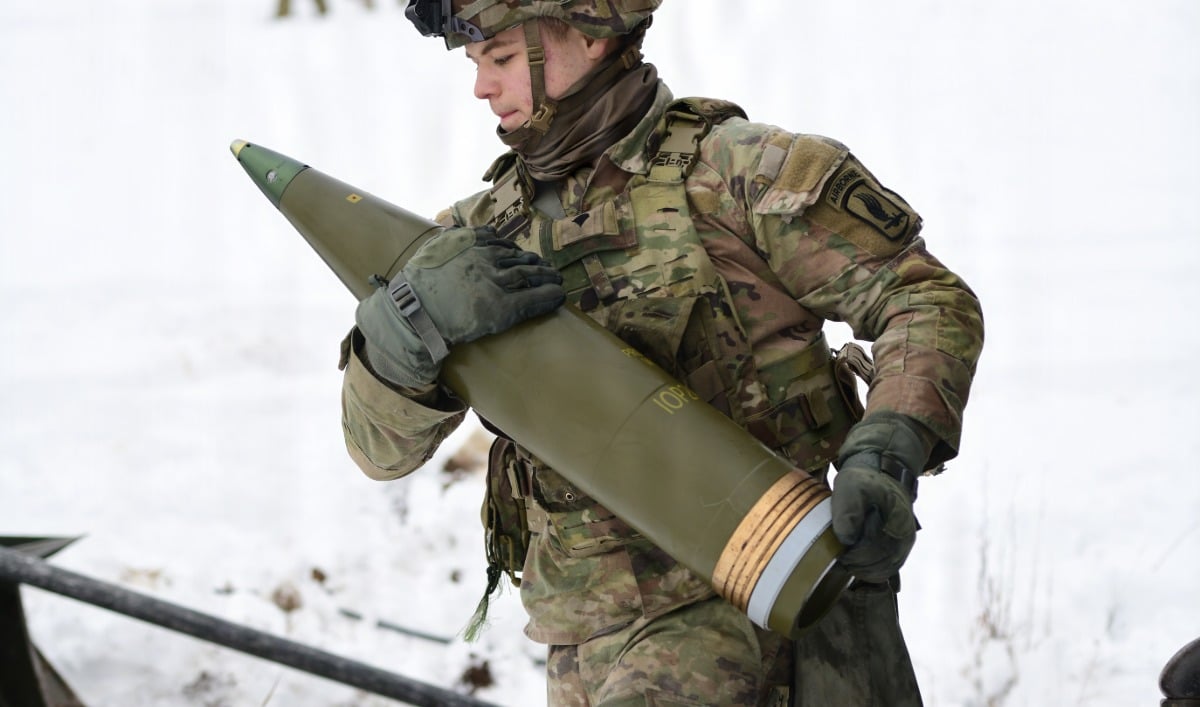
A quiet syndicate of European nations is circumventing domestic political gridlock to purchase hundreds of thousands of artillery shells for Ukraine from non-Western stockpiles. This clandestine procurement strategy bypasses traditional, sluggish defense channels to secure 155mm ammunition from global markets, utilizing third-party intermediaries to shield the identities of the supplying nations. While public rhetoric focuses on long-term production bottlenecks within the United States and continental Europe, this underground supply network serves as the actual lifeline preventing the immediate collapse of the Ukrainian frontline.
The math governing the war in Ukraine remains brutally simple. Steel and high explosives dictate geography. For months, the narrative surrounding Western aid focused on legislative delays in Washington and unfulfilled promises from Brussels regarding the delivery of one million shells. Yet, beneath the public hand-wringing, a parallel apparatus emerged.
The Architecture of the Shadow Procurement Network
To understand how hundreds of thousands of artillery rounds suddenly materialize on the battlefields of the Donbas, one must look away from the factories of Pennsylvania or the Rhine. Look instead to the global secondary arms market. Countries in the Global South, East Asia, and parts of Africa hold vast reserves of Soviet-caliber and NATO-standard ammunition. Many of these nations need hard currency but cannot risk the geopolitical blowback of openly arming Kyiv.
The solution is a sophisticated multi-tiered purchasing structure. A European capital, acting as the primary financier, quieted domestic opposition by routing funds through obscured budget lines. This money does not go directly to the manufacturer. It flows to international defense brokers who operate in a world of deniable logistics.
These brokers buy the ammunition under end-user certificates that list neutral destinations or non-combatant nations. Once the cargo clears port, the paperwork changes, or the shipments are offloaded at logistics hubs in Eastern Europe before being moved across the Ukrainian border by rail and truck.
Why Domestic Production Lines Failed the Frontline
The reliance on these gray-market purchases exposes a fundamental flaw in Western industrial defense planning. For three decades, North Atlantic treaty members prioritized precision-guided munitions and counter-insurgency warfare. They treated mass-produced artillery as a relic of the twentieth century.
When the war shifted into a high-intensity war of attrition, European defense contractors could not scale production. The barriers were not merely financial. They were structural.
- TNT and Nitrocellulose Shortages: The raw chemical components required to pack artillery shells are in critically short supply globally, with limited manufacturing facilities left in Europe.
- Machine Tool Bottlenecks: The specialized machinery needed to forge steel shells takes months, sometimes years, to manufacture and calibrate.
- Regulatory Inertia: Procurement laws designed for peacetime require lengthy bureaucratic approval processes that clash with wartime urgency.
Consider a hypothetical example. If a European defense firm wants to expand its shell-casing production line, it must first secure environmental permits, clear local zoning laws, and wait for a subsidized state loan to clear regulatory hurdles. By the time the first shell rolls off that line, a year has passed. The gray market solves this time deficit by trading money for existing, physical inventory.
The Strategic Compromise of Non-Standard Ammunition
This emergency procurement comes with severe operational liabilities. The shells arriving in Ukraine via these backchannel deals are far from uniform. They originate from disparate manufacturing lines across different continents, leading to significant quality control issues.
Ukrainian artillery crews face a logistical nightmare. A single battery might receive 155mm shells manufactured in three different countries over a span of thirty years. The propellant charges differ. The fuse assemblies require different handling tools.
More dangerously, variances in internal shell pressure can accelerate the wear and tear on artillery barrels. A barrel that should last for 2,000 rounds might degrade after 1,200 due to non-standard ammunition chemistry. This forces crews to choose between firing at a lower velocity—reducing accuracy and range—or risking catastrophic barrel failure.
The Political Masking of European Capital
The anonymity of these purchases is a deliberate feature, not a bug. It serves two distinct political purposes.
First, it protects the sellers. Many nations maintaining large ammunition stockpiles rely on diplomatic balancing acts. They cannot afford to alienate major geopolitical powers or face economic sanctions. By utilizing European intermediaries and complex shipping manifests, these countries maintain a facade of neutrality.
Second, it insulates European governments from internal political friction. In several continental capitals, public fatigue over direct financial aid to Ukraine is rising. Funding a vague "security assistance fund" that buys ammunition from an undisclosed third country draws far less domestic media scrutiny than announcing a multi-billion-dollar direct arms transfer from domestic military depots.
This is statecraft stripped of its ideological veneer. It is a transactional, capitalist solution to a crisis that Western state-controlled industrial bases failed to solve in time. The ongoing reliance on these covert networks proves that despite grand speeches about industrial mobilization, the defense of Ukraine still relies on the agility of private arms dealers and the willingness of anonymous bureaucrats to sign blank checks.
The true test of this strategy lies in its sustainability. Stockpiles are finite. Every shell bought from a neutral nation's reserve is a round that cannot be replaced easily on the global market. While this shadow network bought the Ukrainian military precious time, it did not solve the structural deficit. It merely kicked the ledger down the road, ensuring that the guns keep firing while the deeper crisis of Western industrial capacity remains unresolved.