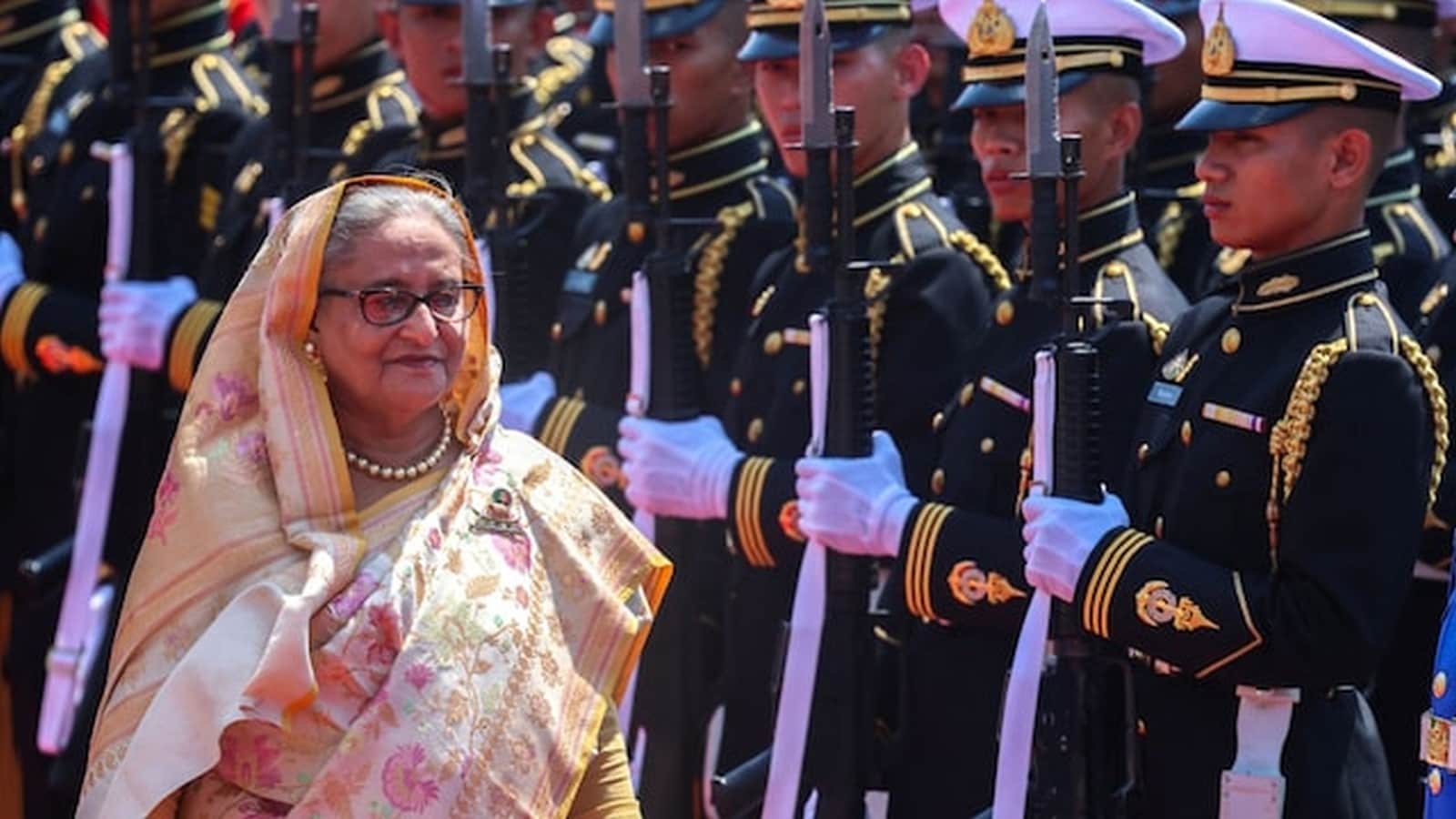
Political exiles rarely threaten governments by packing a suitcase, but Sheikh Hasina is not your average exiled leader. Her stated intent to return to Bangladesh has thrown Dhaka’s ruling establishment into a tailspin. For the Bangladesh Nationalist Party (BNP), led by Prime Minister Tarique Rahman, her homecoming is the ultimate stress test. It forces a simple, brutal choice on a party that claims to champion reform: do you allow a bitter rival back to face open courts, or do you lock the doors and prove you are just as authoritarian as the regime you replaced?
Most commentary treats her return as a routine legal drama or a desperate stunt. It is neither. It is a high-stakes political chess move designed to shatter the BNP’s fragile narrative of closure. Ever since the mass uprising ousted her in 2024 and the subsequent elections brought the BNP to power, the government has tried to treat the Awami League era as a closed chapter. Hasina's planned arrival with senior party colleagues ready for voluntary surrender wrecks that illusion entirely.
The Trap Facing the Ruling BNP
The administration in Dhaka is caught in a classic lose-lose scenario. If they let her walk back onto domestic soil without obstruction, they instantly energize a massive, loyal opposition base that has spent months nursing grievances over crackdowns and arrests. Millions of people still look to the Awami League, regardless of how the party’s final years in power alienated urban intellectuals and youth.
On the flip side, trying to block her return or weaponizing extradition treaties exposes the government's democratic credentials as a thin veneer. Western partners and international monitors are watching closely. If the judicial system functions as a blunt instrument of executive revenge rather than an impartial arbiter, the BNP loses its moral high ground before its legislative agenda can even take root.
Why the Grassroots Landscape Has Shifted
You have to look at what is happening on the ground outside the parliamentary halls in Dhaka. Economic strain, inflation, and soaring commodity prices are biting ordinary families hard. When people struggle to afford basics, the initial euphoria of a post-authoritarian dawn tends to fade fast. A growing sense of buyer's remorse has crept into the electorate.
The BNP assumed that sidelining the country's oldest political party via bans and hundreds of fabricated legal cases would permanently clear the board. Instead, it left a vacuum. That space hasn't automatically gone to moderate liberals; it has allowed factionalism and rising right-wing or Islamist elements to expand their influence. Hasina knows this dynamic better than anyone. By framing her return as an act of personal courage—pointing out her survival of the 1975 family assassination and the 2004 grenade attack—she taps directly into a narrative of resilience that resonates with her core followers.
The Reality of Judicial Theater
Can Bangladesh deliver a fair trial? That is the question keeping foreign embassies awake at night. If Hasina faces the courts, the proceedings will dictate the country's international standing for the next decade. A rushed, politically driven conviction behind closed doors or under heavy-handed security will signal to foreign investors and trade partners that the rule of law is optional.
Conversely, permitting a transparent legal process means the government has to prove its case on merit, risking a public platform for a seasoned politician who commands unmatched historical loyalty. The courts will become the primary battleground where the future of Bangladeshi democracy is decided.
The coming months will prove whether the BNP can govern with the confidence of a true democracy or whether it will resort to the same old tactics of exclusion and fear. The suitcase is packed, and Dhaka cannot hide from what comes next.