The dirt behind my fingernails never quite washed out that summer. You can scrub with pumice until the cuticles bleed, you can soak your hands in scalding water until the skin turns boiled-lobster pink, but some stains cling to the memory of the soil.
When you live close to the earth, you learn its moods. You learn the smell of wet clay after a sudden July downpour, the heavy musk of decaying leaf mold in the creek bed, the sharp tang of iron in red dust kicked up by a tractor tire. You trust the ground. It feeds you. It holds your weight. Until it turns.
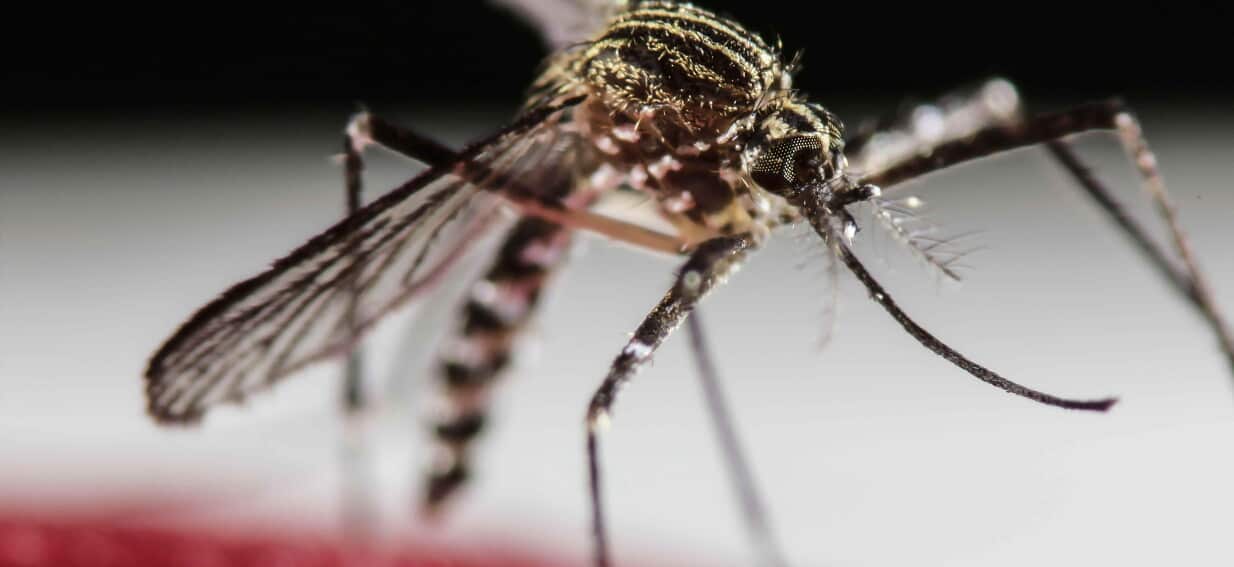
Let me tell you what it feels like to watch your own body begin to unravel from the inside out, starting with nothing more dramatic than a mosquito bite that refused to heal.
It starts small. A tiny, angry red knot on the shin or the forearm. You scratch it absentmindedly while watching the evening news or listening to the cicadas hum their electric static through the screen door. By morning, the knot has swelled into a hard, purple-bruised lump. It burns. Not the dull, aching throb of a standard muscle pull, but a searing, white-hot prickle, as if someone pressed the glowing tip of a cigarette directly against the nerve endings.
Within forty-eight hours, the skin over the center turns dark, almost black. The tissue beneath dies quietly, starved of blood as microscopic vessels clot off in self-defense against an invading army it cannot see.
This is the reality behind the dry medical journals and the clinical reports of necrotizing fasciitis, a phrase that sounds entirely too academic for something so violently archaic. Doctors call it a flesh-eating infection. I call it the day the ground caught up with me.
We imagine disease as an invader from the outside, something foreign and sleek, a virus dropping from the air or a bacterium slipping through a sterile hospital corridor. But this organism, most commonly Streptococcus pyogenes or Mycobacterium ulcerans depending on the geography and the specific flavor of the affliction, is often already living quietly on your skin or waiting dormant in the mud and stagnant water of tropical and subtropical riverbanks. It is an opportunist. It waits for a microscopic break in the armor, a scratch from a briar, a splinter from an old fence post, or a puncture wound from a rusty nail.
And then, it marches.
Consider what happens beneath the surface when the bacteria gain a foothold. They do not just consume tissue; they wage chemical warfare. They secrete destructive enzymes and toxins that dissolve the fascia—the tough, fibrous connective tissue sheath that wraps around your muscles, nerves, and fat like a protective casing. The skin remains intact just long enough to fool you into thinking it is a mere surface boil, a stubborn spider bite, a passing flu. Meanwhile, underneath, the highway is open. The infection travels along the fascial planes at an alarming, terrifying speed, sometimes inches an hour, liquefying everything in its path.
By the fourth day, my leg had doubled in size. The skin was stretched so tight it glistened under the harsh fluorescent lights of the local emergency room, pale yellow fluid pooling in heavy blisters across the shin.
I remember the exact moment the resident doctor touched the swollen area with the blunt end of a reflex hammer. I didn't feel the metal. That was the terrifying part. The nerves had already died, choked off by the swelling pressure of the destruction raging two centimeters below.
"We need to go in now," he said. His voice was entirely flat, stripped of bedside manner, the voice of a man who had seen this precise shade of purple too many times before. "If we wait until morning, we are talking about an amputation. If we wait until tomorrow night, we might not be having this conversation at all."
Surgery for necrotizing soft-tissue infections is not a delicate procedure. It is an excavation. The surgeon does not stitch you up; they carve you open. They wide-excise every square inch of dead, grey, sloughing tissue until they hit healthy, bleeding red muscle that still remembers how to live. They leave the wound gaping open, packed with sterile gauze, resembling a crater carved into a lunar landscape.
Why does this happen with increasing frequency in certain regions? Why are doctors seeing these cases climb in both rural river valleys and coastal estuaries?
The answer lies in the slow, creeping shift of our environment. As riverbanks erode, as wetlands warm, and as heavy agricultural runoff alters the chemistry of local watersheds, opportunistic pathogens find new niches to thrive. They multiply in warmer, slower-moving waters. They hitch rides on the legs of aquatic insects or linger in the damp soils of deforested river margins. When humans venture into these altered landscapes—whether planting rice, fishing in murky backwaters, or simply clearing brush after a seasonal flood—we step directly into their crosshairs.
There is a profound loneliness in recovering from an infection that nearly erased you.
For months afterward, every phantom itch on my leg sent a jolt of pure adrenaline straight to my throat. I looked at my garden shovel with active suspicion. I wore long rubber boots even in the stifling heat of August, terrified of a stray blackberry thorn, terrified of the very earth that had sustained my family for generations.
The scar is a jagged, sunken canyon now, pink and puckered where the skin grafts were stitched across the void. It pulls tight whenever the weather turns damp before a thunderstorm. It is a daily, tactile reminder of a simple, humbling truth. We are porous creatures. We walk through a world teeming with ancient, invisible forces that care nothing for our plans, our ambitions, or our fragile symmetry.
The ground does not hate us. It simply continues its ancient work, indifferent to whether we are watching from above or dissolving silently from within. Respect the mud. Honor the break in the skin. Because in the quiet spaces beneath our daily lives, the shadow is always waiting for the door to open.