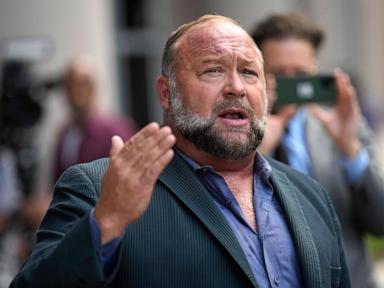
The gavel struck the wood. A sharp, clear sound that sliced through the stale, air-conditioned chill of the Texas courtroom. Outside, the world kept turning. Inside, an empire of paranoia was being taken apart, piece by digital piece. The courtroom was packed with lawyers, journalists, and the silent, heavy ghosts of a tragedy that should never have happened.
Consider what happened on that crisp November morning. The auction block did not hold paintings or real estate. It held a megaphone. A loud, relentless, and deeply troubling megaphone known as Infowars. For decades, this platform had broadcasted a steady stream of conspiracy theories, profiting from the darkest corners of human anxiety. Then, the judgment arrived. A staggering defamation verdict from the parents of Sandy Hook elementary school shooting victims. A debt that could never truly be repaid in dollars, only in accountability.
The debt was immense. The consequences were real.
But the story did not end with the gavel. It shifted to a different kind of theater.
The Kingdom Built on Noise
Let us look at the kingdom that Alex Jones built. It wasn't just a website or a radio show. It was a lifestyle. It was a community of people who felt ignored by the mainstream, discarded by the rapid changes of the modern era. Jones offered them a narrative. He told them that everything they feared was real, and that he was the only one brave enough to tell them the truth.
I remember tuning in out of sheer curiosity during the early 2010s. The static of the AM radio, the crackle of the broadcast, the sheer intensity of the delivery. The voice coming out of the speakers vibrated the dashboard of a dusty pickup truck. It was mesmerizing in its absolute certainty. There was no room for doubt in that world. Everything was a grand, sweeping plot. The water, the air, the government, the very fabric of society was supposedly rigged against the common man.
The business model was brilliant. And terrifying.
It didn't just sell advertising. It sold supplements, survival gear, and a sense of impending doom. The more scared the listener became, the more they bought. The more they bought, the more the empire grew. The revenue flowed like a river, sustaining an infrastructure of cameras, microphones, and legal defenses.
For years, it seemed untouchable. The legal system was too slow. The cultural conversation was too fractured. The algorithms of modern social networks fed the beast, amplifying the outrageous claims because outrage generated clicks, and clicks generated revenue.
Then came the unthinkable. The tragedy of Sandy Hook.
The details are too painful to recount in full, but the grief of the families remains etched into the public consciousness. They didn't just lose their children. They had to endure years of harassment from people who claimed the tragedy was a hoax, an elaborate act of state-sponsored deception orchestrated to take away their freedoms.
The families fought back. Not with conspiracy theories, but with the cold, hard, unyielding tools of the law. They took their case to the courts. They presented the evidence. They showed the human cost of the lies.
The result was a verdict that shook the media world. A defamation judgment totaling over a billion dollars. A sum so large it was designed to be an existential blow.
The Unlikely Buyer
Let us look at the buyer who stepped into the arena. The Onion.
The satirical newspaper, known for its dry, absurdist takes on a deeply absurd world, placed the winning bid. The prospect was delicious. The ultimate purveyor of fake news taking over the ultimate purveyor of weaponized falsehoods. It was a poetic, almost Shakespearean inversion of the media ecosystem.
The announcement sent shockwaves through the internet. People laughed. People cheered. Some were horrified. But beneath the dark humor lay a serious, profound intent. The satirical publication wasn't just buying a website. They were acquiring a megaphone to dismantle the very infrastructure of disinformation. They intended to turn the platform into a parody of itself, a living, breathing monument to the absurdity of the claims that had ruined so many lives.
The plan was bold. It was radical.
But the transaction was far from complete. The ink on the winning bid was barely dry when the legal machinery ground to a sudden, agonizing halt.
The Courtroom Quagmire
New court battles emerged. The sale went into limbo.
Consider what happened behind closed doors. The bankruptcy trustee, the person tasked with overseeing the orderly liquidation of the assets to pay the creditors, raised serious concerns about the auction process. There were allegations of a lack of transparency. There were whispers that the bidding was not as open as the court had demanded.
The legal documents piled up, thick with legalese, obscuring the human drama beneath the numbers. The auction, initially celebrated as a swift stroke of justice, became bogged down in procedural disputes.
Alex Jones and his legal team were quick to seize on the opening. They argued that the process was flawed, that the sale should be invalidated, and that the assets should be re-auctioned in a more equitable manner. They claimed the satirical publication's bid was not the highest and best use of the assets, and that the rights of other bidders were ignored.
The judge in the case, a steady, measured presence in the storm, was forced to put the sale on hold. The gavel struck again, not to finalize the sale, but to pause it. The suspense was palpable.
For the Sandy Hook families, the delay was another agonizing chapter in a long, drawn-out saga. They had watched the auction with a sense of hope, a belief that the megaphone of hate would finally be dismantled. Now, they were back in the waiting room of the legal system, watching the gears turn slowly.
The Invisible Stakes
Why does this matter? Why should we care about the fate of an obscure website and a bankrupt conspiracy theorist?
Consider what happens next. The question at the heart of this dispute is not about money. It is about the shape of the public square.
We live in a world where truth and fiction bleed into one another. The algorithms that govern our digital lives do not distinguish between a verified fact and a passionate lie. They only measure the intensity of our reaction. When the loudest, angriest voice in the room is allowed to dominate the conversation, the quieter voices of reason, empathy, and truth are drowned out.
The battle over Infowars is a test of our resilience. It is a test of whether a society built on the rule of law and the pursuit of truth can hold accountable those who weaponize falsehoods for profit.
If the sale to the satirical publication goes through, it will send a message. It will show that the architecture of disinformation can be bought, dismantled, and turned into a mirror that reflects the absurdity of its own claims. It will be a victory for irony and justice.
If the sale falls apart, and the megaphone is returned to its previous owners or sold to another entity that values the attention economy, the cycle will continue. The noise will return. The anger will be monetized once more. The families will be left watching the same cycle of harassment and deception play out on a different frequency.
The limbo of the sale is not just a legal technicality. It is the pause between the strike of the gavel and the final verdict of history.
The Living Cost
Let us step back from the courtroom for a moment. Think about what it means to be a listener in that world.
Imagine the trucker driving down the highway at midnight. The radio is his only companion. He listens to the voice of doom. He believes the world is against him. He is scared. He is angry. He buys the supplements. He stocks the food. He shares the links with his friends.
He is not a monster. He is just a human being caught in a web of anxiety and uncertainty.
The tragedy of our time is that this anxiety is profitable. It is manufactured, packaged, and sold to the highest bidder. The megaphone of Infowars was the engine of this manufacturing process.
When that engine stops, what happens to the people who relied on it? Do they find another frequency? Do they wake up from the trance?
These questions do not have easy answers. But they are the questions we must ask if we want to understand the true impact of the case. The legal battles are just the surface of a much deeper cultural and psychological wound.
The Edge of the Cliff
The auction remains frozen. The lawyers confer in hushed tones. The judge reviews the filings. The families wait.
We are standing on the edge of a cliff. Behind us lie the shadows of the past, where disinformation could spread unchecked and unpunished. Before us lies the possibility of a different kind of media environment, one where the truth has teeth and satire can be an instrument of justice.
The legal arguments will continue. The appeals will be filed. The briefs will be read.
But the heart of the matter remains the same. The megaphone is still there, resting on the digital floor, waiting for someone to pick it up. The sound of the gavel still echoes in the ears of those who fought for justice.
The limbo is not a place of rest. It is the tension of the drawn bowstring, the moment before the arrow is released.
We watch. We wait. We wonder which voice will fill the silence.
And in that silence, we hear the true cost of the lie.