Russia just proved that "ceasefire" is a word they only use when they're reloading.
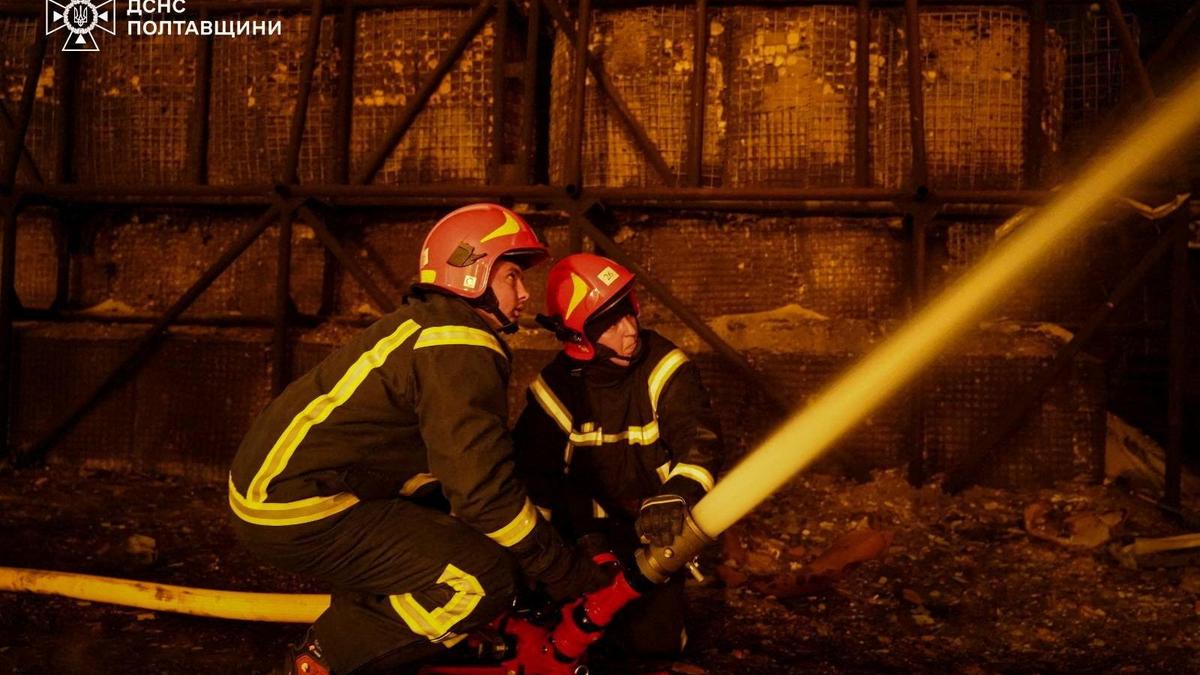
On the night of May 4-5, 2026, a massive wave of Russian drones and ballistic missiles slammed into gas production facilities in Ukraine’s Poltava and Kharkiv regions. It wasn't just another infrastructure hit; it was a targeted strike on the lifeblood of Ukraine’s energy independence. By the time the smoke cleared, five people were dead. Three were Naftogaz employees simply doing their jobs, and two were emergency responders who walked right into a "double-tap" trap.
The Brutal Reality of the Double Tap
If you think this was a random act of war, you're missing the grimmest part of the story. I've watched these patterns for years, and what happened in Poltava is a textbook example of a "double-tap" strike.
First, the missiles hit the gas facility. Naturally, the State Emergency Service (SES) rushes in to put out the fires and save whoever is trapped in the rubble. Then, while the rescuers are on the ground, a second strike hits the exact same spot. It's designed to kill the very people who save lives. Interior Minister Ihor Klymenko confirmed that’s exactly how those two rescuers died. Another 23 emergency workers were injured in that same incident.
It’s calculated. It’s cruel. And honestly, it’s a war crime that’s becoming a standard operating procedure for Moscow.
Why Naftogaz is the Top Target Right Now
You might wonder why Russia is obsessed with hitting gas wells instead of just power plants. Since the start of 2026, Naftogaz facilities have been hit nearly 100 times. That’s not an accident.
Ukraine has been pushing hard to become energy self-sufficient. They don't want to rely on imports, especially not from a neighbor trying to erase them from the map. By targeting production sites in Kharkiv and Poltava—the heart of Ukraine’s gas extraction—Russia is trying to force a domestic energy crisis.
Sergii Koretskyi, the CEO of Naftogaz, didn't sugarcoat it. He reported "significant damage and production losses." This isn't just about fixing a few pipes; it’s about the long-term ability of Ukraine to keep its people warm and its industry running without outside help.
The Numbers You Need to Know
- 11 ballistic missiles and 164 drones launched in a single overnight barrage.
- 5 confirmed dead: 3 gas workers, 2 rescuers.
- 37 people wounded across the production sites.
- 3,500 customers lost gas supply in the Poltava district alone within hours.
The Ceasefire Smoke Screen
The timing of this attack is what really gets me. Just 24 hours before these missiles launched, Vladimir Putin was floating the idea of a brief ceasefire for May 8-9 to celebrate the anniversary of the victory over Nazi Germany.
President Zelenskyy called it "utter cynicism," and he's right. You can't ask for a "pause" for propaganda celebrations while you're simultaneously launching over 150 drones at civilian workers. It’s a distraction tactic we’ve seen before. They offer a truce to look like the "reasonable" party to the international community, then use the lead-up to that truce to inflict maximum damage.
The Economic Impact is Real
Don't let the headlines about "infrastructure" fool you into thinking this is just a military problem. This is an economic strangulation.
When a gas production plant goes offline, it’s not like flipping a switch back on. You have to deal with high-pressure systems, potential leaks, and the fact that the specialized crews needed to fix these sites are now grieving their own dead. Naftogaz recently reported a six-fold drop in net profit for 2025. Strikes like the one this morning ensure that 2026 will be even harder.
If you’re following the energy markets, you know that Ukraine’s storage and production capabilities are vital for European energy stability too. While Ukraine has enough gas in storage to survive the immediate term, these constant "paper cuts" to their production capacity eventually lead to a hemorrhage.
What Happens Now?
The security situation is still too volatile for a full damage assessment. Koretskyi made it clear that specialists will only go in once the "double-tap" threat subsides.
If you want to understand where this is going, watch the air defense numbers. Ukraine’s air force managed to neutralize 149 of the 164 drones, but the ballistic missiles are a different story. They’re harder to hit, and they do way more damage. Until Ukraine gets more Patriot or SAMP/T systems specifically for these energy hubs, the "energy front" is going to keep seeing these tragedies.
Stop looking at this as a "clash." It’s an attempt to break a nation's spirit by making the basic act of heating a home a life-threatening risk. If you want to help, support organizations that provide specialized equipment to the Ukrainian State Emergency Service. They are the ones walking into the fire while the second missile is already in the air.