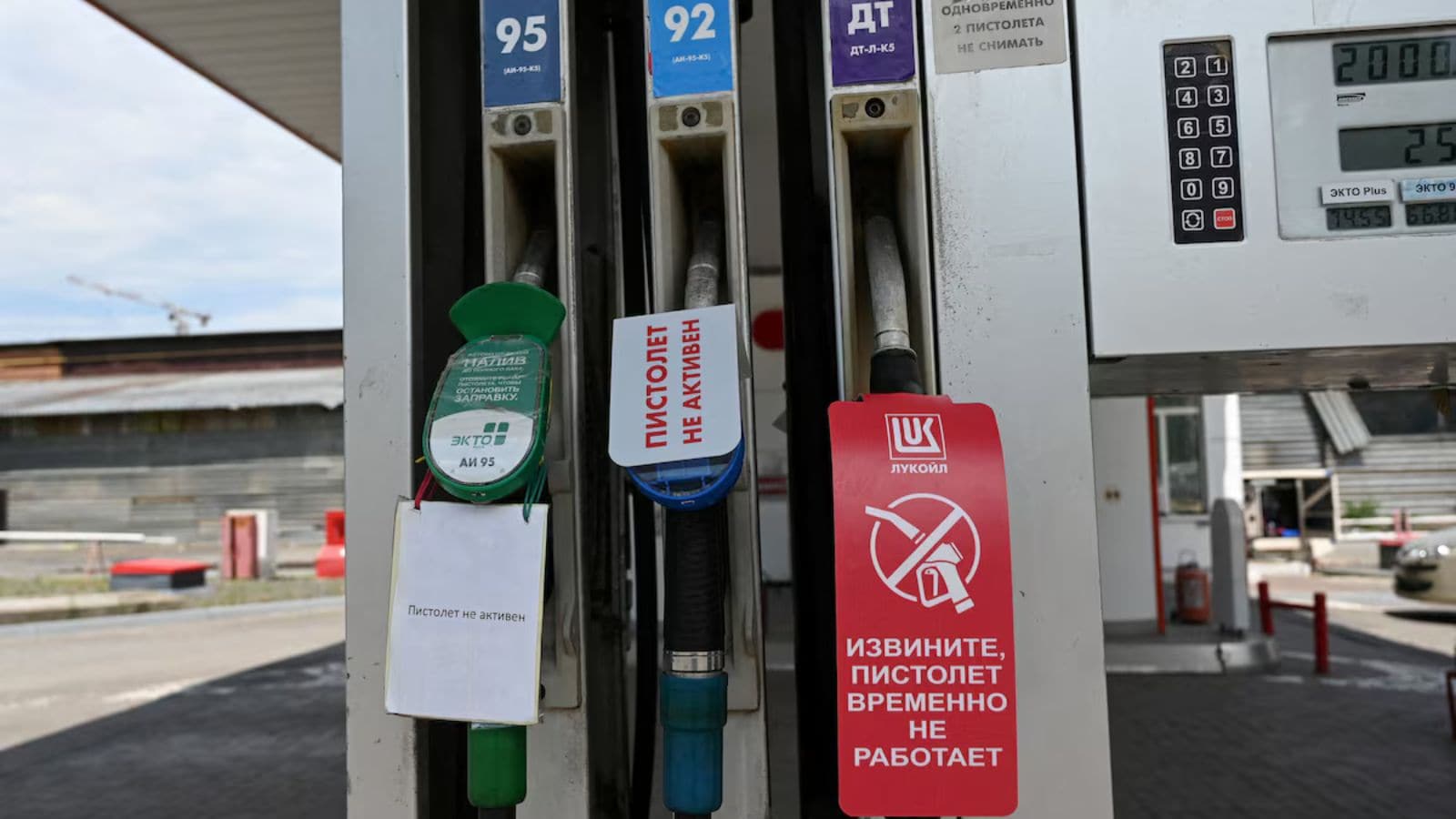
Russia just slammed the door shut on international fuel shipments. Gasoline and diesel export bans are locked in through January 31, 2027.
If you think this is just standard bureaucratic posturing, you're missing the bigger picture. Moscow isn't trying to play global games. They're panicking over local pumps running dry.
Let's look at what's actually happening behind the headlines.
The Reality Behind the Extended Fuel Bans
The government claims the decree protects domestic consumers. That is true, but it masks a deeper operational emergency. Strategic refining hubs have taken a severe beating over recent months.
Constant long-range drone strikes from Ukraine have shredded processing capacity across major Russian regions. When refineries catch fire, local fuel supplies evaporate. Queues at gas stations started stretching down highways earlier this year.
Moscow had to pick a side. Keep selling lucrative diesel abroad, or keep tractors and commuter cars moving at home. They chose local stability.
The timeline tells the real story. Deputy Prime Minister Alexander Novak originally hinted at restrictions lasting until late 2026. The official decree pushed that horizon straight through January 2027. That extra month signals deep anxiety about winter heating demands and persistent security threats to industrial infrastructure.
Who Wins and Who Loses Under the New Decree
Not all petroleum products face the exact same restrictions. The policy draws a sharp line between gasoline and diesel.
Gasoline exports stay completely frozen for everyone. Retailers, traders, and direct producers cannot ship a single drop out of the country until February 2027. Domestic gasoline prices have already climbed roughly 19% since the start of the year, pushing averages near 77.89 rubles per liter ($3.69 per gallon) by late July.
Diesel tells a slightly different story. The blanket ban on diesel, marine fuel, and gas oil expires much sooner on September 1, 2026. After that date, direct manufacturing producers regain the right to export diesel.
Why the split? Refineries need to offload excess diesel to stay profitable and maintain high operational output. If diesel stays bottled up forever, storage tanks overflow and plants throttle back production. Gasoline stays locked down tight because passenger cars and local transport consume it entirely within the domestic grid.
Exemptions also exist for humanitarian aid and formal intergovernmental agreements. Everything else faces strict border checks.
Keeping Farms and Public Services Alive
Domestic shortages create immediate political risks. Breadbasket regions rely heavily on diesel to fuel agricultural machinery during harvest seasons.
To prevent food production from collapsing, the Kremlin instituted emergency fixes alongside the export ban. Oil companies must now honor direct supply agreements with regional authorities to prioritize agricultural deliveries through November 1.
At the same time, public service providers received temporary relief from standard price caps on public fuel procurement contracts through the end of the year. Municipal buses and emergency vehicles can now secure fuel at market rates rather than getting squeezed by bureaucratic pricing limits.
These emergency measures highlight a fragile supply network. Local fuel quotas have popped up in multiple regions, restricting passenger cars to modest limits like 30 liters per fill-up at specific branded stations. When major energy firms have to ration fuel to everyday drivers inside a superpower nation, the vulnerability is obvious.
The extended ban keeps vital hydrocarbons inside the border. It stops international revenue streams to fix a bleeding domestic market. Expect global diesel and gasoline pricing benchmarks to feel the squeeze as Russian volume stays offline through the upcoming winter.