The water does not care about schedules. It does not pause for overloaded hulls, nor does it look twice at the improvised timber planks lashed together to carry people across the dark expanse of the Niger River. To the surface, it is merely a current moving toward the sea. To the families waiting on the muddy banks, it is a thief.
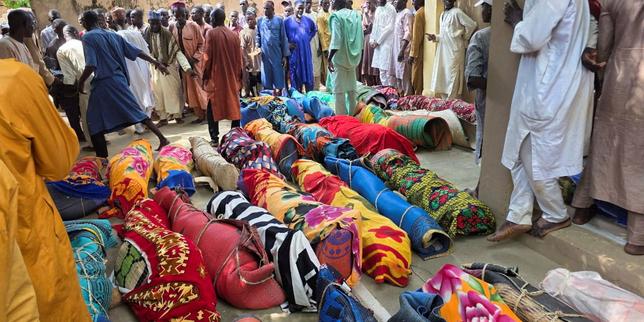
More than fifty lives vanished beneath that grey surface when a wooden vessel, heavy with cargo and swollen far beyond its legal capacity, simply broke apart and sank. Fifty souls. Not statistics pulled from a ledger, but mothers carrying market produce, children clutching worn schoolbooks, and fathers seeking a safer wage in the next district. They stepped onto a deck that groaned under the weight of human desperation, trusting a journey that millions take out of absolute necessity.
There are no ticket counters here. No safety briefings. No life jackets stacked neatly in overhead compartments.
Instead, there is the raw negotiation between poverty and distance. When roads turn to mud or vanish entirely beneath the creeping bite of seasonal floods, the river becomes the only artery left. Communities along these vast inland waterways rely on whatever floats. A wooden shell powered by a sputtering, smoke-choked engine becomes a lifeline. It also becomes a coffin.
Consider what happens next. The boat pulls away from the bank, sitting inches from the waterline. Every wave sloshing over the side is a warning. Yet nobody turns back. Turning back means losing the day's wages, missing the market window, or failing to pay for tomorrow's meal. The economics of survival leave no room for caution. When you have nothing, you gamble with everything.
We have seen this pattern repeat across West Africa with a haunting, tragic rhythm. The machinery of disaster is entirely predictable. It begins with infrastructure failure. Bridges that were promised years ago remain unbuilt skeletons of rusting steel. Roads decay into treacherous ruts. People are funneled toward the water because land transport has failed them.
Then comes the regulatory vacuum. Local boat operators face little oversight. They load sacks of grain, crates of goods, and human bodies until the gunwales barely clear the foam. No one counts heads. No one checks weather patterns. The pressure to maximize profit on a single trip outweighs any concern for human life.
When the inevitable happens, the response follows a familiar, agonizing script. Initial silence. Frantic searches by local fishermen using small wooden canoes. Desperate family members pacing the shore, staring into the mud. Prayers whispered into the wind. Then, the grim tally released by authorities days later, followed by official promises of stricter enforcement and condolences that sound hollow against the vastness of the loss.
Promises do not refloat sunken timber. Condolences do not dry a mother's tears.
The human element of these tragedies is often buried beneath discussions of capacity limits and maritime laws. But walk down to the riverbank on any given morning and you will feel the heavy anxiety in the air. You will see the way a young woman clutches her toddler as they step off the muddy bank onto a shifting, unstable deck. You will hear the cough of the diesel engine fighting against the tide.
Safety is a luxury. That is the hard truth we must face. As long as economic isolation forces remote communities to rely on unregulated, overcrowded water transport, the river will continue to collect its tax in blood.
Fixing this crisis requires more than mourning the dead. It demands a complete reimagining of rural mobility. It requires building the roads that should have been there decades ago. It requires subsidizing safer, larger ferries managed by public oversight rather than leaving transport in the hands of desperate operators cutting corners to survive.
Until then, the canoes will keep pushing off into the mist. The engines will roar. And the river will wait, patient and indifferent, for the next overloaded hull to test its depths.