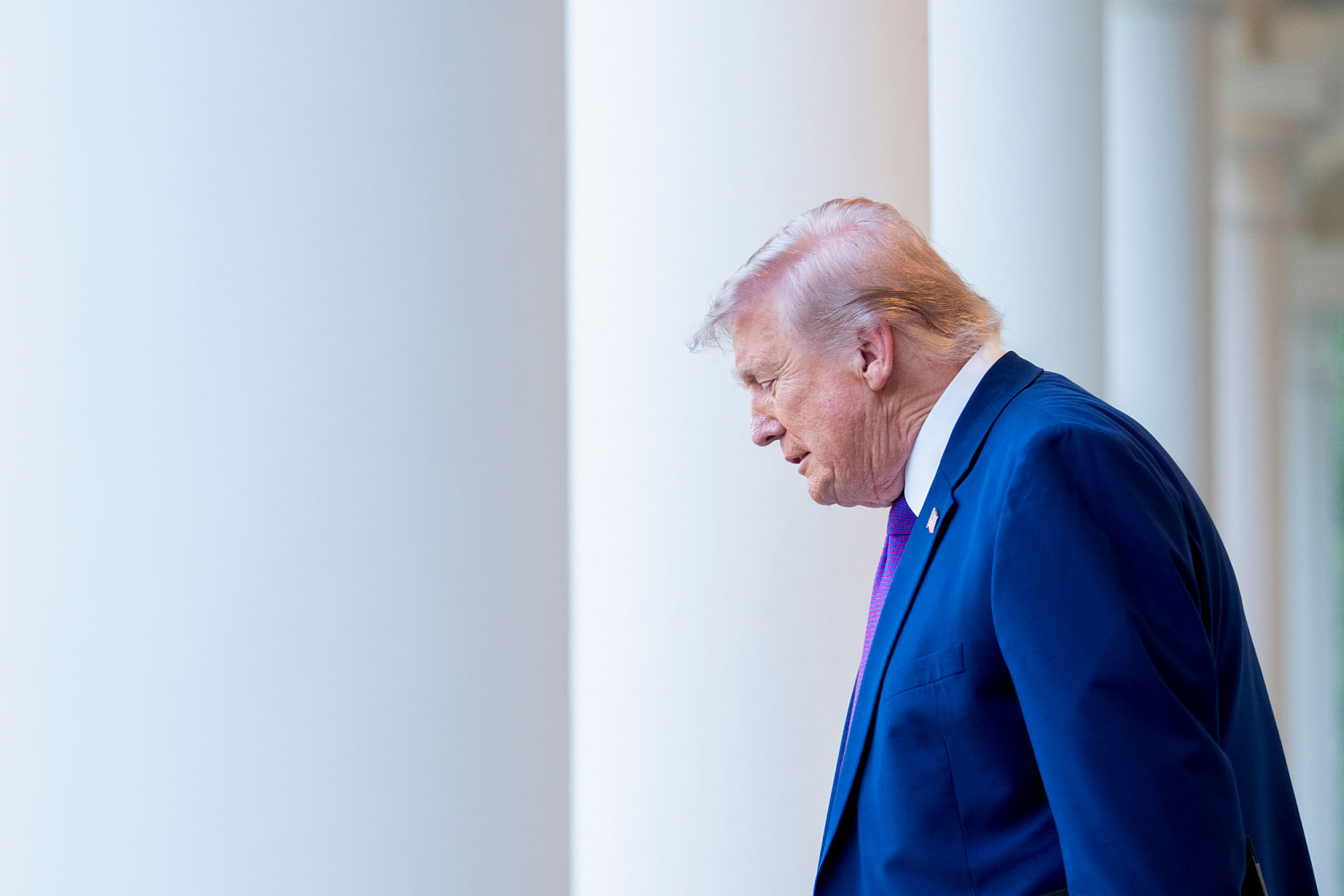
Donald Trump is a human lightning rod. For some Republican candidates, he’s the ultimate high-voltage battery. He brings the crowds, the cameras, and a level of grassroots energy that nobody else in the GOP can touch. But for others, he’s a live wire that threatens to burn down their chances with moderate suburbanites who just want politics to be boring again.
It’s the great midterm dilemma. Do you hug the former president close and bank on a massive turnout from the base? Or do you keep him at arm's length to avoid scaring off the swing voters who actually decide close races? There’s no easy answer, and the GOP is split right down the middle on how to play it.
The turnout machine vs the suburban ceiling
The math for Republicans usually looks like this: if their base shows up in force, they win. Trump is the only person who can reliably get people into a stadium on a Tuesday night. When he holds a rally, he doesn’t just help the person on stage; he localizes the national brand and reminds MAGA voters why they hate the current administration.
But there’s a catch. Every time Trump steps onto a stage, he makes the election about himself. Instead of talking about inflation or gas prices—the issues Republicans want to focus on—the headlines end up being about 2020 grievances or personal feuds. This is a nightmare for candidates in "purple" districts. In places like suburban Pennsylvania or Arizona, the mere mention of Trump can act as a "reverse turnout" tool, effectively doing the Democrats' canvassing for them.
When a rally is a risk
Think about a candidate in a competitive House seat. They’ve spent months carefully crafting a message about local issues. Then, Trump rolls into town. He spends 90 minutes talking about "rigged" elections and settling old scores. Suddenly, that candidate is forced to spend the next week answering questions about Trump's latest comment instead of talking about their own platform.
It’s a massive distraction. Honestly, some strategists quietly admit they’d prefer Trump to just cut a check or record a robocall rather than showing up in person. Physical presence is heavy. It's impossible to ignore.
Endorsements are a double edged sword
Trump’s track record with endorsements is legendary, but it’s also complicated. In a primary, his word is gold. He can take a complete unknown and turn them into a frontrunner overnight. We saw this throughout the primary season where "Trump-aligned" candidates swept aside traditional establishment figures.
However, the general election is a different beast entirely. Many of the candidates Trump handpicked are now struggling because they're viewed as too extreme for the general public. There's a growing fear within the party that they’ve traded "electable" candidates for "loyal" ones.
- The Primary Effect: High success rate, purifies the party base.
- The General Reality: Risk of "candidate quality" issues in swing states.
- The Funding Gap: Trump siphons off small-dollar donations that might otherwise go to state-level parties.
Finding the middle ground
So, what’s the strategy for a Republican who wants the Trump bump without the Trump baggage? Some are trying a "split the difference" approach. They’ll accept his endorsement and maybe even do a closed-door fundraiser with him, but they won't stand on a stage with him for a televised rally.
Others are leaning into the "surrogate" strategy. They’d rather have Ron DeSantis or Nikki Haley come to town. These figures provide the conservative "cred" without the same level of polarization. It’s a way to signal to the base that they’re on the team without giving the local news a 30-second clip of them laughing at a controversial Trump joke.
The reality is that you can't control the man. Trump goes where he wants, says what he wants, and makes the demands he wants. If he decides he wants to be in your district, you don't really have a "no" button that works.
Lessons from the ground
Looking at the internal polling, the GOP knows they’re in a tight spot. In deep red territory, the directive is simple: get Trump there as often as possible. Maximize the margin. Run up the score. But in the battlegrounds, it's a nervous dance.
The smart move for most candidates is to focus on the "pockets." They use Trump in specific geographic areas where his support is highest—rural counties and industrial towns—while keeping their TV ads focused on kitchen-table issues. It's a compartmentalized campaign.
The problem is that in 2026, nothing stays local. Every rally is live-streamed. Every comment goes viral. You can’t be "a little bit" associated with Trump. You’re either in or you’re out.
If you’re a Republican candidate right now, your best move is to keep your head down and stay on message. Use the energy from the top of the ticket where it helps, but don't let the national circus drown out the local concerns of your voters. If the election becomes a referendum on the former president rather than the current one, the GOP's "red wave" might look more like a ripple.