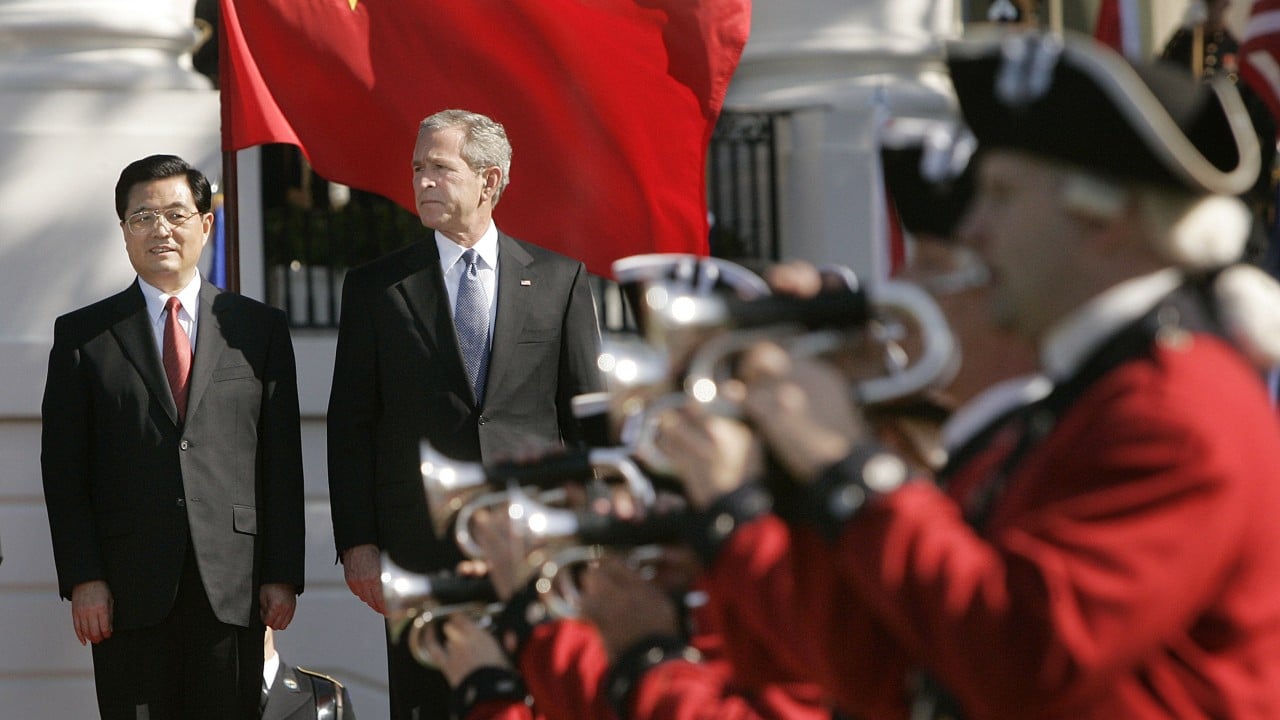
Another week brings another motorcade, another line of flags snapping in the wind, and another round of handshakes on polished marble floors. Seven national leaders gather for yet another regional summit, and the mainstream press dutifully transcribes the press releases as if actual history were being manufactured in real time. We are told that cooperation is deepening. We are told that strategic alignment is reaching unprecedented heights.
It is all theater.
Beneath the velvet-roped handshakes and the carefully stage-managed group photos lies a harsh reality: international summits rarely change strategic trajectories. They ratify decisions already made behind closed doors months prior, or worse, they mask inaction with rhetorical flourish. When leaders congregate to discuss regional security and economic integration while actual supply lines fray and battlefield realities shift by the hour, the summit ceases to be an instrument of governance. It becomes a distraction.
The Myth of the Communique
Watch any modern diplomatic gathering. The choreography is identical. Delegations arrive to cheering crowds or sullen security cordons. Bilateral meetings happen behind closed doors where the real friction occurs—or doesn't. Then comes the joint communique, a document scrubbed of any sharp edges until it reads like a corporate diversity statement.
Language gets watered down to secure consensus. Every signatory gets to claim victory at home while conceding nothing of substance abroad.
Consider what actually happens when seven nations try to coordinate policy on the fly. Bureaucratic friction multiplies exponentially. By the time a joint initiative clears legal hurdles in seven different capitals, the crisis that inspired it has mutated into something entirely different. Diplomacy operates on the timescale of geologic drift. Modern geopolitical competition operates at the speed of algorithmic trading and drone warfare.
Expecting a regional summit to produce agile, tactical alignment is like trying to steer a supertanker with a canoe paddle.
The Incentive Structure of State Visits
Why do leaders keep flying to these things if they are so structurally impotent? Because the domestic political incentive is irresistible.
Domestic audiences love theater. A photograph of a prime minister standing shoulder-to-shoulder with regional counterparts projects strength, statesmanship, and relevance. It provides the evening news cycle with reliable B-roll. It creates the impression of momentum even when domestic inflation is climbing and structural reforms are stalling.
The political cost of staying home is often higher than the cost of attending an unproductive meeting. If a leader skips a regional summit, opposition pundits accuse them of diplomatic isolation. If they attend and achieve nothing, the press corps dutifully reports on the "frank and constructive discussions." Heads I win, tails you lose.
This dynamic corrupts the quality of statecraft. When meetings are designed primarily for domestic optics, substance takes a back seat to symbolism. Hard truths are avoided because they disrupt the harmonious atmosphere required for the photo op.
What Real Alignment Looks Like
Real geopolitical coordination does not happen in a grand hall with simultaneous interpreters. It happens in procurement offices, central bank backchannels, joint intelligence cells, and quiet bilateral adjustments that never make the front page.
When nations genuinely align their interests, they do not need a joint communique to announce it. You see it in standardized ammunition calibers, shared encrypted communication protocols, and integrated energy grids that function regardless of who is standing at a podium.
The focus on high-profile summits creates a dangerous cognitive bias among observers and markets alike. We mistake activity for progress. We look at the guest list and assume weightiness.
Stop reading the communiques. Look at the logistics. Look at where the money actually moves when the cameras are turned off. That is where the actual alignment lives. The rest is just expensive backdrop for the evening news.