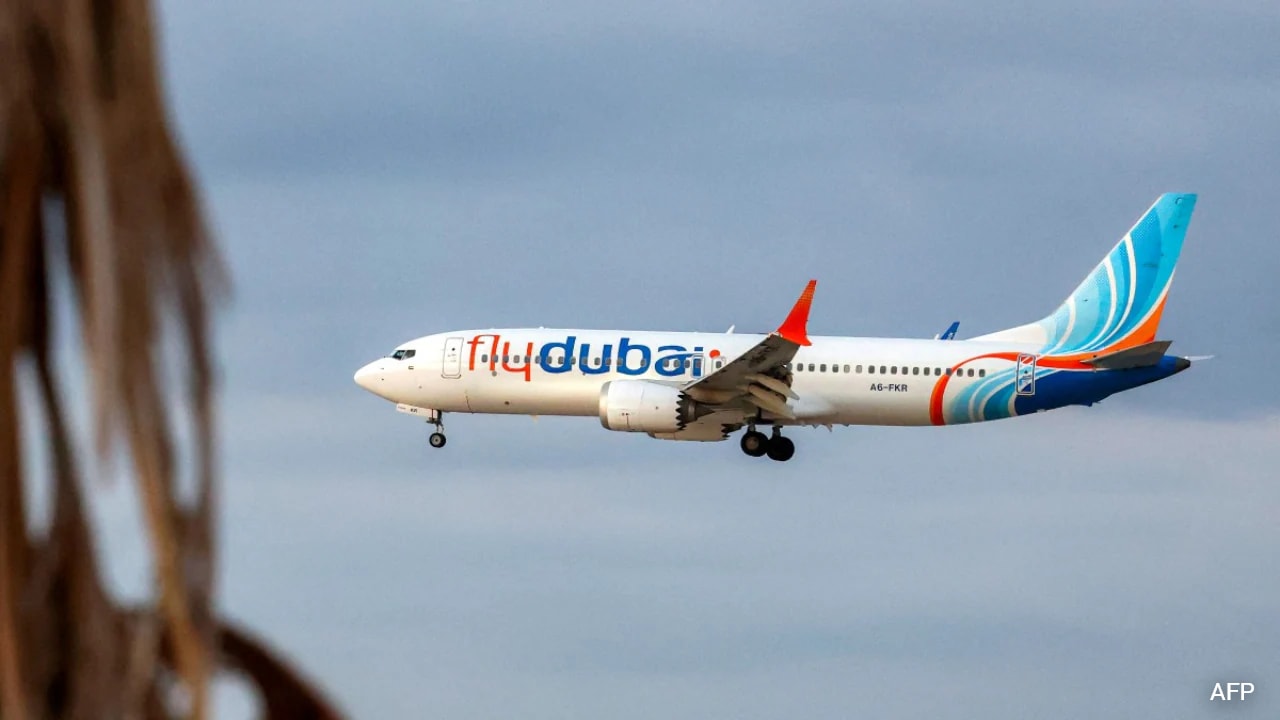
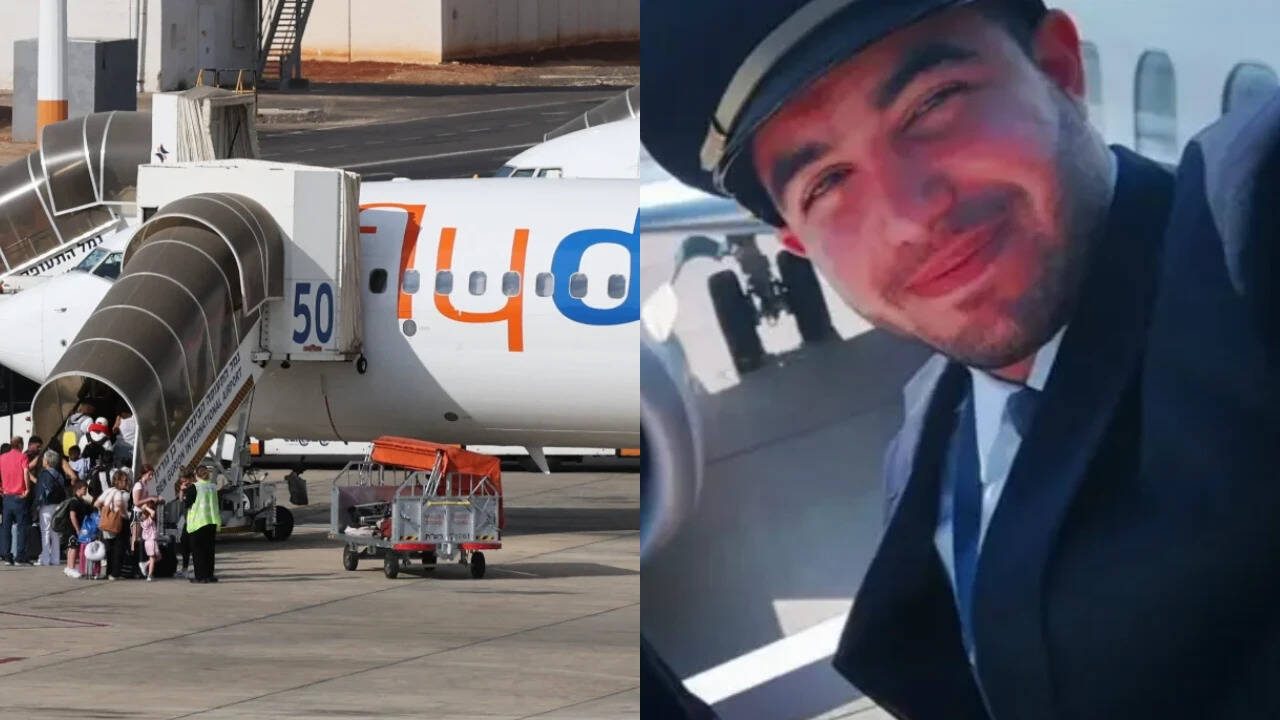
A commercial flight is supposed to be the most boring part of your trip. You sit back, scroll through offline movies, and wait for the wheels to touch down. But on September 30, 2026, FlyDubai Flight 1073 from Dubai to Tel Aviv shattered that illusion entirely.
An attempted hijacking and cockpit attack inside a Boeing 737 MAX 8 didn't just endanger 180 people on board. It triggered an immediate suspension of direct flights, left travelers stranded, and forced a complete rethink of aviation security across the Middle East. If you've been trying to track how regional carriers are handling the fallout, the reality on the ground is much messier than quick news snippets suggest.
Inside the Cockpit Crisis That Stunned Aviation
The incident aboard Flight 1073 remains one of the most terrifying events in recent civil aviation history. Investigators and officials from both the United Arab Emirates and Israel quickly categorized the event as a deliberate terrorist and suicide attempt.
The first officer, Hamam al-Hammami, attacked the flight captain, Smit Machchhar, with a cockpit crash axe. The aircraft plunged from cruising altitude, dropping from roughly 34,000 feet down to 17,000 feet in less than sixty minutes as the struggle unfolded.
What saved the plane wasn't standard automated protocol. It was raw human intervention. Captain Machchhar managed to open the cockpit door despite severe injuries, allowing passengers and off-duty pilots deadheading on the flight to rush in, subdue the attacker, and safely divert the aircraft to Tabuk, Saudi Arabia.
That sudden diversion left hundreds of Israeli citizens stranded in the UAE and severed one of the busiest commercial corridors established following the Abraham Accords.
Getting Israelis Home and the Long-Term Grounding
When routes shut down overnight, the immediate priority became extraction. Airlines and governments scrambled to bring stranded passengers back home through alternative routes and special arrangements. But getting people back was only the first hurdle. The bigger headache has been dealing with the aftermath.
FlyDubai extended the suspension of its direct route between Dubai and Ben Gurion Airport, keeping the connection dark for months. While Etihad Airways continued regular flights out of Abu Dhabi, the sudden absence of Dubai flights gutted a massive travel artery. Israelis didn't just use Dubai as a destination; it served as a primary hub for connecting flights heading onward to Asia, particularly popular spots like Thailand.
Airlines don't cancel lucrative routes lightly. The prolonged freeze isn't just about the physical damage to the aircraft—which lost most of its rudder during that violent overspeed descent. It highlights a deep-seated security dispute between nations.
The Security Impasse Holding Up the Route
If you're wondering why flights haven't simply resumed, look at the negotiations happening behind closed doors. Transportation Ministry delegations from Israel flew to Dubai to review the official investigation and hammer out new security protocols.
The core friction point comes down to operational oversight. Israeli officials want tighter, direct security measures, which historically involve stationing their own security personnel at departure airports abroad—a protocol already accepted in places like Abu Dhabi. Dubai authorities have historically resisted these types of heavy-handed foreign security footprints.
Without a compromise, major carriers keep pushing back their restart dates. El Al and other regional operators have repeatedly delayed their return to the Dubai corridor while lawyers and security chiefs try to bridge an impossible gap.
What Travelers Need to Know Right Now
If you're planning a trip that involves transiting through the Gulf, you have to stay nimble. Relying on a single direct carrier between Tel Aviv and Dubai is a gamble while security audits are ongoing.
- Check alternative hubs: If you need to fly east, look at carriers operating out of Abu Dhabi or alternative regional connectors that haven't faced the same route suspensions.
- Expect shifting schedules: Airlines are updating their flight inventories week by week as diplomatic talks progress. Do not assume a ticket booked for next month is guaranteed to fly direct.
- Keep travel insurance updated: Many standard policies handle supplier failure or route cancellations differently depending on whether an event is classified as an act of war, civil unrest, or criminal intervention.
The cockpit attack on Flight 1073 changed how security teams view insider threats on commercial flight decks. Until airlines and security agencies agree on how to screen and protect flight crews moving forward, the skies between the UAE and Israel will remain complicated.