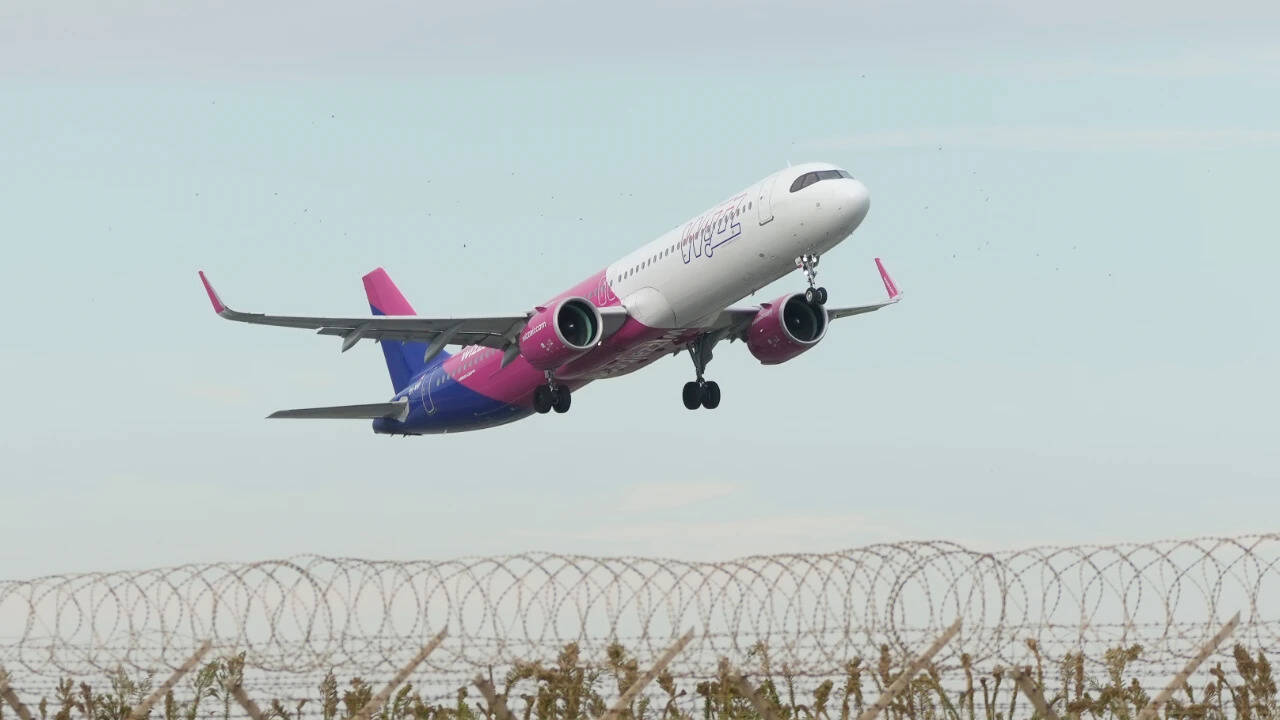
Three minutes. That's all it takes for a routine morning flight from Dublin to Rome to turn into a high-stakes aviation emergency.
When an anonymous bomb threat targets a commercial airliner mid-journey, the pilots don't pause to debate whether it's a hoax. They act immediately. In the case of the Dublin to Rome Aer Lingus flight that received a sudden warning, standard aviation security protocols kicked in within seconds, forcing the crew to abandon their planned route over continental Europe and divert to the nearest suitable airport.
You might think a bomb scare on a plane looks like a Hollywood thriller, complete with screaming passengers and panicked flight attendants sprinting down the aisle. The reality inside the cockpit and cabin is wildly different—and honestly, far more calculated.
Why Pilots Never Gamble on a Three Minute Warning
Aviation safety runs on a simple, uncompromising rule. Every threat is real until proven otherwise.
When air traffic control or an airline operations center receives a credible or specific bomb warning—especially one carrying a tight countdown or immediate urgency—the flight crew receives a priority message. They don't wait for ground intelligence to verify the caller's identity or trace a burner phone. By the time investigators figure out who made the call, a real device could already detonate.
For a flight cruising between Ireland and Italy, the aircraft crosses some of the busiest airspace in the world, passing over the United Kingdom, France, and Switzerland or northern Italy. Leaving a potentially compromised aircraft over densely populated cities isn't an option. The captain's immediate job is to get the plane on the ground at an airport equipped to handle a security emergency, away from main terminal buildings and civilian crowds.
Here is what happens in those first 180 seconds on the flight deck:
- Immediate squawk code change. Pilots dial 7700 into the transponder, alerting every radar station in the region that the aircraft has a general emergency and requires absolute priority clearance.
- Rapid descent planning. Unlike a cabin depressurization where pilots dive steeply to 10,000 feet, a security diversion requires a controlled, high-speed descent to the nearest runway long enough to handle the aircraft's current landing weight.
- Fuel and weight calculations. Planes taking off from Dublin bound for Rome carry enough fuel for roughly three hours of flight plus reserves. Landing early means touching down heavy, requiring longer braking distances and immediate brake-temperature checks by airport fire crews.
- Cabin crew coordination. The captain calls the senior cabin crew member to the flight deck—or uses a secure interphone code—to share just enough information to prepare the cabin without sparking a stampede.
Inside the Cabin During an Unscheduled Diversion
If you've ever sat in row 22 during a sudden route change, you know the first clue isn't an announcement. It's the subtle shift in engine pitch and the feeling of the aircraft banking sharply off its southerly track.
Flight attendants are trained specifically to manage human psychology during security threats. Telling 180 passengers that someone called in a bomb threat is the fastest way to cause injuries before the wheels even touch the tarmac. People unbuckle their seatbelts. They reach for overhead bins. They panic.
Instead, crews use calm, procedural language. You'll hear that the flight is diverting due to an operational requirement or a security precaution. It sounds vague on purpose. Keeping passengers seated with seatbelts fastened ensures that if the pilots have to execute a firm, maximum-braking landing, nobody gets thrown into the bulkhead.
Once the aircraft touches down, it doesn't taxi to a normal gate. Air traffic controllers direct the plane to a remote isolation stand—often at the far edge of the airfield—where armed police, bomb disposal units, and airport fire services are already waiting with engines running.
How Ground Security Clears a Diverted Aircraft
Landing is only the halfway point. The hours after an emergency touchdown are grueling for everyone on board, and there's zero room for shortcuts.
Passengers are typically disembarked rapidly via airstairs rather than jet bridges, leaving every single carry-on bag behind in the cabin. You walk off with nothing but the clothes on your back and whatever is in your pockets. Security teams then funnel everyone onto buses bound for a secure holding area inside the terminal, where each person undergoes secondary screening and passport checks.
Meanwhile, specialist explosive ordnance disposal teams board the empty jet.
- Cabin sweep. Officers inspect every overhead locker, seat pocket, lavatory, and galley compartment by hand, using sniffer dogs and detection swabs.
- Cargo hold unloading. Ground handlers pull every piece of checked luggage onto the tarmac, lining the bags up in rows so dogs and portable X-ray scanners can check them individually.
- Passenger reconciliation. Every suitcase must be physically matched to a passenger who actually boarded the flight in Dublin. Under international aviation law, a bag cannot fly without its owner—a rule put in place after the 1988 Lockerbie bombing.
This entire sweep easily takes three to five hours. Even when the threat turns out to be a malicious hoax, the aircraft cannot legally return to service until authorities sign off on a complete security clearance certificate.
The Legal Reality Behind Aviation Bomb Hoaxes
People who call in fake threats often assume they'll get away with a slap on the wrist if they're caught. They're completely wrong.
Under both Irish and European Union aviation security laws, communicating false information that endangers—or could endanger—the safety of an aircraft in flight is a severe indictable offense. Authorities treat a hoax with the exact same legal weight as an attempted hijacking or sabotage plot.
Let's look at the real consequences a perpetrator faces:
- Lengthy prison sentences. Convictions for endangering aircraft safety carry multi-year custodial sentences across European jurisdictions, with zero tolerance for "it was just a prank" defenses.
- Massive financial restitution. Airlines routinely pursue civil damages against convicted hoaxers to recover the cost of burned fuel, emergency landing fees, crew overtime, hotel accommodations for stranded passengers, and knock-on schedule delays. A single widebody or narrowbody diversion easily costs an airline tens of thousands of euros.
- Lifetime travel bans. Carriers place offenders on permanent no-fly lists, and intelligence sharing means border agencies flag those individuals globally.
Investigators have gotten remarkably good at tracing anonymous calls, emails, and social media messages. Even when callers use encrypted apps or spoofed numbers, cross-border police cooperation between Irish Gardaí, UK authorities, and European law enforcement agencies regularly tracks down the source.
What You Should Actually Do If Your Flight Diverts for Security
Most travelers spend hours worrying about turbulence, yet almost nobody thinks about what to do during a security diversion until they're sitting on a remote taxiway surrounded by flashing blue lights. A few simple habits make a chaotic situation way easier to handle.
Keep your passport, phone, wallet, and essential medication on your person—not in your backpack in the overhead bin. If security forces an immediate disembarkation and tells you to leave all bags on the plane, having your ID and phone in your pocket saves you hours of bureaucratic headaches inside a foreign terminal.
Put your shoes back on during takeoff and landing, and keep them nearby during cruise. Walking across an oil-stained tarmac or descending metal airstairs in socks is miserable.
Follow crew instructions immediately without stopping to film the emergency services out the window. Every second spent blocking the aisle to get a video for social media slows down the evacuation and pulls flight attendants away from critical safety checks. Keep your hands empty, move quickly to the exit, and wait until you're safely inside the terminal bus before contacting family or checking flight rebooking options with the airline.