The era of the reliable quarterly earnings report is dead. For decades, the ritual of "Big Tech" earnings season was the closest thing the market had to a physical exam for the global economy. You looked at the numbers, you checked the margins, and you knew exactly how healthy the patient was. Today, those same reports have transformed into elaborate exercises in narrative redirection. While the top-line revenue figures have never been larger, the actual utility of these disclosures for an intelligent investor has never been lower.
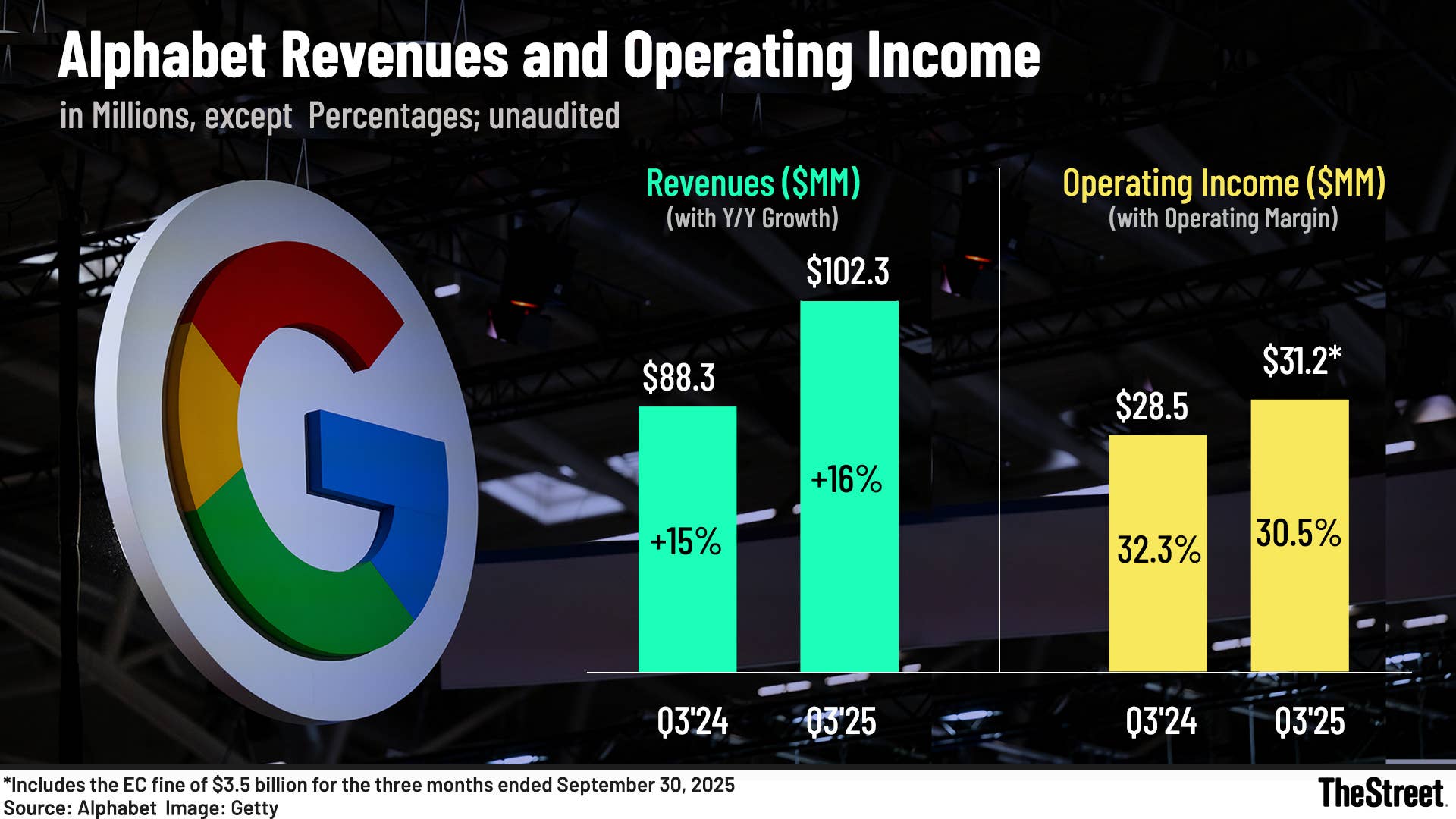
We are witnessing a systemic breakdown in financial transparency. As of April 2026, the disconnect between reported "adjusted" profits and the reality of capital destruction has reached a breaking point. Companies like Meta and Alphabet are reporting record-breaking revenue while simultaneously burying the true cost of their AI arms race in "Other Bets" or complex depreciation schedules that make a $100 billion server farm look like a rounding error. Discover more on a similar topic: this related article.
The Mirage of Non GAAP Prosperity
The most effective tool in the modern corporate arsenal is the Non-GAAP metric. Originally designed to help investors look past one-time, "noisy" expenses, it has become the primary way tech giants hide the structural costs of staying relevant. By stripping out stock-based compensation (SBC), restructuring fees, and specific R&D write-offs, companies present a version of reality that is strictly theoretical.
The numbers don't lie, but the way they are framed does. In many cases, the difference between GAAP (Generally Accepted Accounting Principles) and the "Adjusted" figures favored by analysts is now 20% or more. This isn't just accounting flair. It is a fundamental obfuscation of how much it actually costs to run a software business in 2026. More reporting by Forbes delves into related perspectives on the subject.
Stock-based compensation is a prime example of this sleight of hand. For years, tech firms treated SBC as a "non-cash" expense, implying it was essentially free. It wasn't. It was, and is, a massive transfer of value from existing shareholders to employees via dilution. When stock prices were soaring, everyone looked the other way. Now, with the market increasingly skeptical of long-term AI payoffs, that dilution is starting to bite. Investors are finally realizing that they have been funding employee payrolls at the expense of their own equity, while the "earnings" they cheered for were artificially inflated by ignoring those very costs.
The Black Box of AI Capital Expenditure
If you want to find the real bodies buried in a tech balance sheet, look at the Capital Expenditure (CapEx) lines. The current rush to build out "personal superintelligence" and massive data center footprints has created a spending vortex that traditional accounting is failing to track effectively.
Companies are currently projected to spend over $600 billion on AI infrastructure this year alone. However, the disclosures regarding the utility of this spend are virtually non-existent. We get told that "AI is integrated into everything," but we aren't told the unit economics of a single Gemini prompt or an Azure AI query.
The Depreciation Trap
There is a specific accounting trick currently keeping tech stocks afloat: the extension of server life cycles. By moving the expected life of a server from four years to six, a company can instantly "create" billions in paper profit by reducing annual depreciation expenses. It looks great on a quarterly slide deck. In reality, it means the company is running its most critical AI infrastructure on aging hardware that will likely be obsolete long before the accounting period ends. It is a temporary fix for a permanent cost problem.
The Transparency Index Collapse
Recent data from the Foundation Model Transparency Index suggests that corporate openness is at an all-time low. Companies that were once champions of "open" development, like Meta, have seen their transparency scores plummet as they realize that disclosing their true training costs and energy usage would spook the market. They are no longer selling products; they are selling a vision of future dominance that requires investors to ignore the current burn rate.
Why the Market is Losing its Mind
The divergence in stock performance after recent earnings calls reveals a market that is finally losing patience with the "trust us" narrative. Alphabet surged because it managed to show a direct link between AI spending and Google Cloud revenue. Meta, conversely, was punished despite beating revenue estimates because Mark Zuckerberg’s rhetoric shifted toward "long-term superintelligence" without a clear path to monetization.
The market is no longer satisfied with "bigger" numbers. It wants "useful" numbers.
When a company reports $50 billion in revenue but can’t explain the ROI on $140 billion in planned infrastructure spending, that isn't an earnings report. It’s a pitch deck for a Series B startup that just happens to have a trillion-dollar market cap. We are seeing a return to the "productivity paradox" of the 1990s, where massive investments in technology failed to show up in the actual economic data for a decade.
The Fix is Radical Transparency
If Big Tech wants to regain the trust of the market, the solution isn't more "adjusted" metrics. It is a return to granular, segment-level reporting that treats AI as a business unit rather than a magical dust sprinkled over existing operations.
- Mandatory Unit Economics: Disclose the marginal cost and marginal revenue of AI-driven services. If a Copilot subscription costs $30 but costs $40 in compute to provide, investors deserve to know.
- Standardized SBC Reporting: End the practice of treating stock compensation as a "non-core" expense. If you have to give away 3% of the company every year to keep your engineers from moving to OpenAI, that is a core operating cost.
- Real-Time CapEx Audits: Provide clear depreciation schedules for AI-specific hardware. Stop pretending a H100 GPU will have the same value in five years that it does today.
The current system of earnings reporting was built for a world of physical goods and predictable margins. It is wholly inadequate for a world of intangible assets and exponential infrastructure costs. Until the SEC or the market forces a change, "record earnings" will continue to be a metric of how well a company can hide its true costs rather than how much value it is actually creating.
Stop looking at the headline beat. Start looking at the cash flow statement. The truth is there, even if the CEO is doing everything in their power to make sure you don't find it.