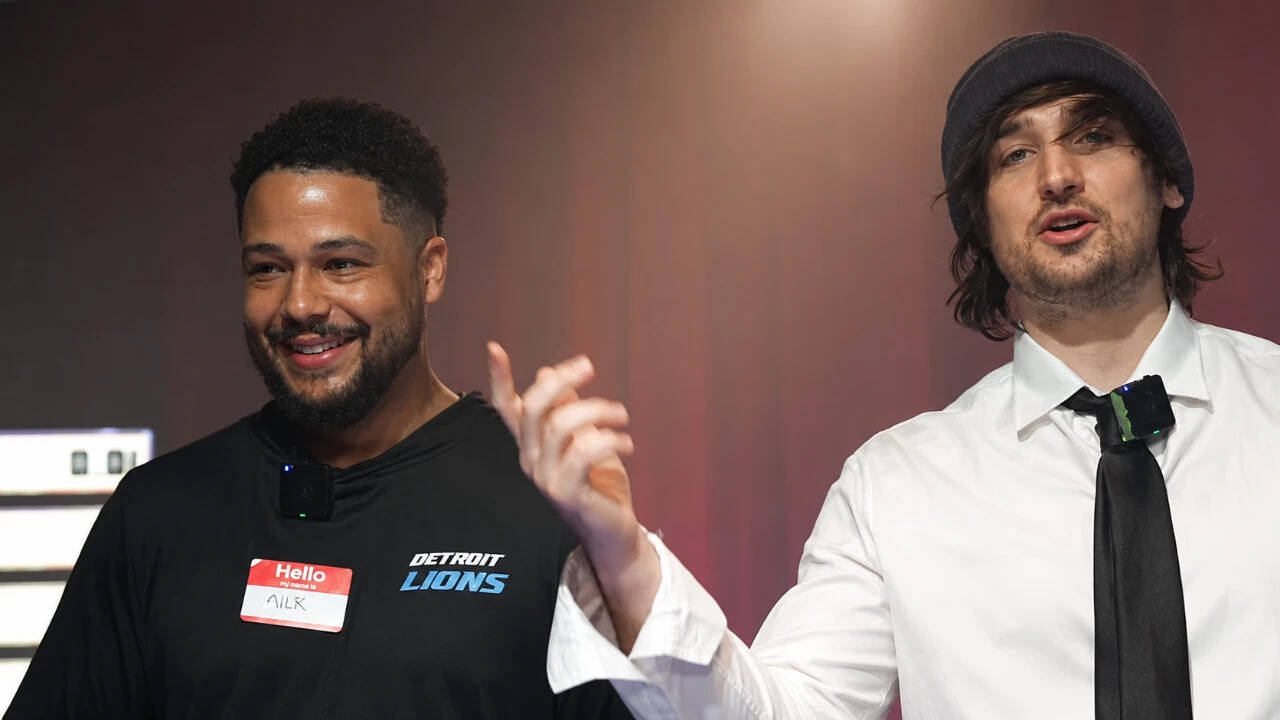
Dale Wilson, known to millions of internet onlookers as the toxic fighting game creator LowTierGod, recently walked out of a California family courtroom with a three-year restraining order. He did it without a lawyer. For a man whose entire career is built on scorched-earth internet vitriol, viral rage clips, and an antagonistic relationship with his own audience, the legal victory is a jarring plot twist. It forces a hard conversation about where internet theater ends and real-world vulnerability begins.
The court granted the protective order against the mother of his child after Wilson presented evidence of coordinated online harassment, doxxing, and physical tracking. The ruling establishes a critical precedent for the streaming industry. When an influencer builds a persona out of hostility, does the law still protect them when that hostility leaks into their real life?
The answer from the legal system is a resounding yes.
The Anatomy of an Internet Antagonist
To understand why this legal outcome surprised both fans and critics, you have to understand the specific ecosystem Dale Wilson inhabits. He is not a mainstream, polished influencer. For over a decade, Wilson has operated as one of the most polarizing figures in the fighting game community.
His brand relies on a high-fructose diet of confrontation. He berates opponents, bans viewers instantly for minor slights, and delivers infamous monologue rants that have become legendary internet memes. It is an act designed to provoke.
That provocation created a parasitic ecosystem. A dedicated subculture of detractors, trolls, and "anti-fans" formed around Wilson. Their entire hobby consists of clipping his losses, tracking his daily life, and baiting him into further outbursts.
This is the dark underbelly of modern content creation. When your business model is built on being the villain, your audience stops treating you like a human being. They treat you like a video game boss.
When the Screen Breaks
The core issue in the California courtroom was not standard internet trash-talk. It was the physical manifestation of digital malice.
Wilson argued during the proceedings that the harassment had breached the digital barrier. Detractors had successfully uncovered his residential address. Photos of his private property, home, and personal vehicles were circulated on social media platforms and forums dedicated to his downfall.
The defense attempted to leverage Wilson’s toxic internet history against him. In digital culture, there is an unwritten rule that if you act like a bully online, you deserve whatever blowback comes your way.
The legal system does not care about unwritten internet rules.
"The court looked past the internet theater to focus purely on the statutory definitions of harassment and stalking."
Even when the judge noted Wilson’s own questionable public statements regarding his family dynamics, the objective evidence of real-world tracking carried the day. The court recognized that a provocative online persona does not strip a citizen of their right to physical safety and privacy.
The Pro Se Power Move
Perhaps the most fascinating aspect of the case is that Wilson achieved this outcome via pro se representation—meaning he represented himself.
In high-stakes civil and family court matters, going without legal counsel is generally considered a fast track to disaster. Legal procedures are rigid. Evidence rules are dense.
Yet, Wilson successfully navigated the evidentiary requirements to secure a long-term, three-year order. This highlights a shift in how digital harassment cases are being tried. The people who experience these internet subcultures daily are often better equipped to explain the mechanics of doxxing, digital tracking, and algorithmic harassment to a traditional judge than an older attorney who barely understands Twitch.
Wilson didn't need a high-priced lawyer to translate the internet for the judge. He lived it. He showed the direct line between a forum post and a stranger taking photos outside his house.
The Broader Crisis for Content Creators
This case exposes a massive vulnerabilities framework for the entire streaming economy. Streamers are uniquely exposed business entities. They broadcast their faces, voices, and emotional reactions from inside their homes for hours every single day.
For years, platforms like Twitch and YouTube have treated creator safety as a secondary issue, offering basic moderation tools that do nothing to stop a determined stalker. When harassment escalates to doxxing, creators are usually left to fend for themselves.
The LowTierGod ruling provides a blueprint for how creators can fight back using the civil court system rather than relying on toothless platform bans. It separates the creator's content from their basic civil rights.
Consider the hypothetical example of a shock-jock radio host. If someone throws a brick through that host's window, the police do not refuse to investigate just because the host says offensive things on the air. The California court applied that exact same logic to the streaming space.
The Flawed Illusion of Accountability
Many critics of the ruling feel that Wilson escaped the consequences of his own behavior. They argue that he created the toxic environment that eventually hunted him down.
There is some truth to that perspective. Wilson’s rhetoric over the years has been genuinely harmful, frequently crossing lines of decency that would get a traditional entertainer blacklisted permanently.
But utilizing illegal means like stalking and doxxing to enforce "internet justice" is a broken philosophy. It turns critics into criminals. When the anti-fans began photographing Wilson’s physical property, they handed him the ultimate legal weapon. They transformed themselves from critics into a legitimate threat in the eyes of the law.
The three-year restraining order does not wipe away Wilson's controversial history. It does, however, draw a hard line in the sand for the communities that obsess over internet personalities.
The End of the Digital Wild West
This court victory signals that the era of consequence-free internet stalking is closing. For a long time, trolls operated under the assumption that the legal system was too slow, too old, and too confused by technology to intervene in online feuds.
That assumption is dead. Courts are rapidly catching up to the realities of digital life. They understand that a leaked address is a physical threat. They understand that a coordinated forum campaign can constitute stalking.
Creators who operate in the provocative, villainous space of the internet will undoubtedly continue to court controversy. It drives clicks. It drives revenue. But their detractors must now realize that the law protects the villain just as fiercely as it protects anyone else. The moment an internet feud crosses the threshold into the real world, the courts will step in, look directly at the data, and shut it down.