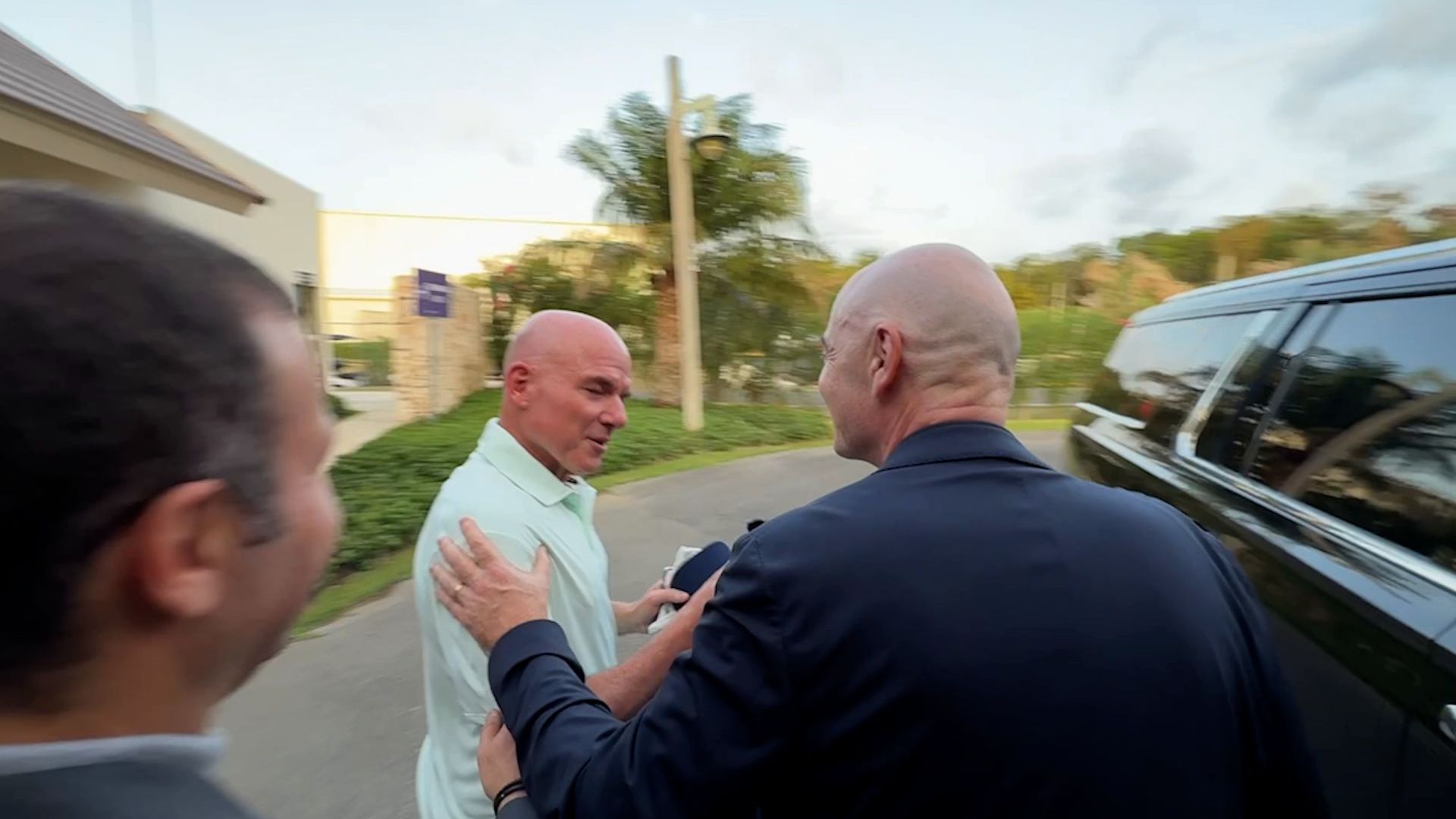
When Gianni Infantino deflected hard questions about institutional trust with a quip about a trip to the hairdressers, the room chuckled. It was a self-deprecating nod to his own polished pate, a transparent attempt to humanize the most insulated executive in global sport.
Fans watching from the outside, however, did not laugh. Meanwhile, you can read related developments here: Quantifying Fan Equity in Professional Golf: The Brooke Henderson Effect and Community Architecture.
Supporters groups across continents view this routine brand of self-deprecation not as charming humility, but as bare-faced cheek. When the steward of the world game treats systemic governance crises with lighthearted follicular humor, the disconnect between Zurich headquarters and the concrete terraces becomes a canyon. The issue is never the lack of hair on the FIFA president's head. The issue is the absolute lack of accountability coming from his office.
The Architecture of Impunity
Modern football governance operates on a curious axis of distraction. Whenever commercial pressures mount or transparency petitions land on plush executive desks, the response mechanism relies heavily on folksy charm offensive strategies. A joke about a barber lands well in Davos or closed-door corporate summits. On the ground, where ticket prices climb and historic club traditions get bartered to state-backed entities, those same jokes read like a punchline directed right at the paying public. To see the bigger picture, we recommend the excellent analysis by Sky Sports.
Consider how power has centralized under the current administration. Decisions affecting the global calendar, continental slots, and tournament formats arrive with minimal consultation from the athletes who run themselves into exhaustion or the supporters who mortgage their weekends to travel. When questioned about the erosion of sporting integrity, turning the dialogue toward personal physical traits serves a distinct operational purpose. It changes the subject.
Weaponizing Vulnerability
This is not the first time the FIFA leadership has leaned into personal background to deflect systemic critique. History shows a recurring pattern of invoking personal anecdotes of childhood bullying or outsider status whenever institutional ethics face scrutiny.
By framing institutional critique as personal hostility, executive leadership attempts a clever judo move. Questioning multi-billion-dollar commercial alignments or opaque voting processes gets subtly re-cast as picking on an individual. It is an effective shield, though an entirely dishonest one. Fans do not care about a president's hairline. They care about financial transparency, match scheduling safety, and whether the grassroots of the sport can survive the relentless commercial hyper-expansion.
The Widening Chasm
Beneath the polished surface of international federation galas, trust levels sit at historic lows. Petitions circulate demanding structural overhauls and genuine oversight. Yet, the response remains anchored in entertainment-industry PR tactics rather than administrative contrition.
When a leader jokes about going to the hairdressers while dodging inquiries regarding institutional trust, the subtext is loud. It tells the global football community that the governing body views opposition as a minor annoyance to be deflected with a smile rather than a legitimate stakeholder grievance to be addressed.
The laughter in the auditorium fades quickly. Out on the streets, the demand for structural reform grows louder, entirely unimpressed by the punchlines.
FIFA Chief Criticised For Cheap Joke While Speaking At WEF 2026
This video captures the exact moment and context of the leadership style and Davos address that sparked widespread condemnation from global observers.
http://googleusercontent.com/youtube_content/1