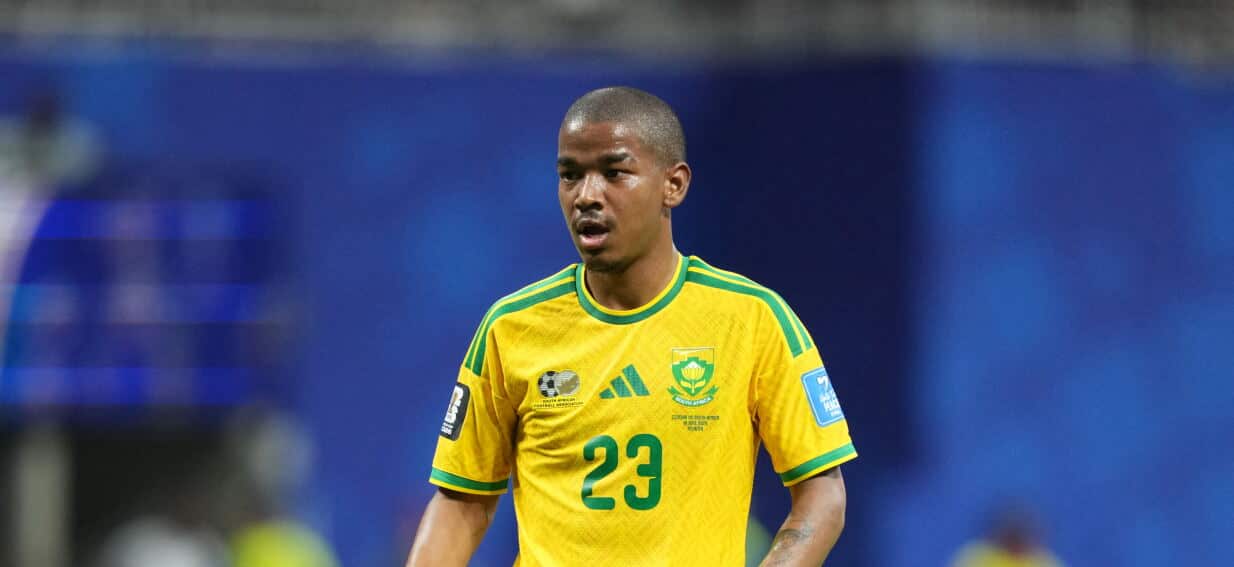
The British Broadcasting Corporation will broadcast England’s World Cup semi-final live from the United States if Thomas Tuchel’s squad defeats Norway, abandoning a widely criticized cost-cutting strategy that kept its production team marooned in Greater Manchester for the opening rounds of the tournament.
BBC executives have triggered an expensive contingency plan to fly key talent, including anchor Gabby Logan, across the Atlantic. The decision follows intense public mockery of the broadcaster’s decision to anchor its multi-million-pound coverage from a green-screen studio in Salford, while rival commercial broadcaster ITV invested heavily in a live luxury rooftop set overlooking the New York skyline in Brooklyn.
The Salford Green Screen Scandal
Major international tournaments usually demand a massive physical presence from state broadcasters. For the first three weeks of this tournament, however, BBC license-fee payers watched pundits like Wayne Rooney, Micah Richards, and Joe Hart dissect elite football matches against a digital simulation of North America.
The aesthetic deficit became glaringly obvious whenever viewers switched channels. ITV went for broke, building an open-air studio that gave its broadcast an authentic, high-prestige atmosphere. The contrast forced the BBC into an embarrassing defensive posture, especially when Gary Lineker made a surprise guest appearance directly on ITV's New York set, highlighting the physical absence of his primary employer.
Behind the scenes, the BBC's management defended the Salford arrangement as a necessary, budget-conscious exercise. Public broadcasters face severe financial scrutiny, and flying production crews, technicians, directors, and high-earning pundits across multiple time zones in the United States, Mexico, and Canada carries an enormous price tag.
The calculation backfired. Audiences noticed the lack of atmosphere immediately.
Data Overrides Austerity
What changed the corporate mindset was not just public embarrassment, but raw data.
England's dramatic 3–2 victory over Mexico in the round of 16 proved that public appetite for the national team overrides inconvenient time zones. Despite a delayed kick-off that pushed the match into a brutal 2:00 AM British Summer Time slot, a peak audience of 9.1 million viewers tuned into BBC One and BBC iPlayer. It was the largest television audience ever recorded in the United Kingdom for a live broadcast between the hours of 2:00 AM and 4:00 AM.
The single night generated over 11 million streaming requests on iPlayer, crushing previous tournament records.
Under the long-standing terrestrial sharing agreement between the two networks, the broadcasters take turns selecting matches. ITV holds the exclusive rights to tonight's quarter-final clash with Norway in Miami. However, the contract dictates that the BBC holds the coveted "first pick" for the upcoming semi-final round.
Should England advance to the semi-final in Atlanta, the BBC will broadcast the game. Faced with the prospect of hosting a historic national sporting moment from a rainy studio in Lancashire, director of sport Alex Kay-Jelski authorized the emergency travel budget.
The High Stakes of Protected Sports Rights
The corporate panic at Broadcasting House goes deeper than mere studio optics. Terrestrial television networks are fighting an increasingly desperate battle to retain control of major sporting events.
The World Cup is currently protected under the UK government's Category A sporting legislation. This legal framework ensures that "crown jewel" events must remain free-to-air for the general public, effectively preventing pay-TV operators from hiding the tournament behind subscription walls.
A significant loophole has emerged. The existing Broadcasting Act of 1996 was written when digital streaming platforms did not exist. The current wording protects traditional terrestrial television signals but fails to fully safeguard online streaming rights or internet highlights.
The Department for Culture, Media and Sport is moving to update this legislation to include digital platforms, aiming to stop global tech giants from bidding exclusively on internet rights. The BBC knows it must justify its special status. Showing a lack of ambition by anchoring the world’s biggest tournament from Salford risks damaging its political argument that the license fee provides unmatched national value.
If Norway defeats England tonight, the BBC's expensive American rescue mission evaporates, and the talent stays home. The network's entire tournament strategy now hinges on the tactical decisions of Thomas Tuchel on a pitch in Miami.