The overhead fluorescent light in a dental exam room possesses a unique, unforgiving cruelty. It illuminates everything. You sit back in the vinyl chair, a paper bib clipped around your neck, staring at a ceiling tile while a stranger uses a tiny metal hook to measure the slow, invisible retreat of your own body.
"Four," the hygienist says softly to the computer screen. "Four. Three. Five."
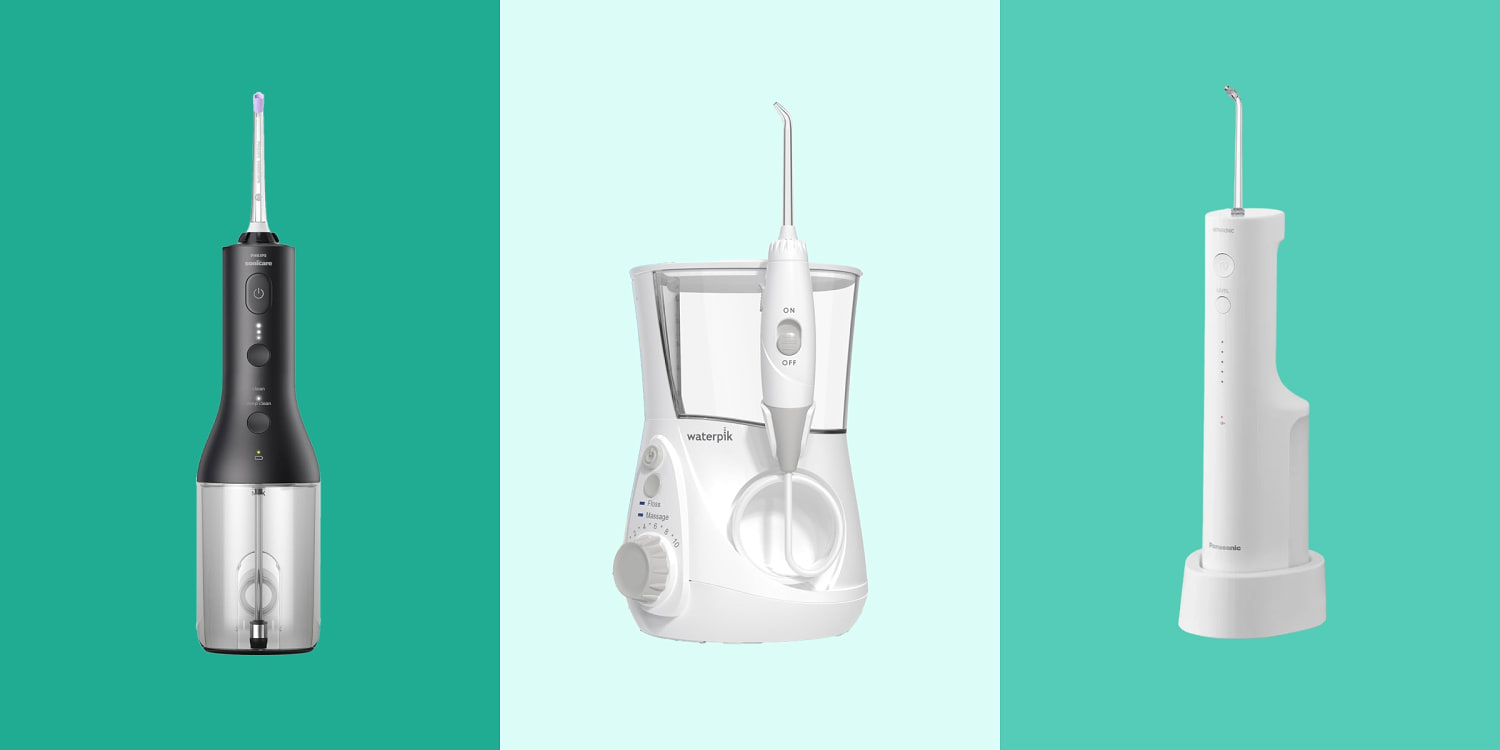
If you have never had your periodontal pockets measured, those numbers sound harmless. They are not. Healthy gums hug the tooth tightly, leaving a shallow moat of one to three millimeters. When those numbers climb to four or five, it means the foundation of your teeth is quietly eroding beneath the surface. Blood appears on the plastic tip. You feel a flash of defensive shame, the exact same heat in your cheeks you felt in third grade when you forgot your homework. You brush twice a day. You buy the whitening toothpaste. You even bought that sleek, matte-black countertop water flosser that promised to revolutionize your bathroom routine.
So why are your gums bleeding?
The answer lies in a fundamental misunderstanding of how our mouths actually work, a misunderstanding fueled by glossy commercials and our own desperate desire to never again wrap a thin, slippery piece of waxed nylon around our middle fingers until the circulation cuts off. We want a shortcut. We want technology to rescue us from a tedious, mildly uncomfortable Victorian-era habit.
Let us consider a hypothetical patient—we will call her Elena. Elena is thirty-four, works in marketing, drinks two iced coffees a day, and despises traditional string floss with a quiet, burning passion. Her back molars sit so tightly together that forcing string between them requires a level of brute strength that inevitably ends with the floss snapping violently into her gum tissue, leaving a sharp metallic taste in her mouth. Two years ago, Elena threw away her floss picks and bought a top-rated water flosser. Every night, she aimed the pulsating jet along her gumline, watched the water swirl down the drain, and went to bed feeling virtuous, clean, and modern.
Today, Elena is sitting under that fluorescent light, listening to the hygienist call out fours and fives, and discovering she has early-stage periodontitis.
Elena did not fail because she was lazy. She failed because she asked a pressure washer to do the job of a sponge.
The Architecture of a Sticky Film
To understand why Elena’s bathroom routine betrayed her, you have to picture what is actually growing on your teeth right now. We tend to think of food debris as the enemy—the rogue piece of spinach or the sesame seed wedged between two bicuspids. And if food debris were the only problem, a stream of pressurized water would solve everything instantly.
The real enemy is plaque biofilm.
Think of biofilm not as dust sitting on a shelf, but as a living, breathing, microscopic city built out of bacteria, proteins, and sugars, cemented together by a glue-like matrix that the bacteria secrete themselves. If you have ever walked across wet river rocks and felt your feet slide out from under you, you have felt biofilm. If you have ever left a dog’s water bowl unwashed for a few days and noticed that slimy, invisible coating along the bottom, you have touched it.
Now, imagine trying to clean that slimy coating off the bottom of a dog bowl using only a garden hose. You can spray it on the highest setting. You will certainly blast away any loose kibble floating in the water, and you might even thin out the top layer of slime. Yet when you reach your hand down and rub your thumb across the plastic, the slick, stubborn film is still there. To truly break the bond of that biofilm, you need mechanical friction. You need physical contact.
Inside your mouth, every tooth has five distinct surfaces. Your toothbrush—even an expensive electric one vibrating at forty thousand strokes a minute—can only reach three of them: the front, the back, and the chewing surface. The remaining two surfaces are the tight, shadowy alleys where one tooth presses directly against its neighbor. Together, these interproximal spaces account for roughly thirty-five to forty percent of your total tooth surface area.
When you skip physical flossing, you are essentially taking a shower every morning while leaving both of your arms completely unwashed.
This is the precise mechanical reality that dentists try to explain when patients ask if a water flosser can replace dental floss. The clinical consensus is remarkably consistent across the American Dental Association and periodontal researchers worldwide: for the vast majority of people, a water flosser cannot completely replace traditional string floss.
The Physics of the Tight Contact
Let us look closely at what happens in the microscopic gap between two healthy, tightly aligned teeth. When you take a piece of string floss, ease it past the contact point, and curve it into a C-shape against the side of the tooth, you are physically scraping the vertical wall of the enamel from the base of the gum pocket all the way up to the crown. That direct, tactile friction disrupts the architecture of the biofilm, shearing the bacterial colonies off the tooth surface before they can harden into tartar—a calcified, concrete-like deposit that no toothbrush, string, or water jet on earth can remove at home.
Now, watch what happens when you aim a water flosser at that exact same space.
A water flosser works through a combination of pulsation and pressure, firing a concentrated stream of water at around one thousand to fourteen hundred pulses per minute. That hydraulic energy is genuinely impressive. It blasts out trapped food particles. It flushes out loose bacteria. Most importantly, the pulsating action creates a compression and decompression phase in the gum tissue, which stimulates blood flow and flushes toxins out of the periodontal pockets below the gumline.
What that water stream struggles to do, however, is squeeze through a razor-thin, tightly closed contact point between two touching teeth and physically scrub the vertical enamel walls with enough shear force to strip away mature, sticky plaque. Water follows the path of least resistance. When it hits a tight wall of touching teeth, much of the stream deflects outward rather than penetrating the exact millimeter where two enamel surfaces meet.
I learned this lesson the hard way in my late twenties. Like our hypothetical Elena, I had fallen completely for the convenience of oral irrigation. I loved the sensory rush of the warm water pulsing against my gums—it felt clean, invigorating, almost spa-like. I used it faithfully every single night for eighteen months without touching a single inch of string floss. When I finally went in for a long-overdue cleaning, my dentist held up a small hand mirror and pointed to the spaces between my lower front teeth. Even though my mouth felt fresh, dark, chalky ridges of tartar had quietly accumulated right along the tight contact lines. The water had washed around the fortress, leaving the walls untouched.
Where the Water Jet Wins
Does this mean the countertop water flosser is an expensive paperweight? Not at all. In fact, declaring string floss the undisputed universal champion misses half the story, because human mouths are wildly different, and our hands do not always cooperate with textbook dental advice.
Consider the mechanics of real life.
If you have braces, permanent lingual retainers glued behind your teeth, dental implants, or multi-unit bridges, traditional string floss becomes an exercise in architectural frustration. Threading waxy string beneath a metal wire using a tiny plastic needle takes ten to fifteen minutes of squinting in the bathroom mirror. Most people simply give up. In those hardware-heavy environments, a water flosser stops being a luxury and becomes a lifeline, effortlessly blasting plaque out of brackets and around implant posts where string cannot easily go.
The same truth applies to anyone dealing with arthritis, carpal tunnel syndrome, tremors, or limited manual dexterity. Telling an eighty-year-old with stiff fingers to wrap thin filament around their knuckles and maneuver it behind their second molars is setting them up for failure. A study published in the Journal of Clinical Dentistry noted that while string floss excels at scraping flat contact surfaces, water flossers actually outperform string when it comes to reducing gingival bleeding and inflammation in people who struggle with proper flossing technique.
And what if you already have deep periodontal pockets—those four, five, or six-millimeter trenches we mentioned earlier? Standard string floss can safely reach about two to three millimeters beneath the gumline before it hits tissue resistance. A water flosser, set to a moderate pressure and aimed at a ninety-degree angle to the gumline, can flush bacteria out of pockets up to six millimeters deep.
The False Binary
The biggest mistake we make in oral hygiene is treating this choice like a courtroom trial where one tool must be declared guilty so the other can walk free. Dentists rarely view string floss and water flossers as bitter rivals. They view them as teammates playing different positions.
Think about washing a dirty frying pan after cooking eggs. You would never try to clean baked-on residue solely by holding the pan under the kitchen faucet; you need a sponge to scrub the surface. Yet once you have scrubbed the pan with a sponge, you still run it under the faucet to rinse away all the loosened debris and soap.
Your mouth works the exact same way.
If you want the gold standard of home care—the routine that makes your hygienist visibly smile when she checks your gum chart—you combine the two. You use string floss first to physically break up the sticky biofilm between your tight contacts. Then, you follow up with the water flosser to flush all that disrupted bacterial debris out of the interdental spaces and massage the gumline.
Of course, knowing the ideal routine and actually doing it at 11:30 PM when you are exhausted are two very different things. Human behavior is ruled by friction. If a habit feels painful, messy, or complicated, we will abandon it within two weeks, no matter how terrifying the long-term consequences might be.
And the consequences of chronic gum inflammation extend far beyond losing a tooth in your sixties. Over the past two decades, medical researchers have uncovered troubling links between persistent periodontal disease and systemic health. When your gums bleed, those microscopic ulcers act as an open doorway into your bloodstream. Oral bacteria—specifically pathogens like Porphyromonas gingivalis—can travel from your mouth throughout your body, contributing to chronic systemic inflammation that researchers have associated with higher risks of cardiovascular disease, arterial plaque buildup, and complications in managing blood sugar for people with diabetes.
That tiny dot of pink in the bathroom sink is not just a dental nuisance. It is your body sending up a flare.
Finding Your Truce
If you currently hate flossing, stop forcing yourself to use ultra-thin, un-waxed filament that shreds and snaps between your teeth. Switch to wide, flat polytetrafluoroethylene tape—often sold as gliding floss—which slides smoothly through tight contacts without catching or hurting your fingers. If maneuvering your hands inside your mouth triggers your gag reflex, use long-handled floss picks designed with an angled head so you can reach your back molars without shoving your knuckles past your lips.
And if you truly, genuinely know in your bones that you will never use string floss every single day, then keep the water flosser. Use it religiously. Fill the reservoir with lukewarm water—cold water hitting sensitive roots is a misery nobody needs—lean over the sink with your lips slightly closed so you do not spray your bathroom mirror, and trace slowly along every single tooth. Even if you only manage to use physical string floss two or three times a week to scrape those tight contact walls, pairing that occasional mechanical scrub with daily water flossing will put you lightyears ahead of where you were before.
The goal is not perfection. The goal is denying that invisible bacterial city the quiet, undisturbed time it needs to turn into concrete and eat away at the bone holding your smile in place.
Tonight, when you stand in front of your bathroom mirror, look closely at the spaces between your teeth. The toothbrush in your hand can only clean the walls you can see. What happens in the dark, narrow spaces in between is entirely up to you.