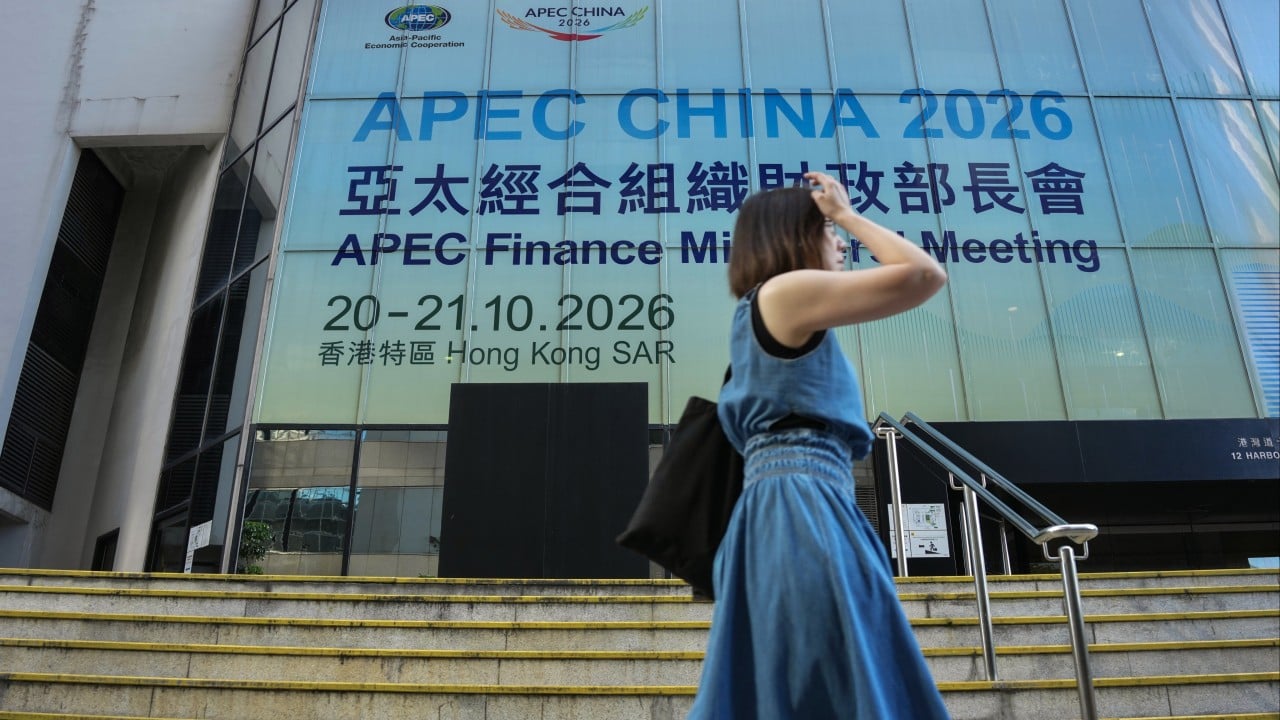
Markets do not sleep, but they do whisper.
In the high-ceilinged trading floors overlooking Victoria Harbour, the sound is rarely the cinematic shouting of old floor-traders. Instead, it is the low, relentless hum of server racks cooling, the click of a mouse, and the quiet calculation of risk across ten thousand computer screens. Every day, trillions of invisible transactions cross borders, searching for safety, for yield, for a home.
Right now, a specific kind of conversation is happening in those quiet rooms. It is about a currency that most Western citizens only ever encounter in textbooks or international news segments: the renminbi, or the Chinese yuan. More specifically, it is about how Hong Kong is quietly positioning itself as the undisputed capital for sovereign borrowers looking to issue debt in that currency.
To understand why this matters, we have to step away from the abstract vocabulary of global finance and look at how money actually behaves.
Imagine you are standing at the docks of a major international port fifty years ago. Crates are stacked sky-high. Ships are burning heavy bunker fuel, waiting for clearance. The currency moving those ships—the lifeblood of global trade—was overwhelmingly the US dollar. For decades, the architecture of international debt has been built on a single foundation. If a government in South America, a municipality in Eastern Europe, or a development bank in Africa needed to borrow money from foreign investors, they did it in dollars, euros, or yen.
Those currencies carried gravity. They carried history. They also carried vulnerability.
When a sovereign nation borrows in a currency it cannot print, it lives at the mercy of another country's central bank. If the Federal Reserve raises interest rates half a world away, the cost of servicing a bridge or a power plant in a developing nation suddenly doubles. It creates a quiet, crushing pressure that plays out in hospital budgets, school supplies, and infrastructure projects that never break ground.
Enter an alternative.
Over the past decade, Beijing has pursued a steady, deliberate internationalization of its currency. It is a slow-motion transformation, the kind that happens over generations rather than election cycles. But currency internationalization requires plumbing. You cannot just declare a currency global; you have to build the pipes, the vaults, the legal frameworks, and the deep liquidity pools where massive amounts of capital can trade safely.
This is where Hong Kong enters the story.
For a long time, Hong Kong’s financial identity has been defined by its unique position as a bridge. It is a city that speaks two languages fluently: the regulatory and legal vernacular of Western common law, and the deep, familial commercial networks of mainland China. It is a territory where capital flows with radical freedom, yet it sits right at the doorstep of the world's second-largest economy.
When financial analysts talk about Hong Kong cementing its role as a yuan bond hub, they are talking about building a magnet. They want sovereign borrowers—foreign governments, global development banks, and international institutions—to look at the renminbi not as a secondary option, but as a primary, reliable vehicle for raising capital.
Consider what happens when a sovereign government decides to issue a bond denominated in yuan, often referred to as Dim Sum bonds when issued offshore in Hong Kong. They are essentially saying to global investors: "Lend us this currency, and we will pay you back in this currency."
For the issuer, it diversifies risk. It reduces dependence on Western financial systems. It aligns their debt profile with the massive trade flows they already share with Asian markets. If a country sells billions of dollars worth of goods to the East, paying off debt in the currency of those transactions makes practical, economic sense. It removes the friction of currency conversion. It simplifies the math.
For investors, these bonds offer a different kind of allure. In a world where traditional bond markets have been battered by inflation and unpredictable monetary tightening, sovereign debt backed by steady economic fundamentals provides an alternative anchor.
Yet, building a hub is not merely a matter of wishing it into existence. It requires trust.
Trust in finance is a fragile commodity. It is built on predictable legal rulings, transparent settlement systems, and the boring, unglamorous mechanics of clearing houses. When a trillion-dollar transaction settles, the participants need absolute certainty that the rules won't shift overnight. Hong Kong’s judicial independence, its sophisticated banking infrastructure, and its deep pool of experienced financial professionals form the invisible scaffolding that makes these massive transactions possible.
We are watching a structural shift in how the world's financial weight is distributed. It is not happening with a dramatic crash or a sudden headline-grabbing announcement. It is happening through bond issuances, regulatory tweaks, bilateral swap agreements, and the steady accumulation of institutional habit.
As more sovereign borrowers test the waters, issuing their debt through Hong Kong's financial corridors, the gravity of the global monetary system changes. The architecture is being quietly remodeled, room by room, bond by bond, in the quiet hum of the harbor city.