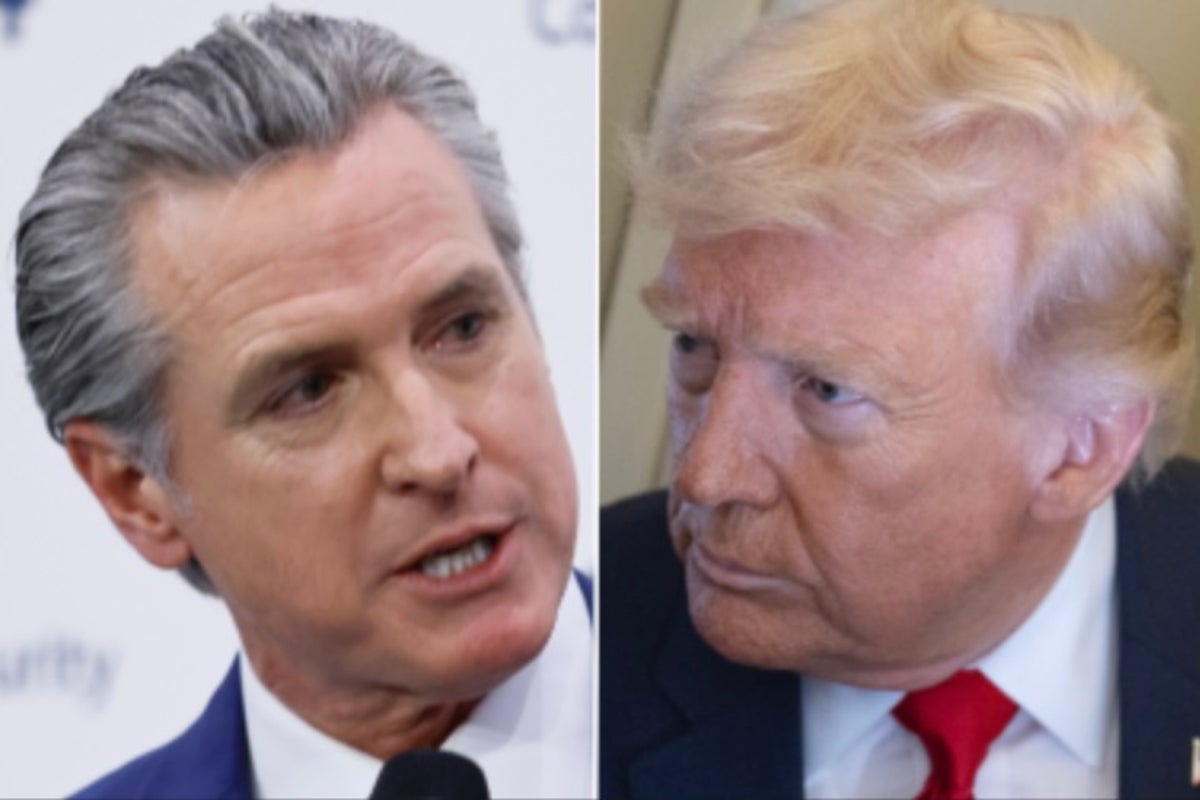
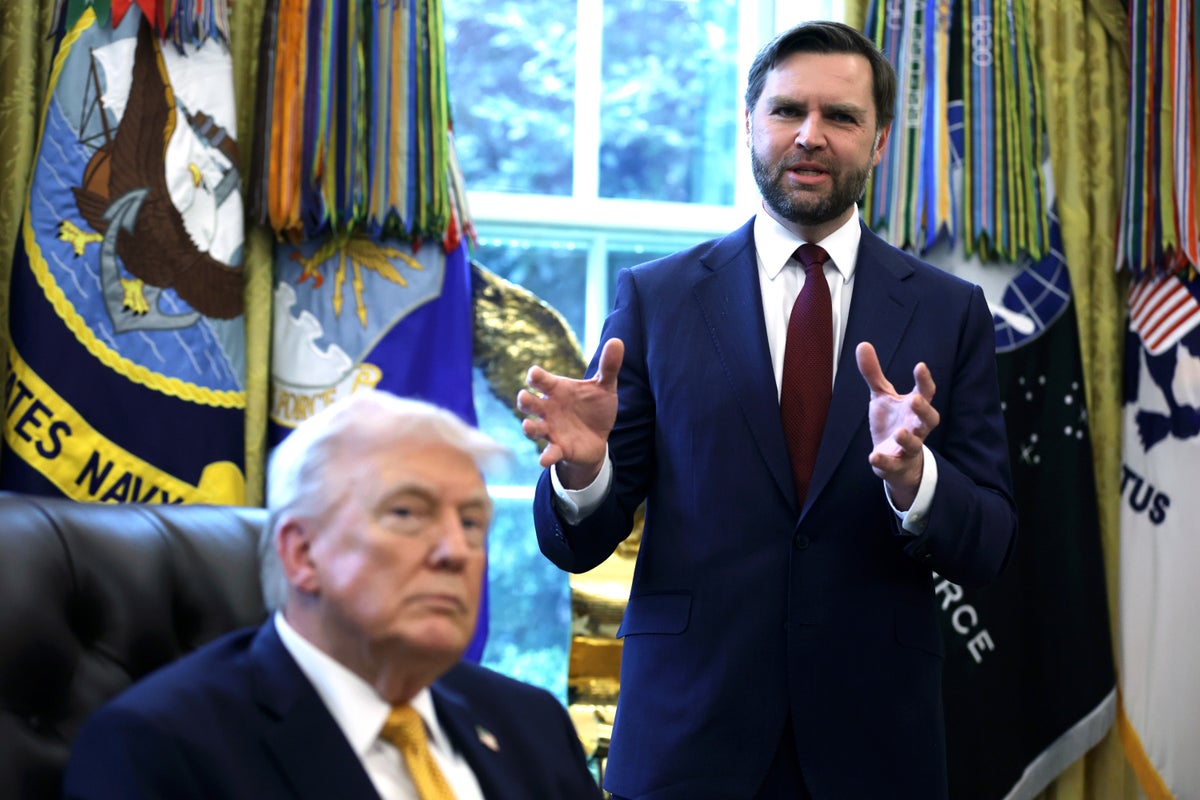
The air in the room changes when the person who thinks they are footing the bill decides they’ve had enough. It isn't just about the numbers on a ledger or the percentage of GDP allocated to defense. It is about the visceral, jagged edge of a perceived lopsided deal. When Donald Trump turned his sights toward Keir Starmer and the British government, the explosion wasn't merely a political disagreement. It was a debt collection notice delivered with the subtlety of a sledgehammer.
"We spend a lot of money on you!"
That sentence, spat out with the characteristic fervor of a Queens developer who feels cheated by a contractor, summarizes a tectonic shift in how the West talks to itself. For decades, the "Special Relationship" was wrapped in the soft velvet of shared history and Churchillian rhetoric. Now, that velvet has been stripped away to reveal a cold, hard transactional reality.
The Ledger of Resentment
Imagine two neighbors sharing a fence. For seventy years, one neighbor has paid for the security system, the landscaping, and the structural repairs, while the other offered "consultation" and a sense of prestige. Suddenly, the primary funder looks at his bank statement and realizes the prestige doesn't pay the mortgage. He doesn't want a thank-you note. He wants a check.
This is the psychological theater currently playing out between Mar-a-Lago and Downing Street. The "terrible" label Trump applied to Starmer isn't just an insult; it’s a classification. In the world of high-stakes leverage, you are either a partner who pays their way or a liability that needs to be cut.
The friction centers on a fundamental disagreement about what security costs. The United States maintains a military presence that spans the globe, a shield that the United Kingdom has leaned under since the end of the Second World War. But the American voter, personified by Trump’s rhetoric, is tired of being the world’s atmospheric pressure valve. They see a Britain that is struggling with its own internal economic ghosts, trying to maintain a global posture on a local budget.
The Invisible Stakes of a Shouting Match
When a world leader explodes in a "furious rant," the tremors are felt far beyond the news cycle. They vibrate through the floors of stock exchanges and the offices of diplomats who have spent their entire careers believing in the permanence of alliances.
The stakes are invisible until they aren't.
Think about the intelligence sharing that prevents a disaster before it hits the headlines. Think about the trade routes kept open by naval cooperation. These are the quiet dividends of a stable relationship. When the rhetoric turns toxic, those dividends are put at risk. Starmer finds himself in a position that is uniquely British and deeply uncomfortable: trying to maintain dignity while standing in the shadow of a giant who is currently pointing at the "Total Due" line on an invoice.
Britain’s defense spending has long been a point of pride, usually hovering around the 2% NATO target. But to a man like Trump, 2% looks like a rounding error when compared to the sheer volume of American capital flowing into European security. He sees a Britain that wants the protection of the penthouse while paying the rent of a studio apartment.
The Human Element of High-Level Friction
Politics is often treated like a game of chess, but it feels more like a family dinner where everyone is one comment away from walking out. Starmer represents a new, cautious, and intensely bureaucratic labor government. He is a man of process, of law, and of measured statements. Trump is the antithesis of process. He is the storm.
When these two worlds collide, the casualty is often the very stability they are supposed to uphold.
Consider the hypothetical mid-level diplomat at the Foreign Office. Let’s call her Sarah. Sarah has spent three years negotiating a minor but vital trade alignment that would help small businesses in Manchester export to the Midwest. She has navigated the red tape, the legal hurdles, and the cultural nuances. Then, a single outburst from the former—and perhaps future—President of the United States renders her work radioactive. No one wants to sign a deal with a partner who is currently being branded as "terrible" by the person who might hold the keys to the White House in a few months.
The human cost is the paralysis of progress. It is the hesitation of an investor who decides to keep their money in a "safer" market because the political weather between London and Washington looks too volatile.
The Myth of the Eternal Alliance
We have been raised on the myth that the bond between the U.S. and the U.K. is written in stone. History books point to the 1940s as the definitive proof of an unbreakable pact. But alliances are not monuments; they are gardens. They require constant, expensive, and often grueling maintenance.
The current anger stems from a feeling that the garden has grown wild.
Trump’s "furious rant" is a symptom of a deeper American exhaustion. It is the sound of a superpower that is no longer interested in being the "policeman of the world" unless the world starts paying for the fuel in the squad car. Starmer, meanwhile, is trying to manage a country that feels it has already given enough, a nation grappling with the long tail of Brexit and a cost-of-living crisis that makes increased military spending feel like a betrayal of the working class.
The Reality of the Bill
The numbers are staggering, but the emotion is what drives the policy. The U.S. defense budget dwarfs that of the next ten countries combined. To an American populist, every dollar spent defending a European border is a dollar not spent on a bridge in Ohio or a school in Florida.
This isn't just about Starmer. It’s about the soul of American foreign policy.
The "rant" wasn't just directed at a person; it was directed at a system. It was a rejection of the idea that the United States owes the world its protection as a matter of course. It was an assertion that the "Special Relationship" is a subscription service, and the subscription has expired.
Starmer's challenge is to prove that Britain is still a value-add. He has to move beyond the history books and demonstrate why a strong U.K. is an essential asset for America, not just a nostalgic luxury. He has to do this while standing on a stage where the other actor is refusing to follow the script.
The tension is real because the consequences are tangible. If the relationship fractures, the world becomes a more expensive and more dangerous place for everyone involved. The cost of a fallout isn't just measured in lost trade; it’s measured in the loss of a shared vision for the future.
We are watching the death of the "diplomatic nicety." We are entering an era where the quiet conversations of the past are being replaced by the loud demands of the present. It is a world where "terrible" is a policy position and "we spend a lot of money on you" is the opening gambit.
The bill is on the table. The only question left is who is going to reach for their wallet first.
In the end, the fury isn't about the words. It's about the realization that the old rules no longer apply, and the new ones are being written in the heat of a moment that no one saw coming. The silence that follows a rant is often more dangerous than the noise itself. It is the silence of a partner realizing they might have to walk the path alone.
The bridge between London and Washington has survived wars, depressions, and scandals. But it has never quite faced a structural stress test like this one. It turns out that the most expensive thing in the world isn't a military or a trade deal. It’s the cost of keeping a friend who has started counting the pennies.